House Republicans are growing alarmed that the prolonged standoff over a major immigration enforcement funding bill could derail their plans for a third party-line spending package, as the party scrambles to secure legislative victories and counter Democratic momentum ahead of the midterms.
GOP lawmakers have been eyeing a budget reconciliation bill—the same maneuver they are using for the immigration measure—that would bundle funding for the Iran military conflict, defense spending, healthcare reform, fraud prevention, and other priorities. The goal is to bypass Democratic opposition and round out their policy agenda before the fall.
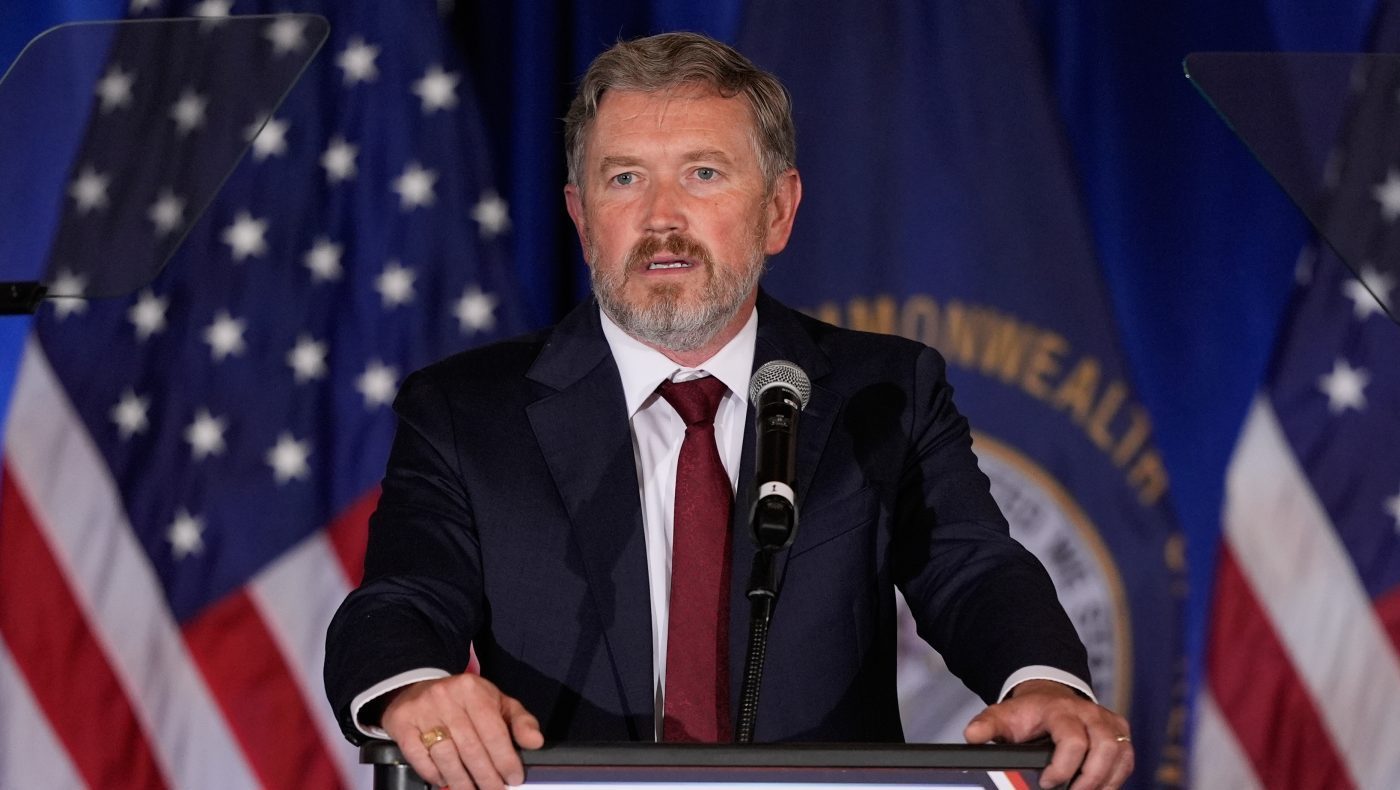
But with the immigration bill stuck in the Senate, House Republicans acknowledge the timeline is slipping. Lawmakers have only two months before the August recess, and finger-pointing is intensifying. Rep. Tim Burchett (R-Tenn.) blamed Senate delays on opposition to President Trump. “They’re trying to dislodge him at all costs,” Burchett said, adding that the holdup “absolutely” threatens the third reconciliation bill.
Rep. Byron Donalds (R-Fla.) called it “possible” the package could stall, questioning what the Senate is doing. “There’s only so many legislative days,” Donalds said. “When it comes time to getting that core piece of business done, we get that done.” Rep. Buddy Carter (R-Ga.) echoed the concern, saying “there’s a time crunch.”
The immigration bill was shelved after Senate Republicans failed to agree on a nearly $1.8 billion “anti-weaponization” fund proposed by the Trump administration, which would compensate people who say they were unfairly investigated under the Biden Justice Department. Disagreements also erupted over a $1 billion provision for a new White House ballroom and Secret Service security, which the Senate parliamentarian ruled out.
When lawmakers return from a one-week recess in June, they face a packed calendar: the immigration package, a contentious debate over renewing warrantless surveillance powers under FISA, and efforts to pass a farm bill and housing bill. That leaves little room to craft a third reconciliation framework.
Adding urgency, House Appropriations Chair Tom Cole (R-Okla.) told The Hill the Pentagon’s funding for the Iran operation could run out by August. The conflict has already cost $25 billion, according to the acting Pentagon CFO. Rep. Eric Burlison (R-Mo.) said he would “like to see” Iran funding included in a reconciliation bill to allow for offsetting savings from waste and fraud.
House Budget Chair Jodey Arrington (R-Texas) insisted Republicans are making “good progress” on a third bill, saying “we don’t need permission from anybody in the Senate.” But he acknowledged they need consensus first. “We’re talking about 3.0 while we wait for 2.0,” he said.
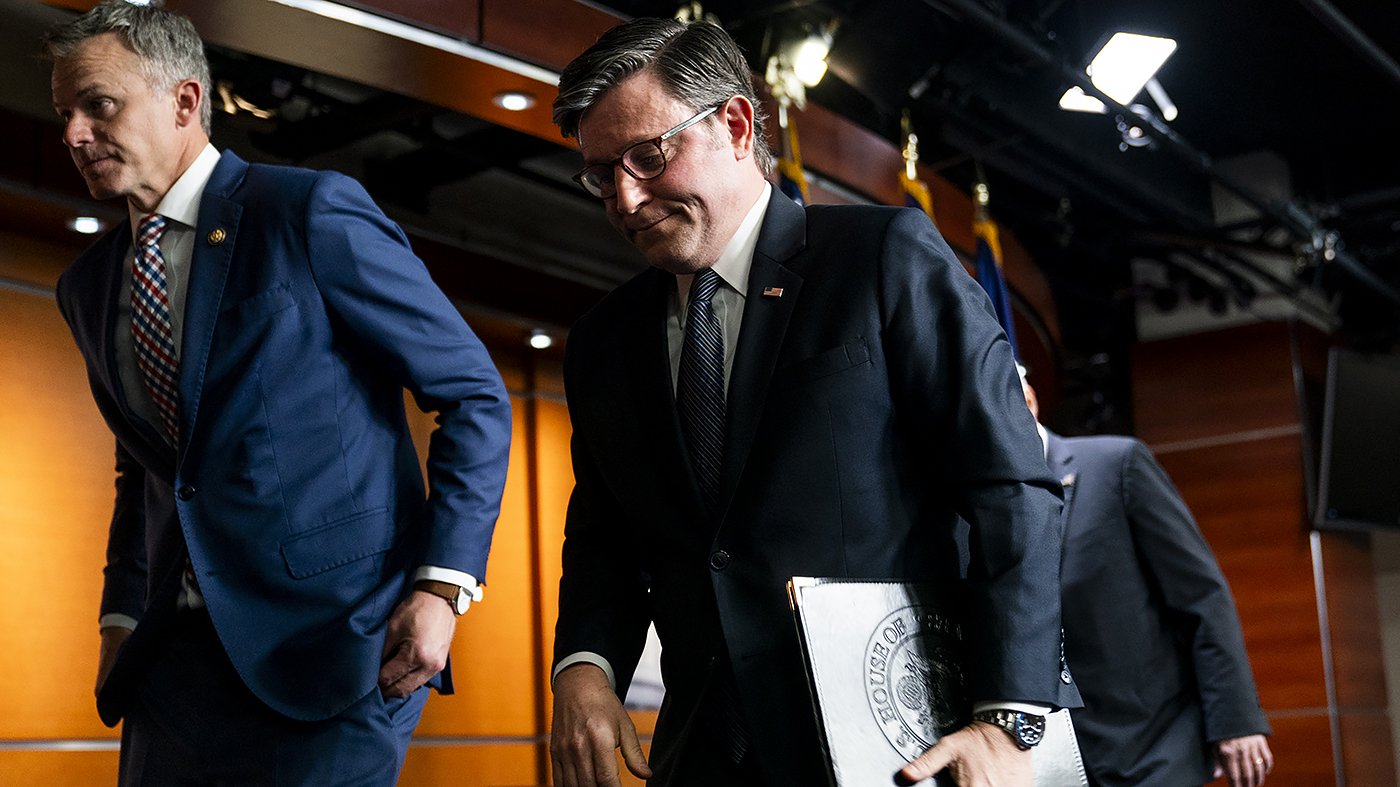
The narrow GOP majority in the House makes any reconciliation push a heavy lift. Rep. Mario Diaz-Balart (R-Fla.) warned, “It’s not a simple matter. Our margins are as tight as they can be.” Speaker Mike Johnson can afford only a few defections, and rising gas prices tied to the Iran conflict are already threatening GOP midterm hopes. Meanwhile, the primary loss of Sen. Bill Cassidy in Louisiana has sent a stark warning about the political cost of defying Trump, adding to the pressure on Senate Republicans to fall in line.