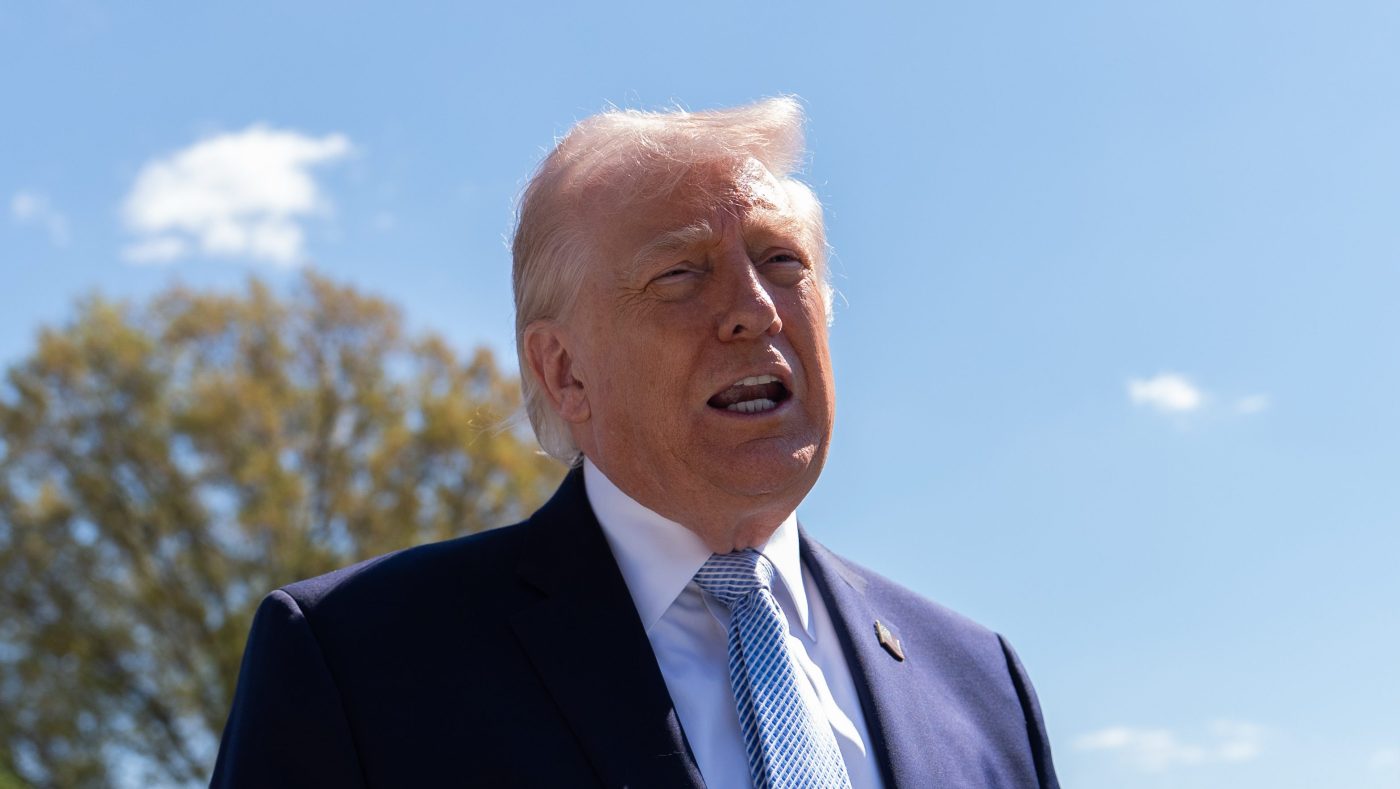
Former President Donald Trump declared Thursday that Iran is violating the terms of the fragile ceasefire with the United States by impeding the flow of oil through the critical Strait of Hormuz. In posts on his Truth Social platform, Trump characterized Iran's actions as a breach of their recent agreement.
Allegations of Bad Faith
Trump asserted that Iran is performing poorly and dishonorably in permitting oil transit through the strategic waterway. “That is not the agreement we have!” he added, directly challenging Tehran's compliance. He issued a separate warning regarding reports that Iran is charging fees for passage, stating, “There are reports that Iran is charging fees to tankers going through the Hormuz Strait — They better not be and, if they are, they better stop now!”
The accusations arrive as the two-week-old ceasefire faces mounting strain, particularly following Israel's military strike on Lebanon earlier this week. Trump had previously stated that the truce was contingent on the strait's reopening.
Iran's Reported Conditions
Contrary to the expected full reopening, multiple international reports indicate Iran is moving to assert control over the channel. According to The Wall Street Journal, Iran informed mediators it would limit passage to approximately twelve ships daily during the ceasefire and collect fees from them. A senior Iranian official told Reuters the strait could open in a “limited” manner under Iran's control by Friday, ahead of planned discussions with U.S. officials in Pakistan on Saturday.
Further detail emerged from the Iranian Oil, Gas and Petrochemical Products Exporters’ Union, whose government-aligned spokesperson told the Financial Times that a toll of one dollar per barrel of oil—payable in cryptocurrency—would be imposed on vessels.
Strategic and Political Implications
The Strait of Hormuz is a linchpin for global energy markets, and its effective closure has been a central feature of the U.S.-Iran conflict. Iran's apparent imposition of restrictions and tolls represents a significant point of contention that threatens to derail diplomatic efforts. This development could grant Iran a persistent strategic and financial edge in the region despite earlier military setbacks.
Trump's public broadside complicates the already delicate negotiations scheduled for this weekend. The ceasefire itself was secured only after Trump issued a stark ultimatum to Iran, threatening that “a whole civilization will die” if his demands were not met by a Tuesday deadline. That earlier threat prompted immediate calls from Democratic lawmakers for his removal from office, highlighting the domestic political volatility surrounding his foreign policy maneuvers.
The situation also exposes ongoing tensions within the U.S. political landscape, where some Republicans have faced criticism for their response to the administration's approach. As the weekend talks approach, the dispute over the strait's status emerges as the first major test of the ceasefire's durability and the prospects for a more lasting de-escalation.