Former CENTCOM Commander Outlines Iran's Paradoxical Position
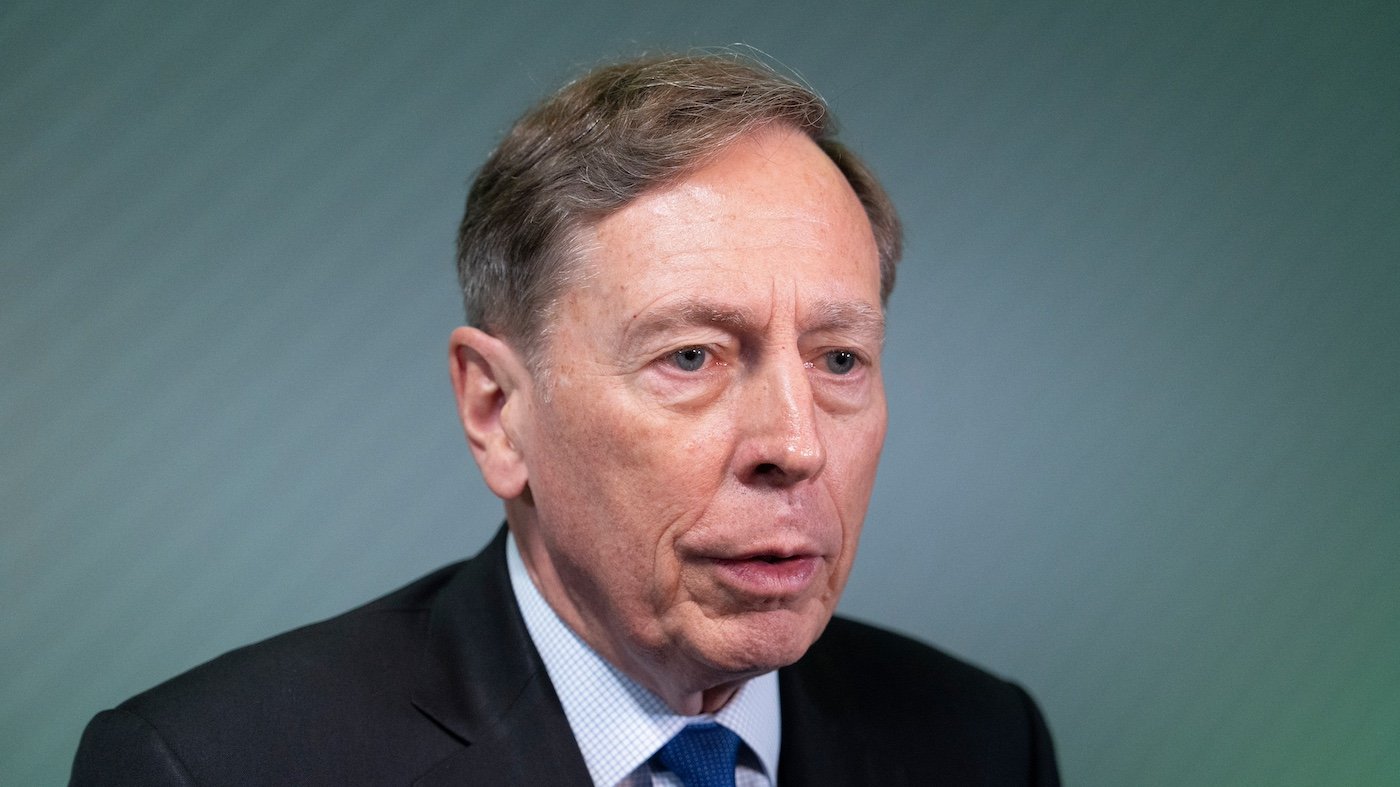
Retired General David Petraeus, who once led U.S. Central Command, has framed a critical dilemma regarding Iran's future following its recent hostilities with the United States and Israel. In an interview with CNN, Petraeus identified what he called a "paradoxical question" that can only be resolved by the conflict's final outcome: whether Tehran will finish this period militarily diminished yet potentially more powerful in strategic terms.
Military Losses Versus Strategic Gains
Petraeus stated unequivocally that coordinated American and Israeli operations have degraded Iran's military capabilities. "There is no question" that its forces have sustained significant damage, he noted. However, he immediately pivoted to the more complex strategic calculus, asking whether Iran might "somehow, again paradoxically, emerge from this militarily weakened but perhaps actually strategically strengthened."
The retired general pinpointed control of the Strait of Hormuz as the decisive factor in this equation. The narrow waterway has become a central battleground, with Iranian retaliatory strikes on U.S. assets and regional energy infrastructure bringing maritime traffic to a virtual standstill. Under normal circumstances, approximately one-fifth of the world's daily oil consumption transits this corridor. The effective blockade has already triggered a spike in global energy prices.
Asserting Control Through Disruption
Petraeus argued that by "disrupting traffic," Iran demonstrates de facto command over this crucial trade artery. He cited an estimated backlog of 700 vessels idling in the Gulf, with shipping companies awaiting "absolute confidence" before resuming passages. Traffic only began a tentative restart after President Trump announced a two-week pause in hostilities earlier this week.
The emerging resolution, backed by Trump, involves a novel Iranian proposal: a transit toll of cryptocurrency equivalent to one dollar per barrel of oil carried. Petraeus warned of the substantial financial and strategic implications of this scheme. "If it's $200 million per vessel—which is reportedly what some companies have been paying to transit—and you multiply that times 100 or more ships per day, that is a very substantial amount of hard currency to enable Iran to repair the extraordinary damage that has been done," he explained.
This potential revenue stream could allow Tehran to rapidly reconstitute its forces while cementing a new norm of Iranian authority over the strait. Such an outcome would represent a significant strategic victory, offsetting tactical military losses. The proposal has drawn sharp criticism from some quarters, including from House Armed Services Chair Adam Smith, who has condemned the financial and strategic recklessness of the conflict.
The situation underscores the complex geopolitical stakes. While U.S. and Israeli strikes have achieved measurable military effects, the ultimate strategic balance may hinge on this contested waterway. Other retired officers have voiced strong concerns about the administration's approach; for instance, Retired General Anderson has previously condemned Trump's threats toward Iran as incompetent and warned of potential war crimes.
As the temporary ceasefire holds, the international community watches to see if a lasting settlement emerges. The outcome will determine whether Iran pays a lasting price for the confrontation or secures a position of enhanced influence and revenue at the world's most critical energy chokepoint. Petraeus's analysis suggests the latter remains a distinct possibility, presenting a challenging strategic paradox for Washington and its allies.