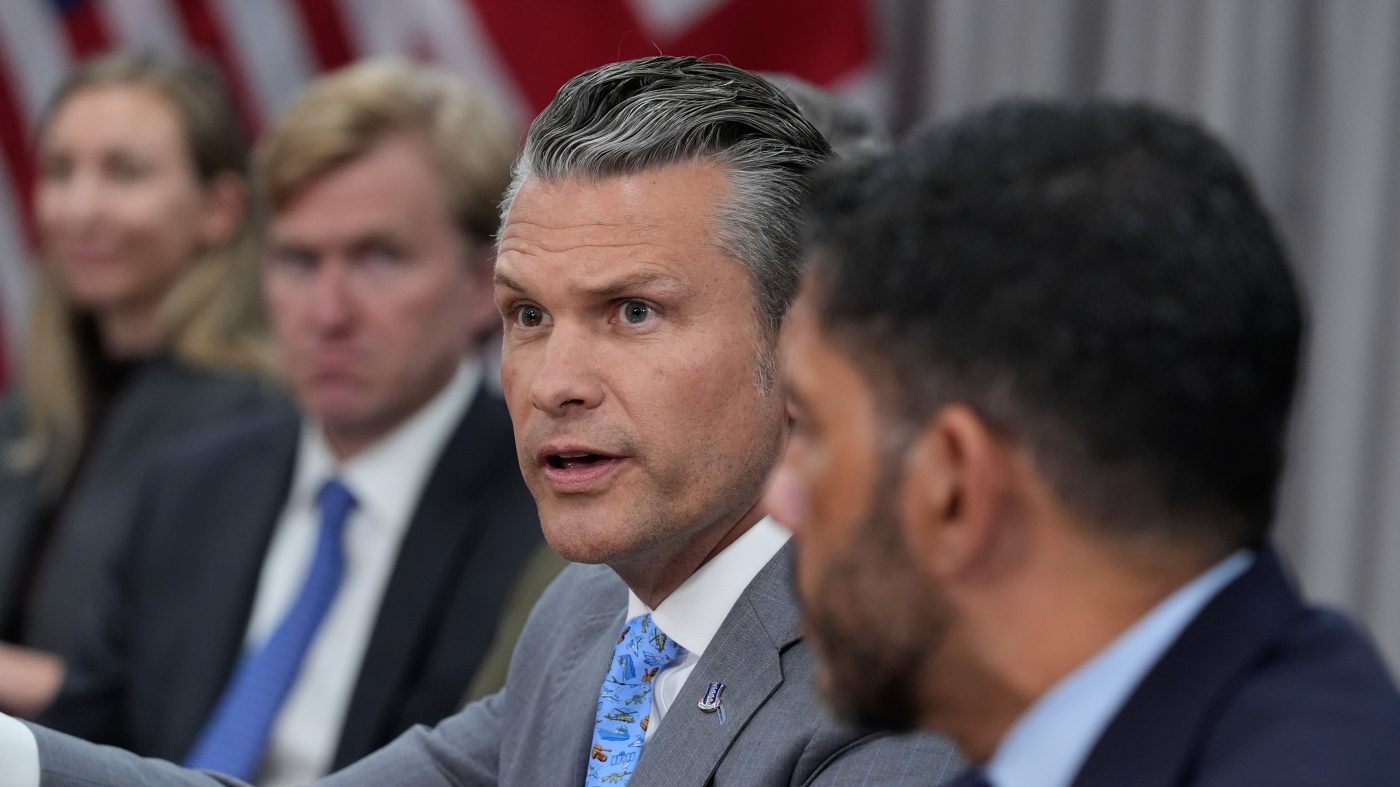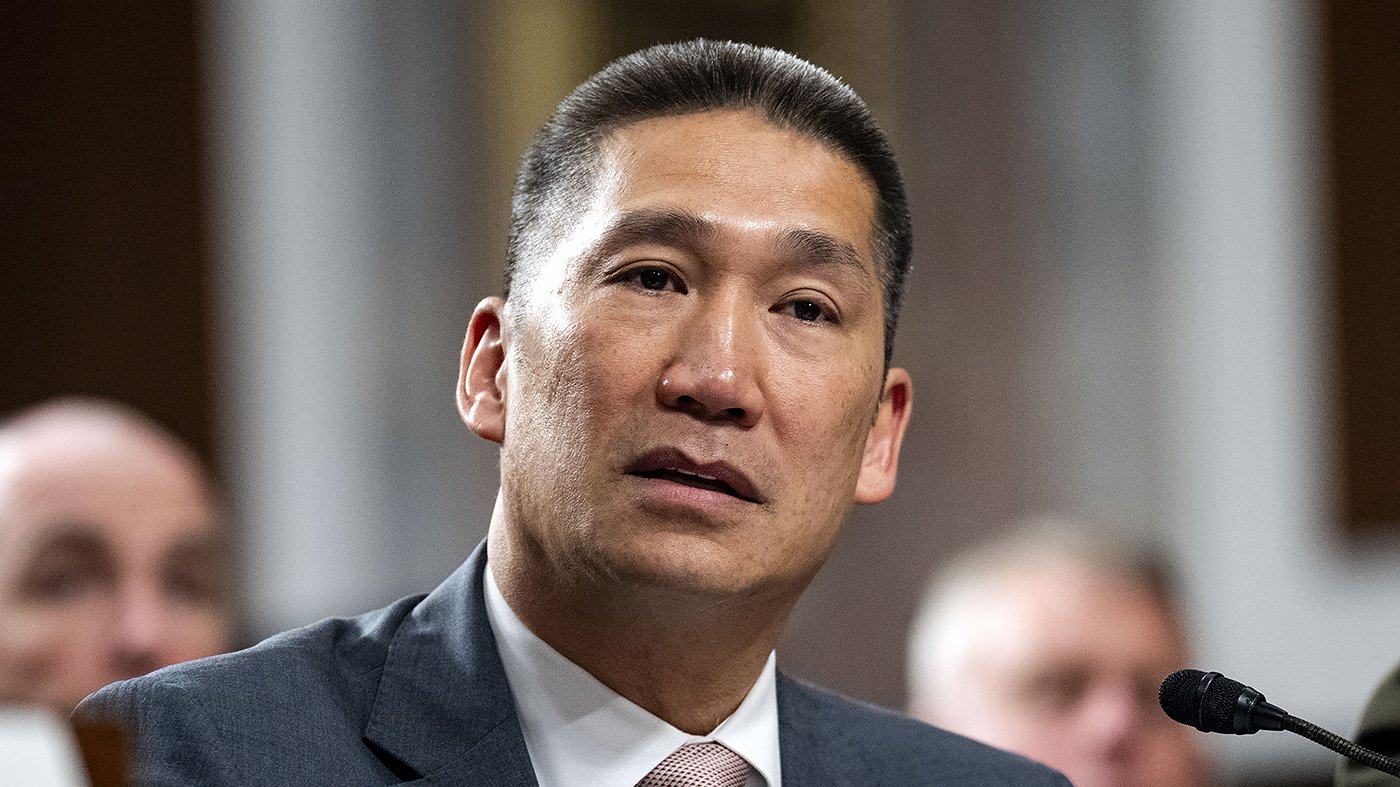
Acting Navy Secretary Hung Cao directly contradicted President Trump and Defense Secretary Pete Hegseth this week, telling a Senate panel that the Pentagon halted a $14 billion arms sale to Taiwan because of a munitions stockpile review linked to the ongoing war with Iran—not as a diplomatic bargaining tool with Beijing.
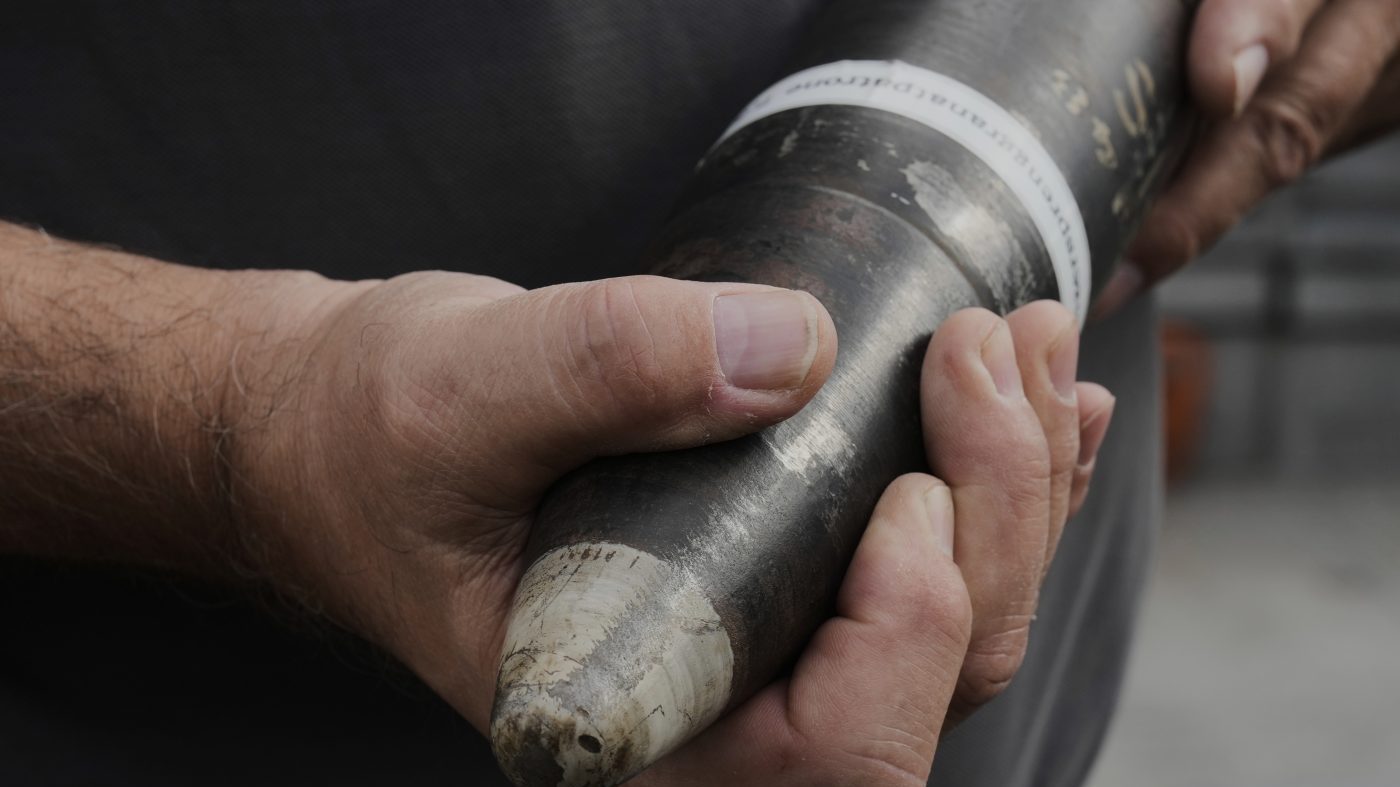
During a Senate Appropriations subcommittee hearing on Thursday, Cao acknowledged that the U.S. possesses “plenty” of missiles and interceptors but said the administration is delaying some foreign military sales to “make sure we have the munitions we need for Epic Fury,” the official designation for Trump’s military campaign against Iran. The admission undercuts Trump’s recent claims that he might withhold the Taiwan package as a “negotiating chip” with Chinese President Xi Jinping.
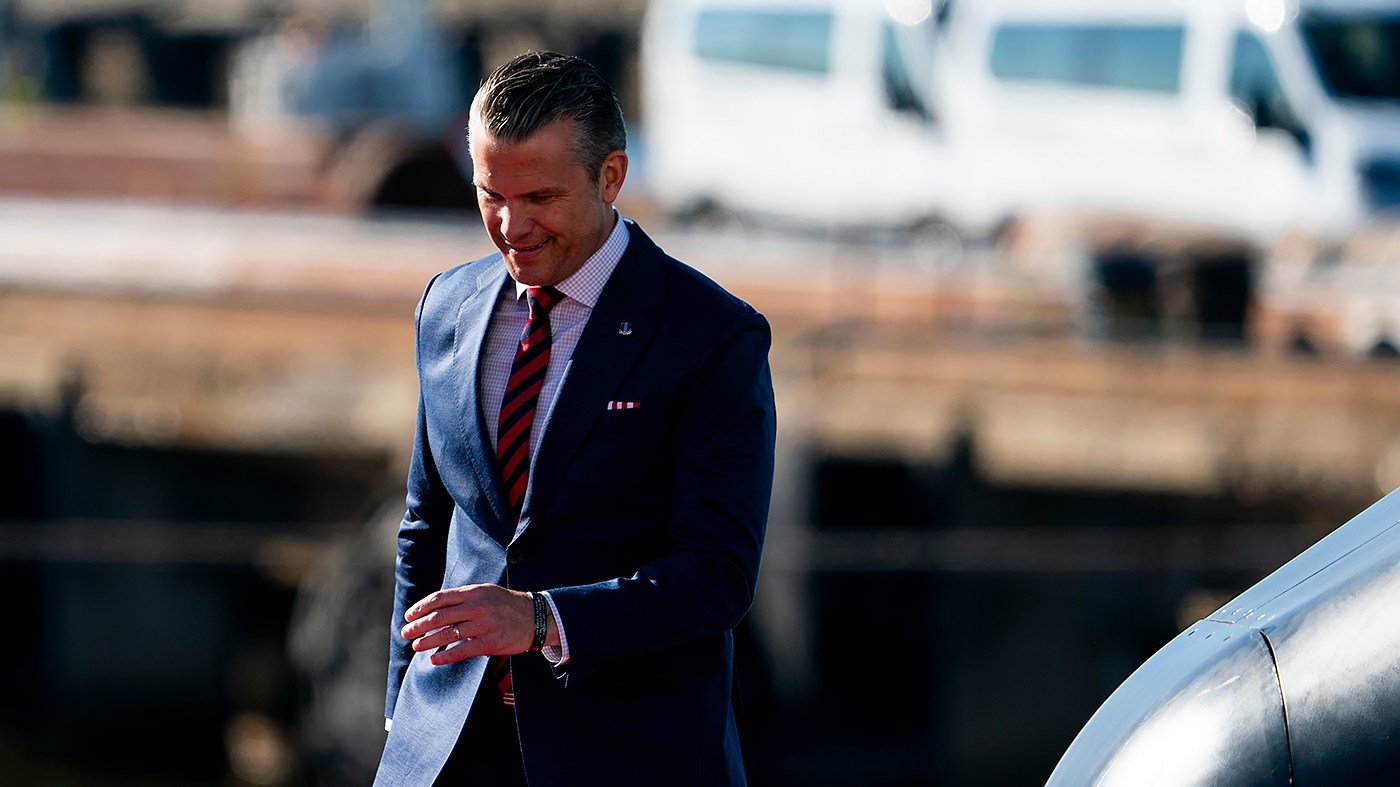
The discrepancy highlights a growing rift between the White House’s public posture and the Pentagon’s operational reality. Trump told reporters after his trip to China last week that he discussed the arms deal with Xi “in great detail,” adding, “We’re going to see what happens. I may do it; I may not do it.” He later told Fox News that arms sales to Taiwan are “a very good negotiating chip.” But Cao’s testimony suggests the delay is driven by munitions shortages from the Iran conflict, not strategic ambiguity.
The timing of the pause has fueled criticism from Republican defense hawks. Senator Mitch McConnell (R-Ky.) called the delay “distressing” during the hearing, pressing Cao on whether the administration is prioritizing Iran over Taiwan. Cao replied that the pause is temporary, saying, “We’re just making sure we have everything, but then the foreign military sales will continue when the administration deems necessary.”
The administration’s handling of the arms sale also complicates its relationship with Taipei. China, which claims Taiwan as part of its territory, has threatened military force to prevent the island’s formal independence and has consistently opposed U.S. weapons sales. A separate $11 billion arms package approved in December has yet to move forward, further straining ties. The Cato Institute’s Evan Sankey noted that the munitions shortage conveniently aligns with Trump’s diplomatic goals. “It is both things,” Sankey said. “If that munitions problem dovetails with President Trump’s diplomatic preferences regarding China, that’s kind of like a happy coincidence.”
The Iran war, which began on February 28 and has been under a tenuous ceasefire since April, has consumed thousands of U.S. missiles. Washington has also delayed a Tomahawk missile shipment to Japan and an arms sale to South Korea, according to analysts. The Pentagon’s strain has forced the administration to balance rebuilding stockpiles with maintaining diplomatic leverage.
During the same hearing, Senator John Kennedy (R-La.) pressed Chief of Naval Operations Admiral Daryl Caudle on the Taiwan sale, asking why the U.S. shouldn’t simply proceed. “President Xi has telegraphed his anxiety, his insecurity… We want leverage, we want stability, not a war. Why don’t we just go ahead and sell the weapons to Taiwan that Taiwan wants?” Kennedy demanded. Caudle declined to take a position, calling such deals “very complex” and requiring “a full calculus of all the levers of power that are being negotiated and worked.”
Analysts warn that Beijing may use the arms sale as a condition for Xi’s planned September visit to Washington. The American Enterprise Institute’s Zack Cooper said, “The Chinese might condition Xi Jinping’s trip to the U.S. planned for September on Trump not providing arms.” He also noted that a scheduled July visit by Defense Secretary Pete Hegseth to China could hinge on the arms package being scaled back or shelved.
The dispute underscores the broader challenges facing the Trump administration as it navigates multiple foreign policy crises. The White House has insisted munitions stockpiles are not strained, but Cao’s testimony suggests otherwise. For now, the $14 billion Taiwan deal remains in limbo, caught between the Pentagon’s war needs and the president’s diplomatic maneuvering.