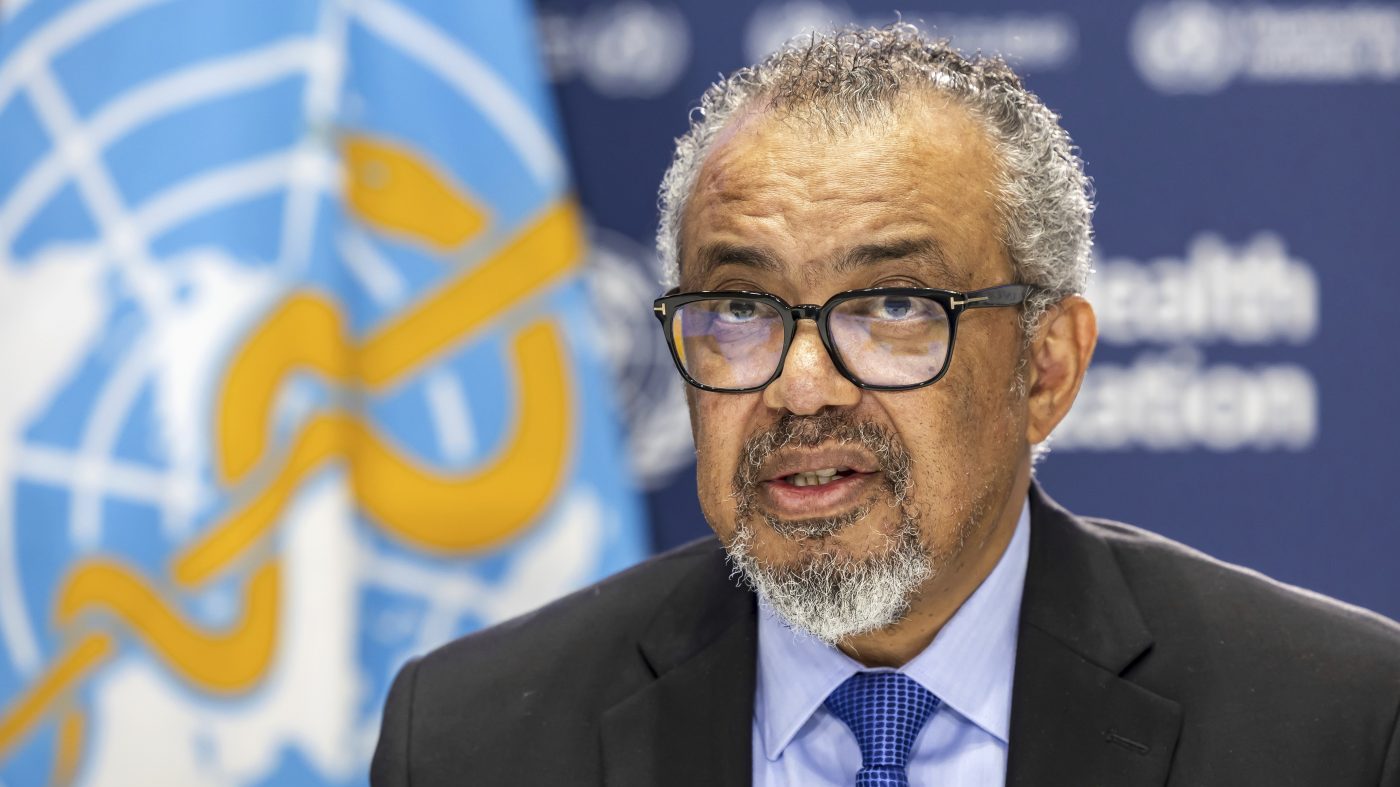
World Health Organization Director-General Tedros Adhanom Ghebreyesus confirmed on Sunday that the hantavirus outbreak linked to a cruise ship in the South Atlantic is currently under control, with no additional deaths reported since early May. The WHO has documented 12 cases and three fatalities, all believed to stem from travelers infected in South America who boarded the MV Hondius earlier this month.
“All passengers and crew remain in quarantine and under close monitoring to ensure they receive care if needed,” Tedros wrote on the social platform X. “The situation is stable for now. We continue to remain vigilant and in close contact with all relevant governments.”

The update comes after Health and Human Services Secretary Robert F. Kennedy Jr. signed a targeted Public Readiness and Emergency Preparedness Act declaration on Friday. Kennedy stated the measure is designed “to support the development and deployment of medical countermeasures related to the Andes virus” strain of hantavirus. “This action helps remove barriers to research and response efforts while we continue monitoring the recent outbreak linked to the South Atlantic cruise ship,” Kennedy said in a statement posted to social media. “HHS is taking this situation seriously and will continue working to protect public health and support the safe development of potential treatments and countermeasures.”
Argentina’s Ministry of Health reported that a Dutch couple on a bird-watching tour may have been exposed to infected rats at a garbage dump. That couple, along with a German national, contracted the Andes strain and died. Argentine officials have dispatched a team of scientific experts to investigate the outbreak’s origin, as the MV Hondius departed the country on April 1, according to the Associated Press.
Seventeen Americans and one British national exposed to hantavirus on the cruise were quarantined in Nebraska or Georgia while health officials monitored them for symptoms. Most have not shown signs of illness, though one person tested positive without exhibiting symptoms, and another had mild symptoms but did not test positive. The Centers for Disease Control and Prevention said earlier this month that no cases of the Andes strain have been detected in the United States.
Health officials have repeatedly stressed that this outbreak does not resemble the early days of the COVID-19 pandemic, highlighting differences in transmission and incubation periods. However, the WHO has declared a separate public health emergency of international concern over an Ebola Bundibugyo virus disease outbreak in the Democratic Republic of the Congo, where more than 500 suspected cases have been reported. Ebola Resurgence in Central Africa Triggers Global Health Emergency and Travel Curbs details the escalating crisis there.
While the hantavirus situation remains stable, the concurrent Ebola emergency underscores the ongoing challenge of infectious disease outbreaks. The WHO’s declaration for the Ebola outbreak, as WHO Chief Warns Violence Impedes Ebola Response in Congo as Cases Rise notes, has been complicated by security concerns that hinder response efforts.
For now, authorities are focused on monitoring the quarantined individuals and advancing countermeasures against the Andes virus. The PREP Act declaration provides legal protections and support for research, a step Kennedy described as necessary to ensure a swift and safe response.