The reappearance of Ebola in central Africa has set off alarm bells worldwide, with health authorities imposing travel restrictions and issuing urgent warnings as an outbreak of the uncommon Bundibugyo strain gains momentum. The World Health Organization escalated its response last week by declaring a global public health emergency, as reported cases climb in both the Democratic Republic of Congo and Uganda.
According to the Congolese health ministry, 83 confirmed infections and nine deaths had been recorded as of May 23, while the CDC notes an additional 176 suspected cases and 176 suspected fatalities. Across the border, Ugandan officials have confirmed five cases and one death. WHO Director-General Tedros Adhanom Ghebreyesus described Uganda's situation as “stable” but labeled Congo's outbreak “deeply worrisome” and “spreading rapidly.” The agency now rates the epidemic risk as very high within Congo, high regionally, and low globally.
Epicenter and Spread
The outbreak's earliest known link is a nurse in Bunia, the capital of Ituri Province, who fell ill after treating patients with malaria-like symptoms. However, health officials believe the virus had been circulating undetected for weeks prior. In Mongbwalu, a mining hub, healthcare workers reported clusters of severe illness and high death rates, formally alerting the WHO on May 5. Laboratory tests in Kinshasa confirmed Bundibugyo virus disease in eight samples, prompting Congo to declare its 17th Ebola outbreak on May 15.
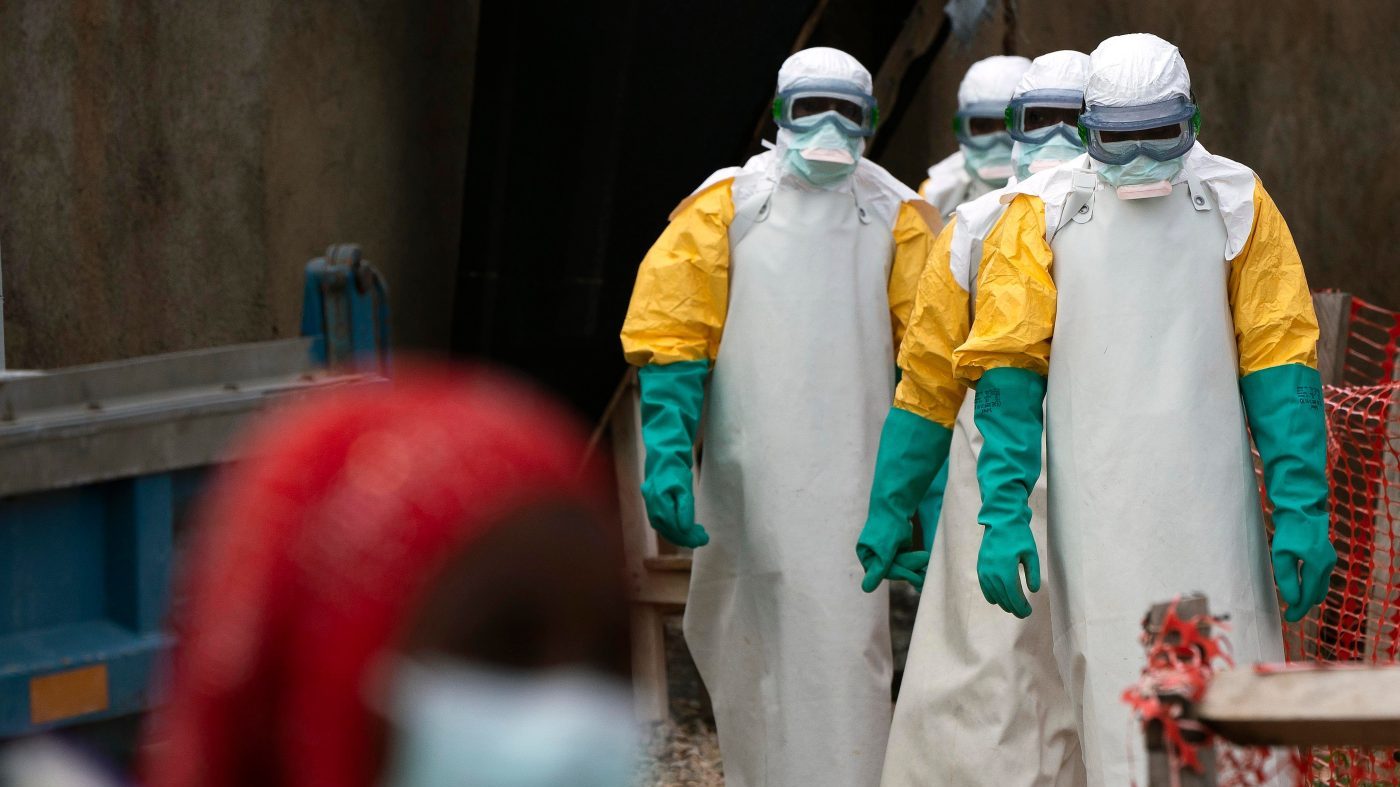
The virus quickly moved through Ituri's health zones—Rwampara, Bunia, and Nyankunde—and by mid-May had expanded south into North and South Kivu provinces. Uganda declared its own outbreak on the same day after an elderly Congolese man died at a private hospital in Kampala. The outbreak is concentrated in one of the world's most remote and vulnerable regions, where healthcare workers report being underprotected and undertrained, according to the Associated Press.
Experts are sounding alarms over the “scale and speed” of the epidemic, noting its encroachment into urban areas and significant population movement. Tedros warned that “violence and insecurity” are hampering response efforts, particularly after fires erupted at an Ebola treatment center in Rwampara when locals were prevented from retrieving a body. A Doctors Without Borders tent used for treating patients in eastern Congo was also set ablaze, causing panic and the escape of 18 suspected cases into the community, said Dr. Richard Lokudi, director of Mongbwalu General Reference Hospital.
There are rising fears that the outbreak could spill beyond Congo and Uganda. Former CDC Director Robert Redfield warned Wednesday that the virus could “leak” into Tanzania, southern Sudan, and possibly Rwanda, raising the specter of a “very significant pandemic.” In response, the CDC has expanded Ebola screening to Atlanta Airport as a precautionary measure.
Understanding the Bundibugyo Strain
Bundibugyo is one of four Ebola strains that cause illness in humans, first identified in 2007 in western Uganda's mountainous region. It leads to Bundibugyo virus disease, a rare and often fatal hemorrhagic fever. The WHO notes it is zoonotic, likely carried by fruit bats, with human infection occurring through contact with infected wildlife's bodily fluids. Person-to-person transmission happens via direct contact with fluids like urine, saliva, feces, vomit, breast milk, or sweat, or contaminated surfaces. The risk spikes in healthcare settings and during unsafe burials, as deceased individuals remain highly contagious.
The incubation period ranges from two to 21 days, with most developing symptoms within four to 10 days. Early signs—fever, fatigue, muscle pain, headache, sore throat—mimic malaria or flu, complicating detection. The virus's death rate is 30 to 50 percent, and there is no approved vaccine, leaving supportive care as the only treatment. Harvard immunology professor Yonatan Grad noted that the Zaire Ebola vaccine might offer some cross-protection, but he called the evidence preliminary and cautioned against overreliance, saying, “It's a big question whether the Zaire vaccine will be deployed in the hopes of helping quell the current outbreak.”
The CDC maintains that the risk of spread to the United States remains low, but the agency is monitoring the situation closely. The Trump administration has tightened Ebola screening, now covering green card holders from the Congo region, as part of broader containment efforts. Meanwhile, the WHO chief has warned that violence continues to impede the Ebola response in Congo as cases rise, underscoring the complex challenges facing health officials on the ground.