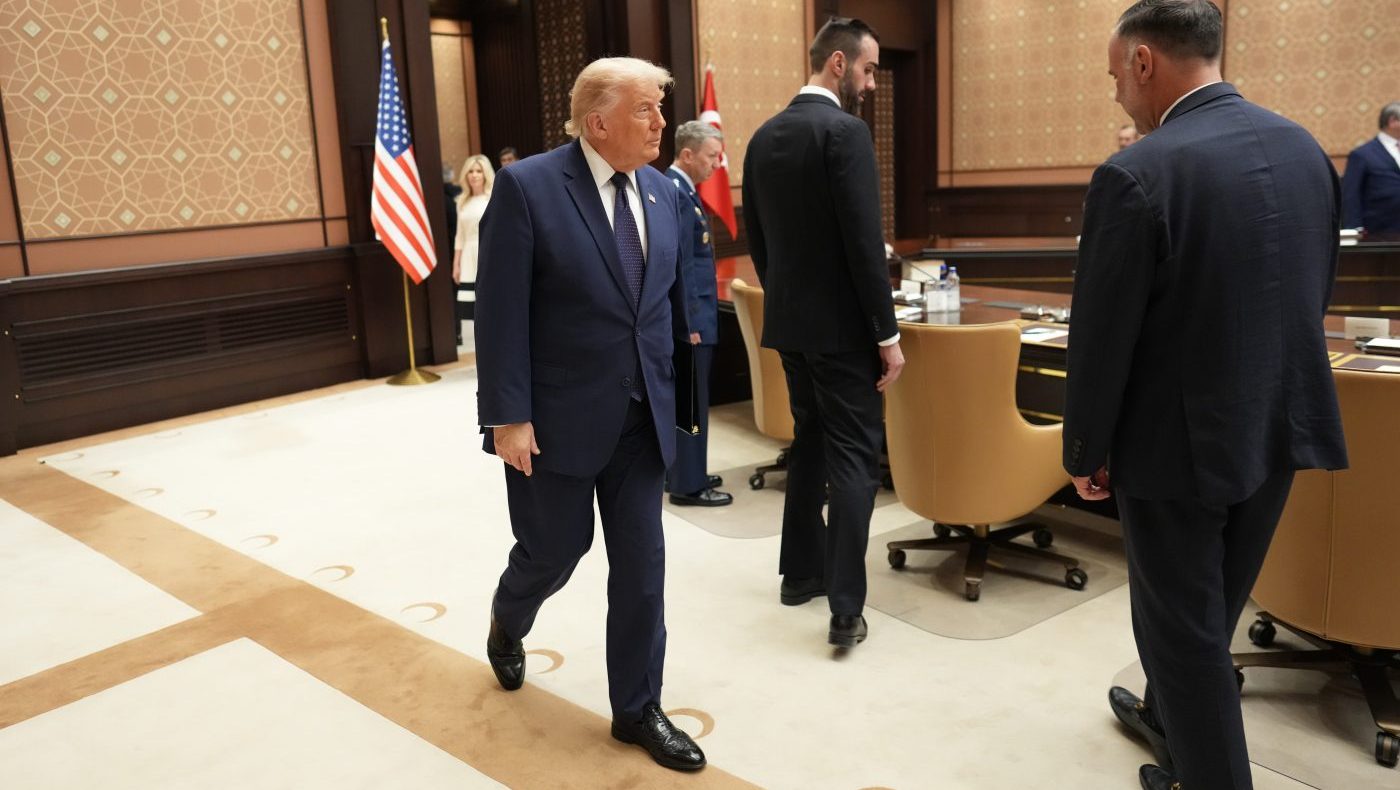
President Trump wasted little time in reopening a diplomatic sore spot with NATO allies upon arriving in Turkey for the alliance's annual summit, renewing his push for the United States to take control of Greenland. During a bilateral meeting with Turkish President Recep Tayyip Erdoğan, Trump argued that the semi-autonomous Danish territory is a strategic necessity for countering Russian and Chinese influence in the Arctic, and accused Copenhagen of failing to invest in the region.
“Greenland doesn’t help Denmark, Denmark doesn’t spend money to really help Greenland, but it’s an important part for the United States,” Trump said. He insisted that the U.S. should control the island, not Denmark, and suggested that Washington's financial contributions to European defense give it leverage. “When they wouldn’t go along with it, and with all the money we spend to help them with Russia — we don’t have to spend any money,” he added, warning that he could pull U.S. troops out of Europe entirely.
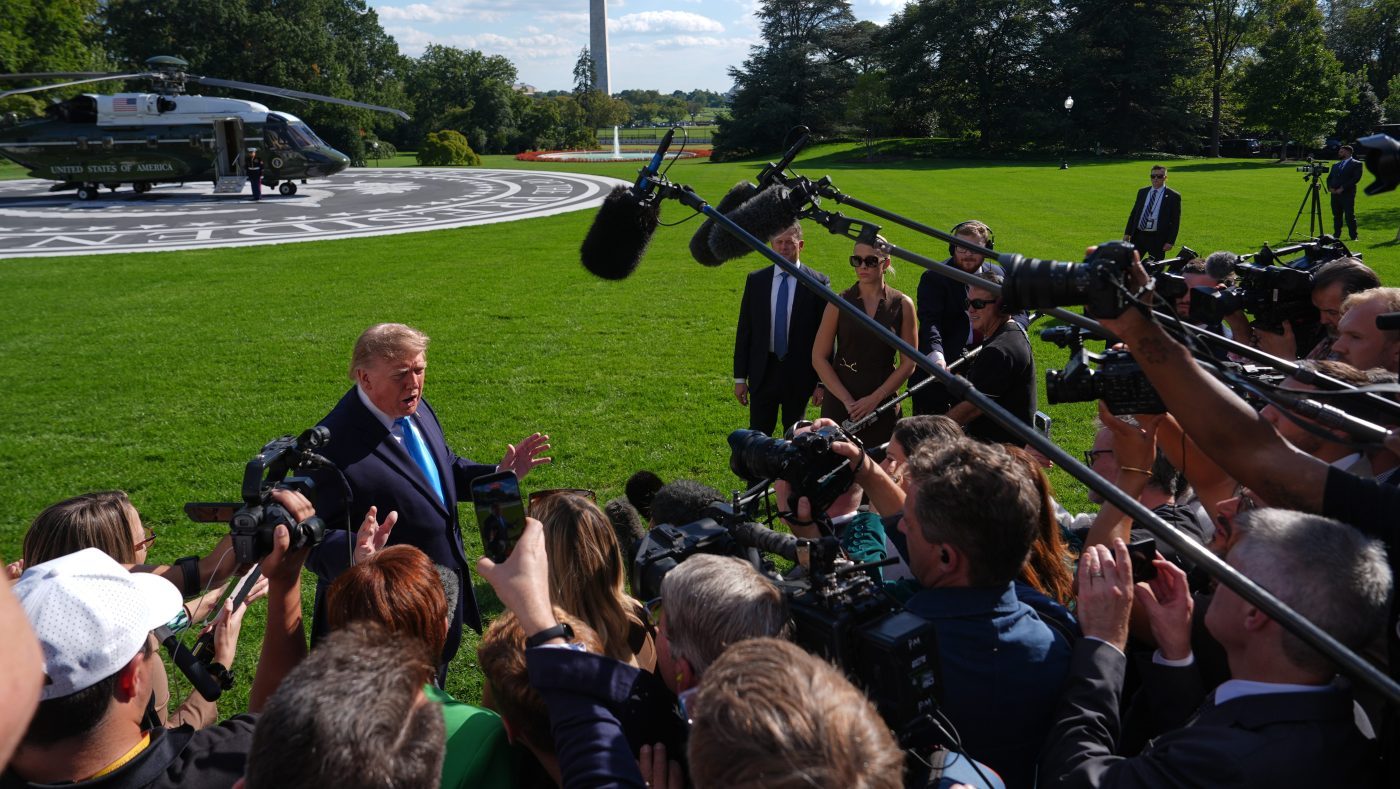
The remarks marked a sharp return to a controversy that had strained transatlantic relations earlier this year. Trump first floated the idea of purchasing Greenland during his first term, but intensified his push after returning to office, even refusing to rule out military force to seize the territory. In a speech at the World Economic Forum in Davos in January, he shifted tone, claiming that he and NATO Secretary General Mark Rutte had developed a “framework of a future deal with respect to Greenland.”
Danish Prime Minister Mette Frederiksen, also in Ankara for the summit, quickly dismissed the renewed overture. “It is a well-known position of the United States that it wants to own and take over Greenland. I hope that it is equally well known everywhere that this is not going to happen,” she told reporters, according to Reuters. Greenlandic Foreign Minister Múte Egede took to Facebook to assert the territory's self-determination, writing, “That’s how it has always been. And that’s how it always will be.”
Trump acknowledged that the Greenland issue had damaged his relationship with NATO, but showed no sign of backing down. He also took aim at broader European policies, warning that the continent faces existential threats from uncontrolled immigration and energy mismanagement. “They better be careful. With immigration and energy, if they’re not careful with those two things, you’re not going to have a Europe anymore,” he said.
The push comes as the Trump administration continues low-key talks with both Greenland and Denmark, according to Secretary of State Marco Rubio, who told a House Foreign Affairs Committee hearing in June that the discussions were “in a good place.” Critics, however, view the acquisition effort as a distraction from pressing alliance issues, including defense burden-sharing and the war in Ukraine. The episode echoes earlier tensions, such as when Trump dismissed F-35 concerns with Turkey and vowed to lift sanctions, a move that also rattled NATO allies.
Trump’s Greenland gambit has also drawn scrutiny for its timing, coming as the Supreme Court's recent partisan term has bolstered presidential power, according to critics. Domestically, the administration has faced backlash over other controversial policies, including a White House report slamming the Smithsonian for alleged political activism, part of a broader culture war offensive.
With NATO leaders gathered in Turkey, the Greenland dispute threatens to overshadow the summit’s official agenda, highlighting the persistent fractures within the alliance under Trump’s leadership. Whether the administration can translate its Arctic ambitions into a tangible deal remains uncertain, but the president’s latest remarks make clear he is not ready to let the issue go.