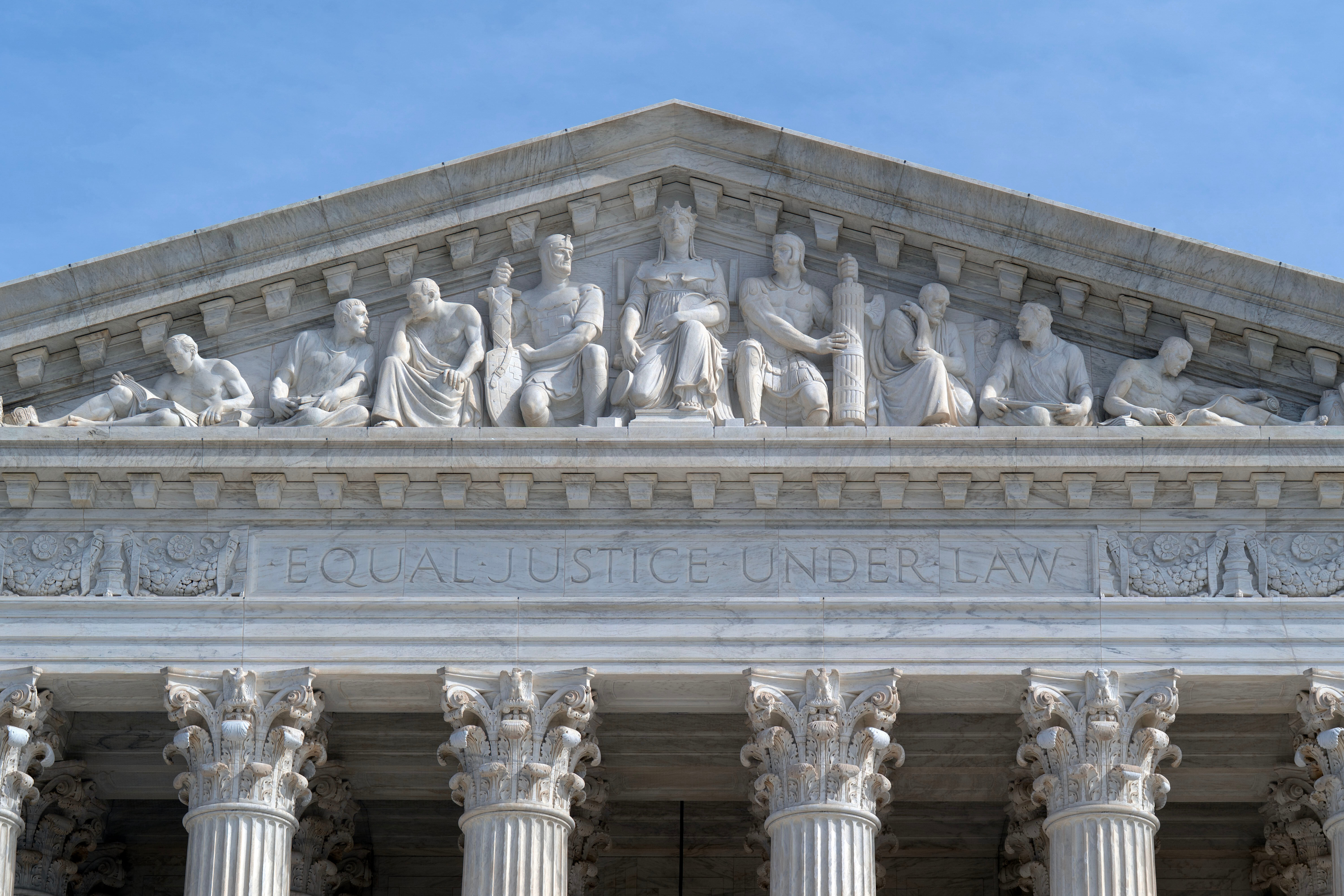
The Supreme Court's October 2025 term has cemented its reputation as a deeply political institution, with a string of rulings that consistently favored President Trump and Republican priorities. Legal scholars and commentators alike have described the term as one of the most partisan in recent memory, with the conservative majority delivering victories for the administration on issues ranging from executive power to voting rights.
Conservative law professor William Baude acknowledged Trump's "outrageous" abuse of power but argued the court is not a rubber stamp. He pointed to three cases—birthright citizenship, tariffs, and voting by mail—where the court ruled against Trump. However, critics note that these were exceptions to a broader pattern of deference.
Legal commentator Elie Honig suggested that some 6-3 or 7-2 decisions reflected differences in judicial methodology rather than politics, citing the National Guard and Mifepristone cases as examples. But liberal law professor Stephen Vladeck dismissed this view, comparing the court's rare defections to "the arsonist who shows up with a fire extinguisher." Vladeck called the term "bleak," and the data supports him: of 20 cases that split the court 5-4 or 6-3, Democratic appointees were on the same side in 19.
Chief Justice John Roberts occasionally formed shifting coalitions to block Trump's most aggressive power grabs, including the abuse of an emergency tariff statute, the rewriting of citizenship definitions, and the attempted firing of Federal Reserve Governor Lisa Cook. But the votes were disturbingly close—5 to 4 on Cook, 6 to 3 on birthright citizenship and tariffs—with the three liberal justices providing the only consistent opposition to expansive presidential power.
In Trump v. Barbara, a 5-4 majority upheld birthright citizenship under the 14th Amendment, but the narrow margin shocked many. Justice Samuel Alito called the ruling "a serious mistake," while Roberts dismissed Alito's arguments as relying on a funeral oration for Lincoln. The decision offered a sigh of relief, but it came far closer to overturning settled law than it should have.
The Slaughter case overturned a 90-year-old precedent, freeing Trump to fire heads of most independent agencies. The ruling empowers the president to exert direct political control over agencies like the Department of Justice and the Department of Defense. Justice Sonia Sotomayor warned in dissent that this grants "a power unknown even to the English crown against which the Founders revolted." The decision has already sparked concerns about Trump's influence over media and military promotions.
In Louisiana v. Callais, the court eviscerated Section 2 of the Voting Rights Act, followed by a shadow docket order in Allen v. Milligan that greenlit Alabama's racially discriminatory congressional map. The NAACP has since launched a record $20 million midterm push to counter the impact, as Black voters in the South face renewed disenfranchisement.
The term also saw the court uphold Trump's tariffs and asylum restrictions, while side-stepping challenges to campaign finance laws and transgender athlete bans. The overall assessment, as former federal prosecutor James D. Zirin concluded, is that the Supreme Court voted for Republicans and Trump whenever it could, and only checked him when it had no plausible alternative.