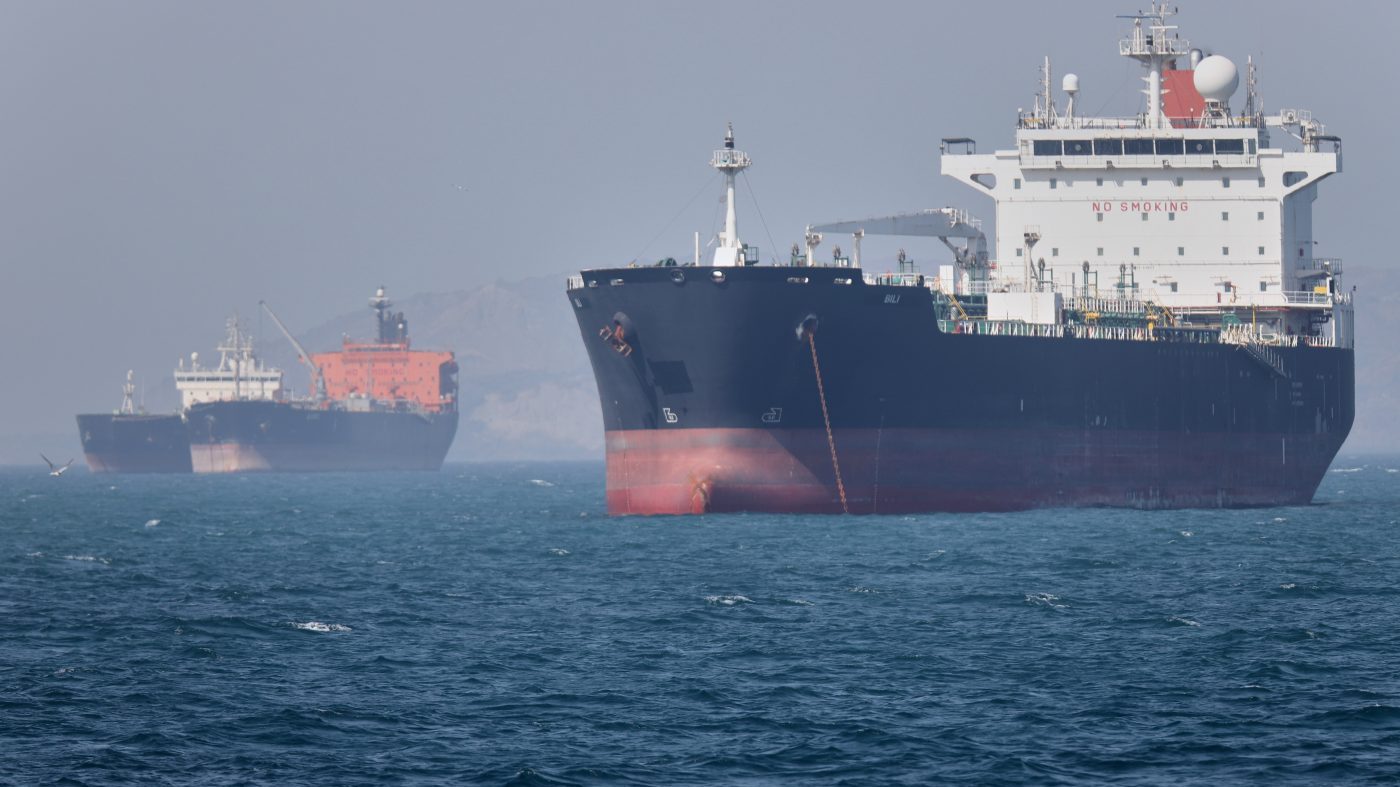
A commercial tanker was struck by a projectile while transiting the Strait of Hormuz on Monday, igniting a fire onboard, according to the British military. The vessel was hit off the coast of Limah, Oman, while traveling southbound, the U.K. Maritime Trade Operations reported.
The projectile struck the ship's portside, causing a fire that was later extinguished. No casualties or environmental damage were reported, and authorities are investigating the incident.

Tehran has warned oil tankers moving through the strait to use its approved routes or face a 'forceful response.' Iranian state media reported Tuesday that a Qatari tanker called 'Al-Raqayat' was targeted after ignoring repeated warnings while attempting to use an Omani route. The report stopped short of claiming responsibility for the attack.
The attack comes less than a week after Iran began multi-day funeral processions for its slain leader, Ayatollah Ali Khamenei, who was killed in U.S.-Israeli airstrikes on Feb. 28. The massive funeral in Tehran drew tens of thousands of mourners and world leaders, laying to rest the regime's longest-reigning supreme leader.
Iran has asserted control over the Strait of Hormuz, a critical chokepoint between the Persian Gulf and the Gulf of Oman that carries a fifth of global oil and gas supplies. The shipping corridor is a key element of the 14-point memorandum of understanding signed by Washington and Iran last month as part of efforts to secure a broader peace deal.
However, repeated attacks on commercial ships and retaliatory strikes have led both sides to accuse each other of violating an already fragile ceasefire. The Trump administration has pushed for an agreement to permanently reopen the strait, whose closure has driven global oil prices sharply higher, hurting consumers at the pump.
Although the U.S. and Iran previously agreed to allow ships to pass without transit fees, they remain divided over Tehran's demand that commercial traffic use its approved routes and eventually pay tolls. The Joint Maritime Information Center, overseen by the U.S. Navy, told commercial shipping that an alternate route near Oman's coastline has been expanded and remains available for all traffic.
The latest attack underscores the volatility in the region and the challenges to securing a lasting ceasefire. Analysts warn that any disruption to shipping through the strait could have severe economic consequences, particularly for global energy markets already strained by the ongoing conflict.