Senior Democrat Questions War's Financial Burden and Strategic Logic
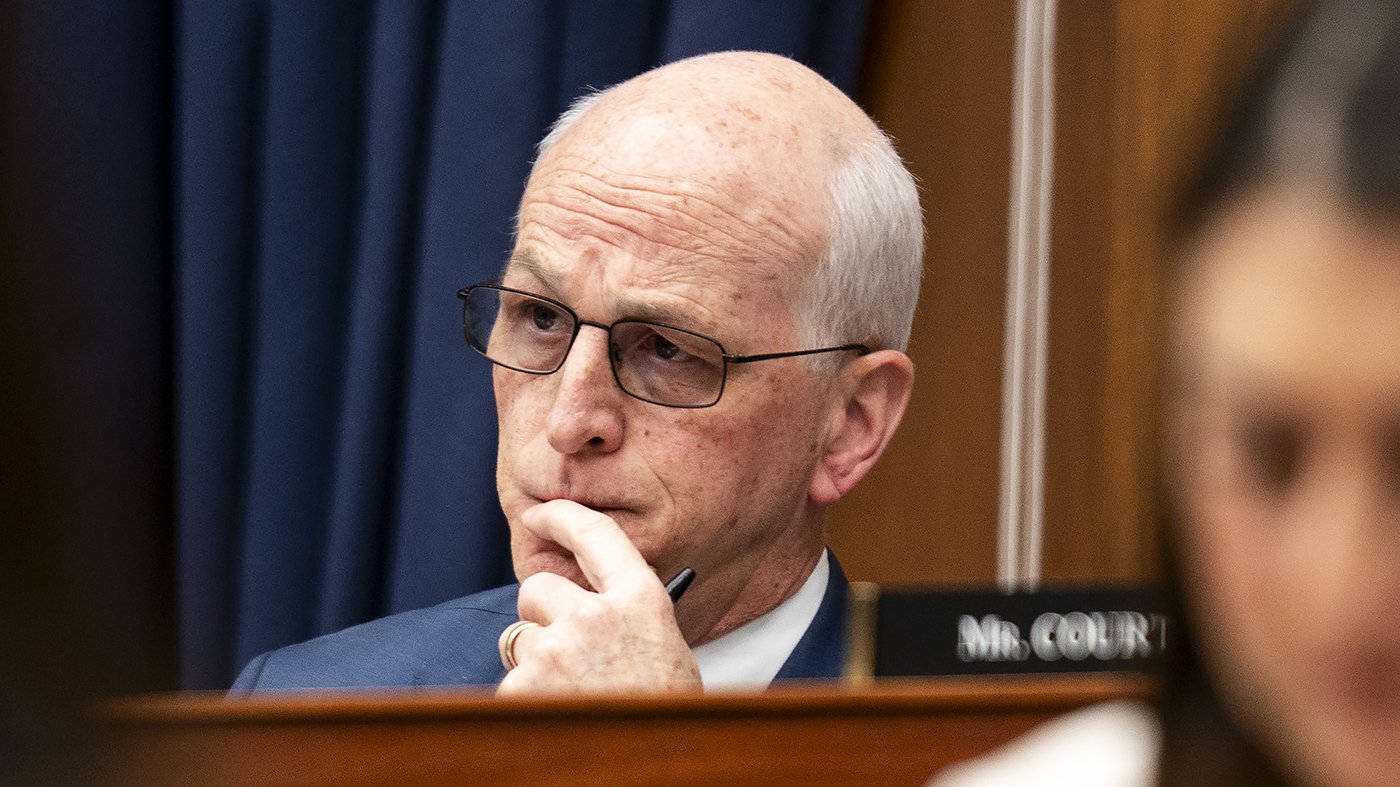
Representative Adam Smith, the leading Democrat on the House Armed Services Committee, delivered a sharp critique of the United States' military engagement with Iran, labeling the conflict a "mistake" driven by unsustainable costs and an unclear strategic endpoint. In an interview on NewsNation's "The Hill Sunday," Smith argued that the war is consuming resources meant for broader military readiness while failing to achieve decisive political outcomes.
Budget Request Sparks Debate Over War Funding
Smith's remarks came in response to President Trump's recent fiscal 2027 budget proposal, which includes a request for $1.5 trillion in defense spending. The Washington lawmaker framed this massive increase—over 50 percent—as a direct consequence of the Iran conflict, coming at a time of a $39 trillion national debt. He pointedly contrasted this spending surge with recent Republican-backed tax cuts totaling approximately $4 trillion, questioning the administration's fiscal priorities.

"If this is the priority that the president and some in his party say it is, then we ought to be willing to pay for it, and we ought to have congressional authorization for it," Smith stated. He urged the government to raise taxes to fund the war rather than financing it through deficit spending, which he likened to putting costs on a "credit card."
Funding Vote Could Imply War Authorization
The congressman raised a significant procedural concern, noting that congressional approval of the full $1.5 trillion defense budget, including a $200 billion supplemental for the conflict, could be interpreted as de facto authorization for escalated military strikes. "As a practical matter, if Congress votes for that, I think that does amount to approval of the war," Smith argued. He clarified his opposition, stating, "I would not be supportive of that because we just don't have a plan to get out of this better than where we were at getting into it."
Smith's position highlights ongoing calls from House Armed Services Democrats for greater transparency and strategic clarity regarding the administration's Iran policy.
Questioning Strategic Objectives and Iranian Resolve
Beyond financial concerns, Smith challenged the conflict's fundamental strategic logic. He characterized U.S. objectives as muddled while Iran's are starkly clear: regime survival and the ability to inflict pain on American forces. "What Iran wants to do is survive and be able to inflict pain on us. And that's a very low bar," Smith said, questioning the feasibility of completely defeating Iran militarily.
He further argued that repeated U.S. airstrikes are counterproductive, serving only to strengthen domestic support for the Iranian government and its anti-American stance. "I don't think bombing their infrastructure does that. That simply hardens the Iranian people in favor of their regime and against the U.S.," Smith contended, suggesting such tactics make diplomatic resolution more difficult. This assessment comes amid recent escalations, including Israeli strikes on key Iranian facilities.
Broader Political Context and Internal Divisions
Smith's critique arrives during a tense political season, where foreign policy and fiscal responsibility are central campaign issues. His focus on the war's cost and strategic drift reflects a broader debate within the Democratic Party about national security and fiscal stewardship. While the party grapples with its direction, recent polling indicates Democrats are gaining ground ahead of the midterms, potentially influencing how such national security critiques are framed.
The congressman's comments underscore a significant divide in Washington over the Iran conflict, pitting concerns over open-ended military commitment and fiscal impact against the administration's assertive posture. As the debate over the defense budget unfolds, Smith's arguments are likely to fuel further scrutiny of the war's goals, costs, and congressional oversight, setting the stage for a contentious legislative battle.