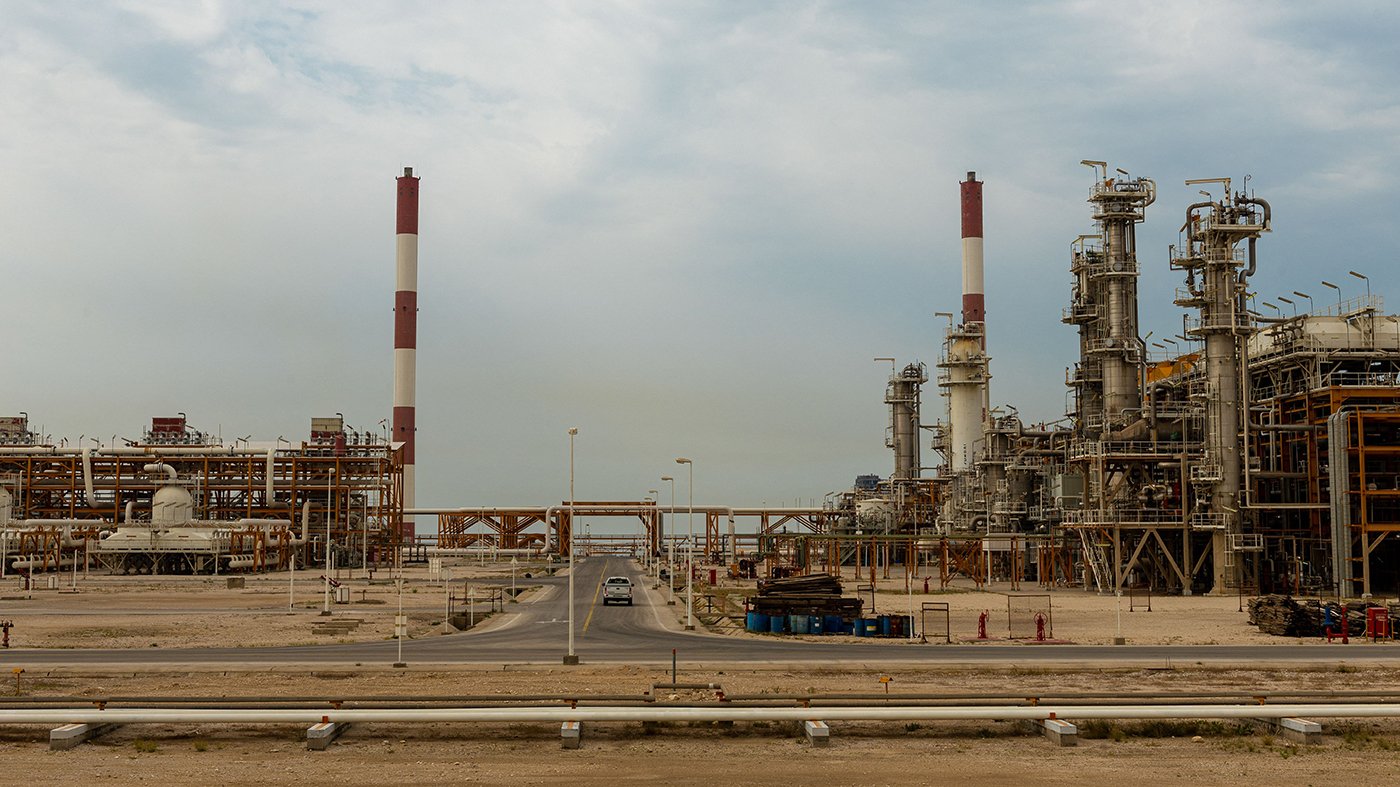
Israeli forces launched a military strike against a major Iranian petrochemical facility on Monday, directly escalating regional tensions hours before a deadline set by President Donald Trump for Tehran to reopen the Strait of Hormuz to international shipping. The operation targeted what Israeli Defense Minister Israel Katz identified as Iran's largest petrochemical plant, situated within the vast South Pars natural gas field.
Strategic Target in Disputed Waters
The South Pars field, which Iran shares with Qatar in the Persian Gulf, represents the world's largest known natural gas reservoir. The strike hit infrastructure near the coastal town of Asaluyeh. According to Iranian state media, the attack resulted in no casualties and caused no significant structural damage, though such claims are difficult to verify independently.
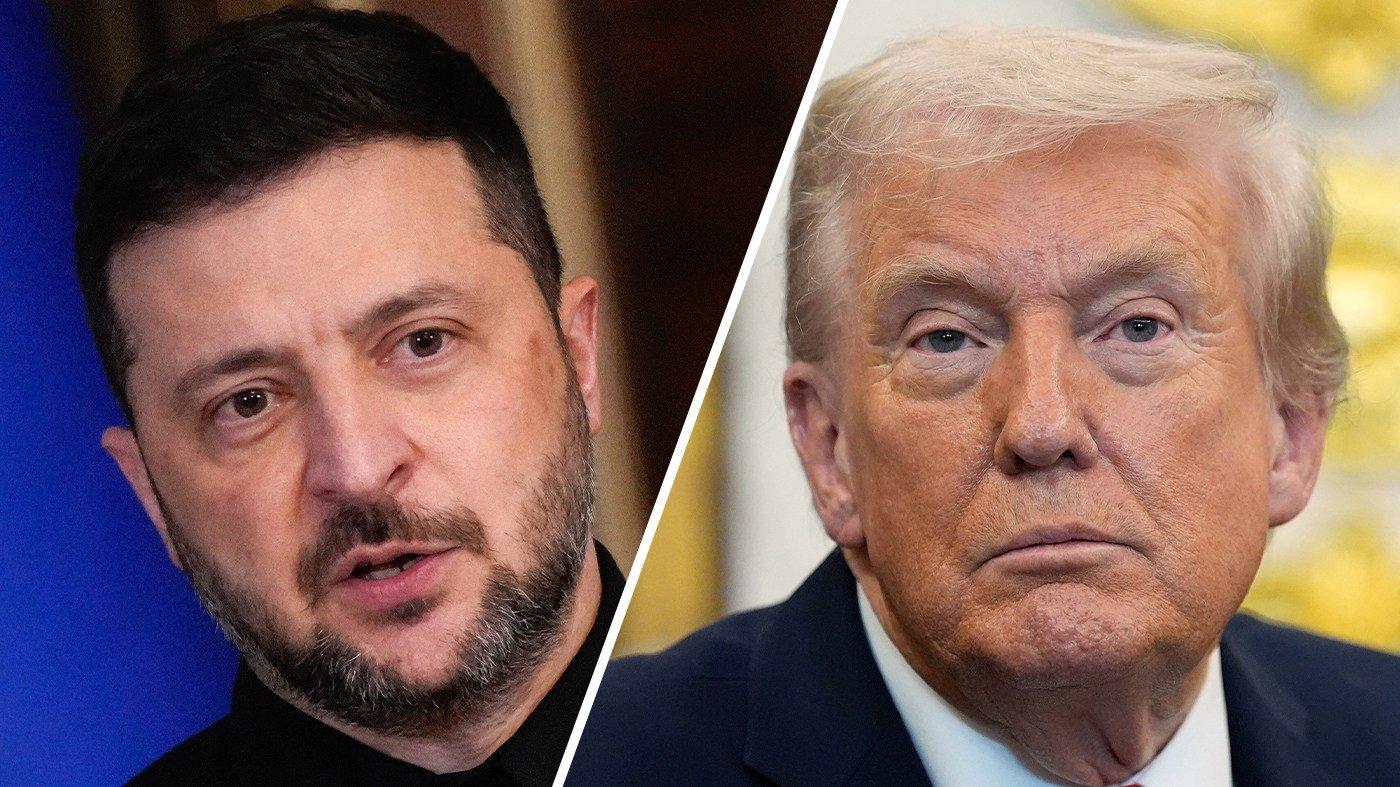
This marks at least the second Israeli strike on this specific Iranian facility in recent weeks. A similar operation in mid-March prompted Iranian forces to retaliate against a Qatari gas installation. Following that earlier strike, President Trump stated he had not been notified in advance and suggested Israel would refrain from further attacks on Iranian energy infrastructure.
Trump's Ultimatum and Escalating Rhetoric
The latest Israeli action unfolds against a backdrop of increasingly confrontational rhetoric from Washington. Over the weekend, President Trump issued a stark ultimatum to Iran on his Truth Social platform, threatening severe consequences if the Strait of Hormuz remained closed. "Tuesday will be Power Plant Day, and Bridge Day, all wrapped up in one, in Iran. There will be nothing like it!!! Open the F---in' Strait, you crazy bastards, or you'll be living in Hell – JUST WATCH!" Trump wrote, signing the post "President DONALD J. TRUMP."
This public threat to rain "all hell" down on Iran came as the administration approached its self-imposed Monday deadline, a situation detailed in our coverage of Trump's confrontation with Tehran over rejected U.S. demands. The president had previously set the Tuesday deadline and threatened severe retaliation in a series of social media statements that have defined his administration's approach.
Broader Geopolitical Context
The strike and the looming deadline highlight the volatile intersection of energy security, military strategy, and great power competition. The Strait of Hormuz is a critical global chokepoint for oil shipments, and any sustained closure would trigger immediate economic shockwaves. Israel's decision to act unilaterally, despite Trump's earlier comments, suggests complex coordination—or potential divergence—in allied strategy toward Iran.
This military action also occurs amid significant domestic political friction within the United States. The administration's aggressive posture has exposed divisions, as seen when the House moved to force a vote on extending Haitian TPS, directly challenging White House immigration policy. Furthermore, recent CPAC discussions revealed growing GOP rifts over the scope and risks of a potential military campaign against Iran.
Iran has responded to U.S. pressure with its own hybrid tactics, including an information campaign utilizing AI-generated memes as part of its propaganda war against the Trump administration. The situation remains fluid, with the Israeli strike representing a tangible escalation that tests the boundaries of Tehran's response and the cohesion of the U.S.-led pressure campaign.