Conservative Gathering Reveals Deepening Fault Lines on Iran Policy
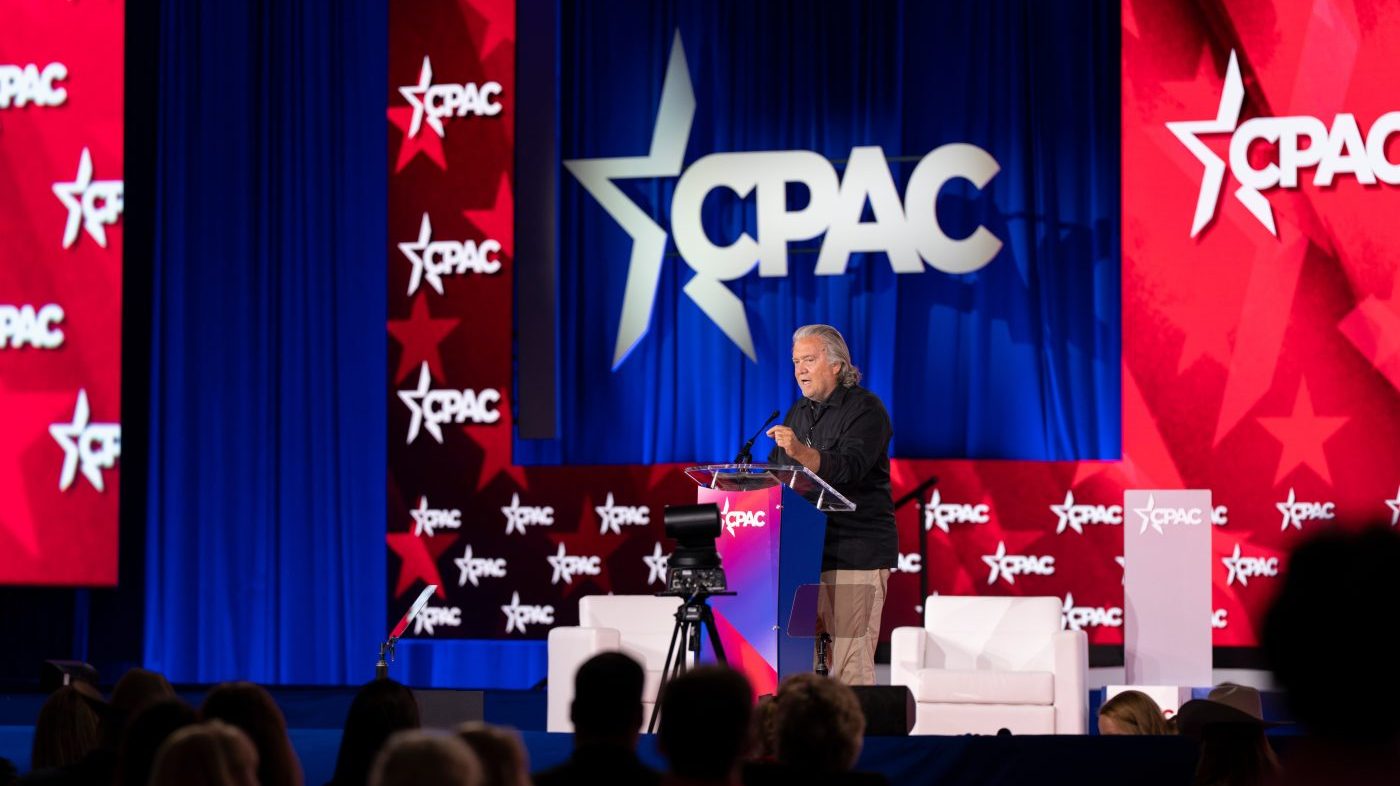
The annual Conservative Political Action Conference in Texas has laid bare persistent fractures within the Republican coalition regarding former President Donald Trump's ongoing military campaign against Iran. The four-day gathering, concluding Saturday in Grapevine, provided a window into how party leaders and activists are navigating their allegiance to Trump's "America First" doctrine amid mounting voter anxiety about the conflict's economic repercussions.
Voices of Caution Emerge From Trump's Inner Circle
While many speakers reiterated their fundamental trust in the former president, who notably skipped the event for the first time in ten years, several prominent Trump allies publicly aired reservations about U.S. military engagement in the Middle East. Former Florida Congressman Matt Gaetz, once Trump's preferred candidate to lead the Department of Justice, used his Thursday speech to warn explicitly against deploying American ground forces to Iran.
"I want President Trump to have every diplomatic tool at his disposal, and I do trust that he knows a great deal more than I do," Gaetz stated. "But a ground invasion of Iran will make our country poorer and less safe. It will mean higher gas prices, higher food prices, and I'm not sure we'd end up killing more terrorists than we would create." His warning comes as broader geopolitical tensions have already begun affecting the U.S. economy, with gas prices surging by more than one dollar per gallon since hostilities escalated in late February.
Bannon Warns of Potential Troop Deployment
Former White House strategist Steve Bannon echoed these concerns on Friday, framing the potential for combat troop deployment in starkly personal terms for the CPAC audience. "You have to be convinced that this is the right thing to do, particularly now that we're on the eve of potentially the insertion of American combat troops," Bannon said. "Your sons, daughters, granddaughters, grandsons, could be on Kharg Island or be holding a beachhead down by the Strait of Hormuz." The strategic importance of the Strait of Hormuz has been a consistent theme in defense discussions, with some experts, like a former Navy secretary, arguing U.S. naval power could secure the waterway if political will existed.
Gaetz and Bannon represent a growing contingent within Trump's base expressing skepticism about the month-long campaign. This internal dissent contrasts with the administration's public messaging. Trump himself downplayed the economic impact last Thursday, remarking, "I thought the oil prices would go up more, and I thought the stock market would go down more. It hasn't been nearly as severe as I thought." Meanwhile, press secretary Karoline Leavitt has indicated operations are winding down, claiming core military objectives have been achieved.
A Defiant Defense and a Generational Divide
Other CPAC speakers mounted a vigorous defense of Trump's actions. Reza Pahlavi, the exiled crown prince of Iran, credited Trump's "resolve and the courage of American troops" for the campaign's outcomes. This support aligns with broader Republican voter sentiment; a recent Pew Research Center survey found 69% of GOP respondents mostly favored the conflict, though 60% of all Americans disapproved.
The conference, however, exposed a sharp generational schism. Younger conservatives voiced a sense of betrayal, arguing military action contradicts the "America First" non-interventionism many believed they voted for. "We did not want to see more wars. We wanted actual 'America First' policies, and Trump was very explicit about that," said 25-year-old Benjamin Williams, a marketing specialist for Young Americans for Liberty. "It does feel like a betrayal, for sure."
In contrast, older attendees were more likely to defend the president's decisions as necessary responses to a long-standing threat. "I don't believe he started a new war. He was acting in response to a 40-year-old war by Iran," said 70-year-old retired defense contractor Joe Ropar. "How long were we supposed to wait? I think he did what he had to do when he had to do it." This internal debate occurs as other policy disputes, such as Department of Homeland Security funding, also highlight tensions between different factions of the conservative movement.
The divisions at CPAC suggest that while Trump retains significant loyalty within the GOP, his foreign policy actions are testing the cohesion of the MAGA coalition. The economic and human costs of sustained conflict are creating fault lines that could influence both upcoming policy debates and the political landscape, especially as historical accounts of who supported military action are contested in Washington.