Former Top Diplomat Counters Trump's Narrative on Iran
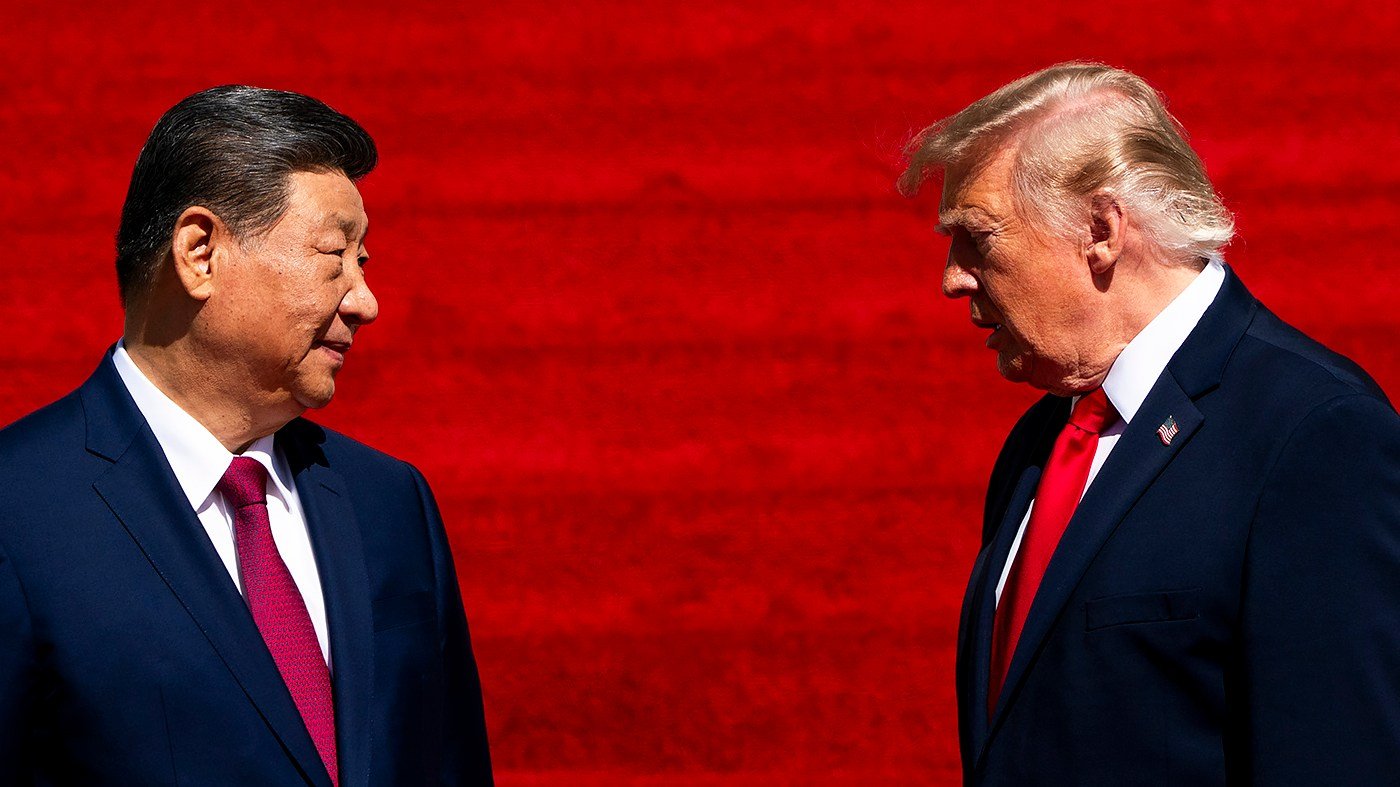
Former Secretary of State Antony Blinken has issued a forceful rebuttal to claims made by former President Donald Trump that he had advocated for military strikes against Iran during his tenure in the Biden administration. The dispute centers on Trump's recent remarks to Republican lawmakers, where he suggested Blinken had expressed regret that the U.S. did not take more aggressive action.
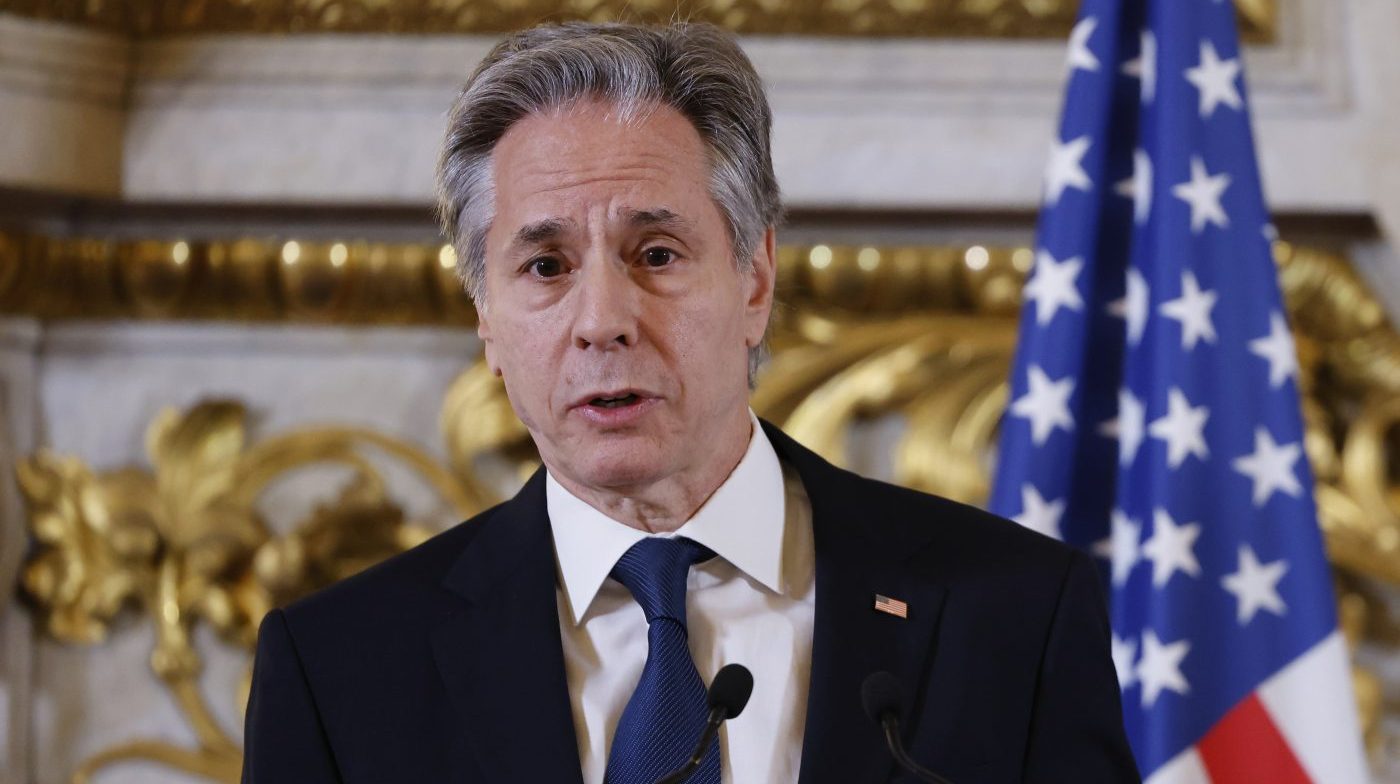
In a detailed social media thread, Blinken categorically denied making any such statement. "So no, I would not have done it. For the record," he wrote, directly countering Trump's characterization. The former secretary instead pointed to his public record and past comments on U.S.-Iran policy as evidence of his consistent position.
Defending the Nuclear Deal
Central to Blinken's argument is his defense of the Joint Comprehensive Plan of Action (JCPOA), the nuclear agreement negotiated during the Obama administration that Trump abandoned during his first term. Blinken posed a critical question: "What would have happened if President Trump had just left the JCPOA in place?" He argued the agreement provided "the most intrusive inspections ever" on Iran's nuclear program, giving the U.S. superior intelligence while maintaining the military option as a last resort.
Blinken contended that allowing the JCPOA to remain operational would have preserved crucial leverage. "When the JCPOA expired, it could be extended or renegotiated, as with most arms control agreements," he explained. "If Iran refused, the U.S. would still retain the military option, with a lot more information about Iran's program." This stance places him directly at odds with the current administration's approach, which has involved recent military pauses amid diplomatic efforts.
Economic and Strategic Consequences
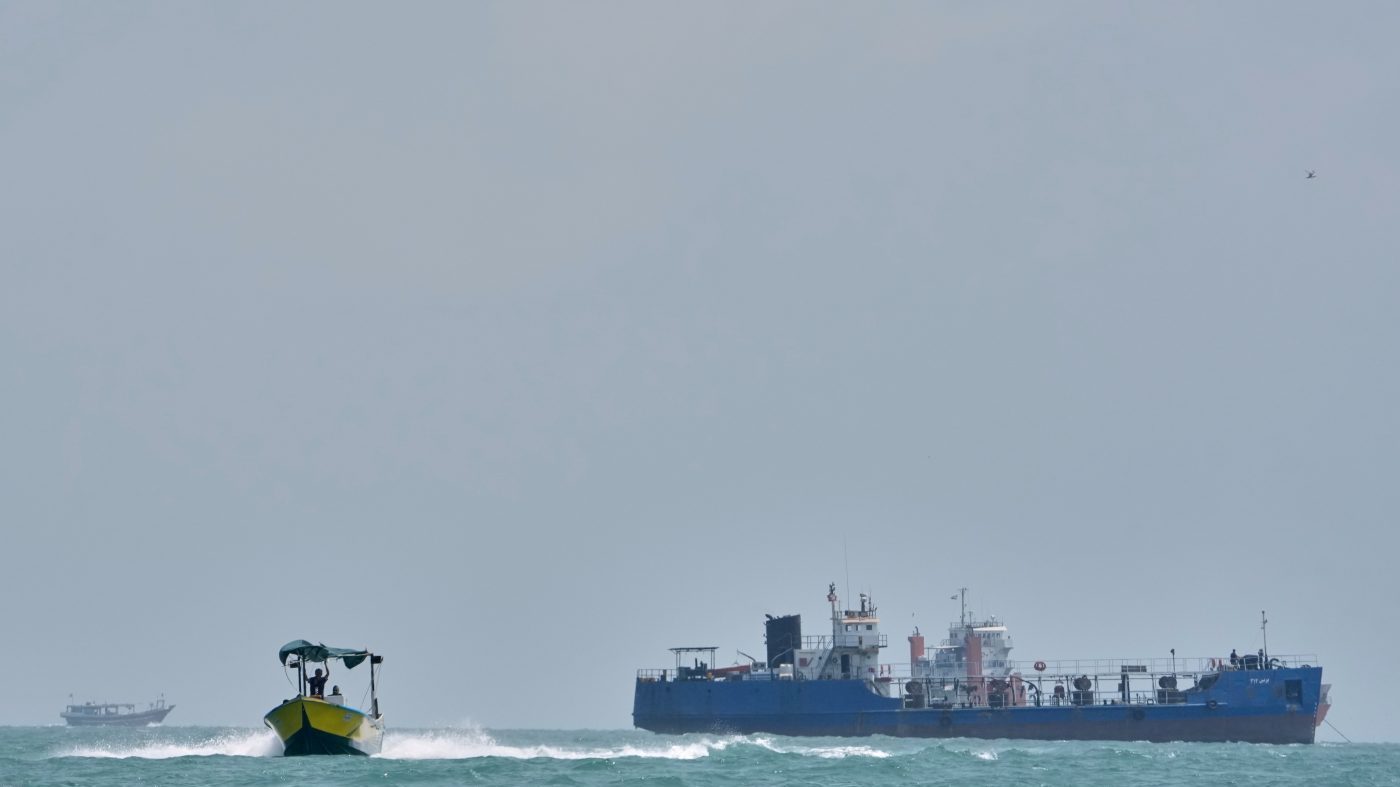
The former secretary leveled sharp criticism at the economic fallout from the ongoing conflict, particularly Iran's ability to disrupt global energy markets. Iranian counterstrikes in the Strait of Hormuz have severely constrained oil shipments through the critical waterway, driving benchmark prices above $100 per barrel. "The failure to anticipate and prepare for Iran weaponizing the Strait of Hormuz puts us literally at the bottom of the barrel," Blinken wrote.
He highlighted the strategic dilemma now facing policymakers: "Markets (oil, LNG, stocks, bonds, fertilizer, helium) and munitions (offensive and defensive) will dictate when President Trump feels compelled to declare victory and walk away, but with Iran controlling the Strait. Maybe a negotiation can fix that, but with what concessions to Iran? Or we can double down, at huge risk." This economic pressure comes as Senate Democrats have rejected DHS funding measures, complicating the administration's response options.
Human Cost and Political Context
Blinken also cited the human toll of the military operations, noting that thirteen U.S. service members have been killed and nearly three hundred injured since hostilities escalated. This acknowledgment of casualties adds a somber dimension to the policy debate, contrasting with the political rhetoric surrounding the conflict.
The exchange occurs amid broader political tensions, including Trump's ongoing disputes with media organizations and external criticism of his Iran strategy. Trump had previously claimed that "a past president" told him he wished his administration had bombed Iran, though aides for all living former presidents denied such conversations took place.
The public disagreement between a former secretary of state and a former president underscores deep divisions over Middle East strategy that continue to shape U.S. foreign policy. As Blinken defends the diplomatic approach of the previous administration, the current White House faces ongoing challenges in managing both the military conflict and its domestic political repercussions.