Senate Democrats on Thursday rejected legislation passed by the House to provide funding for the Department of Homeland Security, a move that directly paves the way for President Trump to declare a national emergency. The executive action would authorize payment for Transportation Security Administration employees who have worked without pay since the department's funding lapsed in mid-February.
Procedural Blockade and Negotiations
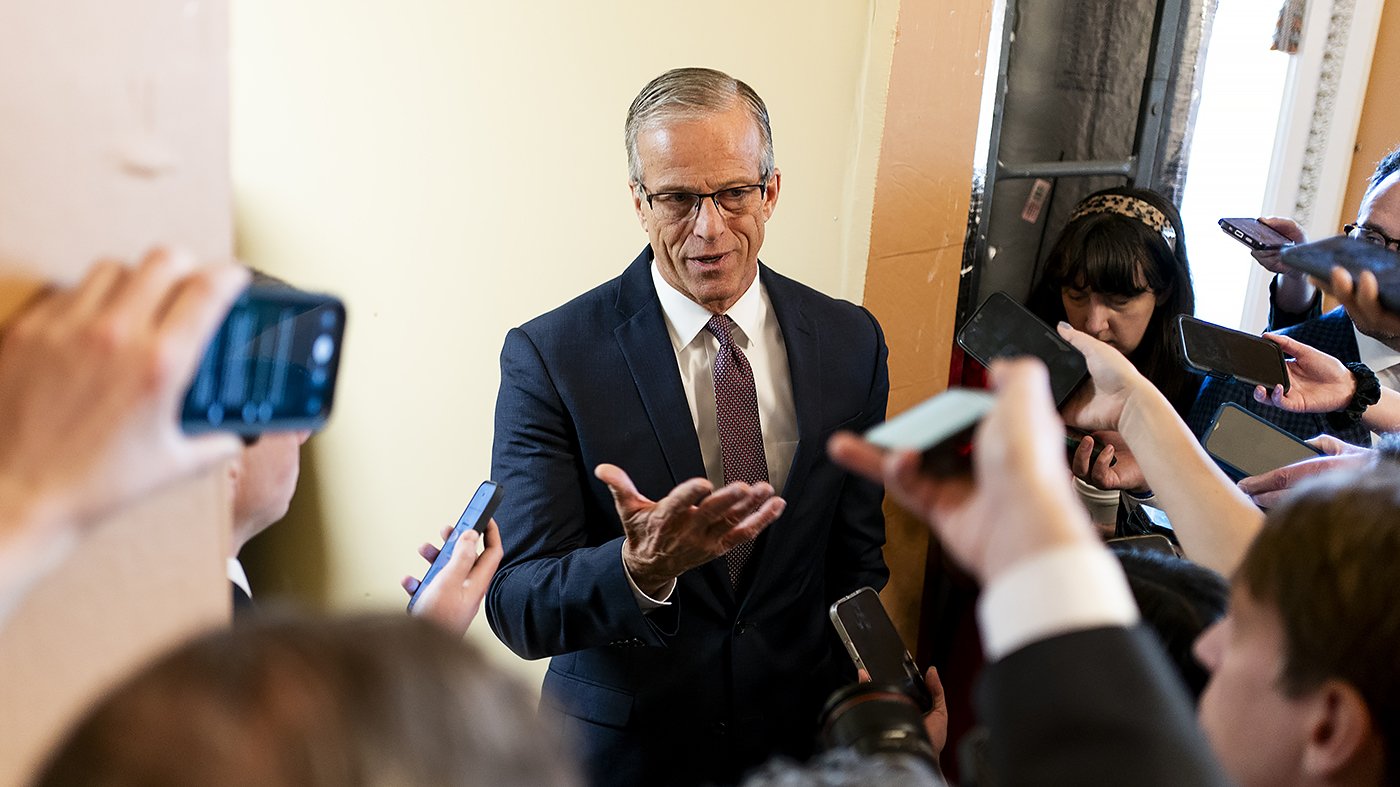
The procedural motion to advance the funding bill failed by a vote of 53 to 47, falling short of the 60 votes required. Only one Democrat, Senator John Fetterman of Pennsylvania, voted in favor. This marked the seventh time Democrats have voted against the measure since the funding deadline passed. Senate Majority Leader John Thune, a Republican from South Dakota, kept the vote open for hours to allow bipartisan negotiators time to broker a deal. This procedural maneuver also prevented colleagues from making unanimous consent requests to fund specific DHS agencies like TSA.
Negotiators were attempting to separate funding for Immigration and Customs Enforcement's emergency removals operation from the broader DHS appropriations. Centrist lawmakers, including independent Senator Angus King of Maine, who caucuses with Democrats, sought strict limitations to prevent ICE from shifting funds intended for investigating human trafficking and cybercrimes toward migrant apprehension and detention. ICE's annual budget under the bill is approximately $10 billion, with $5.4 billion earmarked for emergency removal operations.
Democratic Demands and Internal Divisions
Several Democratic centrists had proposed removing all ICE funding from the bill in exchange for including money for Customs and Border Protection, provided there were also restrictions on Border Patrol's authority for interior enforcement. However, Democratic senators indicated before the vote that while proposals were being exchanged, a breakthrough was not imminent. "I think it's a good sign that there is paper that is going back and forth," said Senator Chris Coons of Delaware. "But frankly we're not that far from where we've been for weeks, which is Democrats want real reforms to ICE and CBP and are resistant to funding them without reforms."
A group of centrist Democrats has been engaged in quiet talks with Republican negotiators, seeking a compromise to end the impasse. This dynamic echoes the challenges seen when the Problem Solvers Caucus drafted a DHS funding bill that faced opposition from both party flanks. Senate Republicans reportedly see little chance of cutting a deal with Democratic leaders like Senator Chuck Schumer or Senator Patty Murray, but believed they could persuade centrists like King and Senator Maggie Hassan of New Hampshire to support a compromise lacking the ICE reforms demanded by Democratic leadership.
Senator Jacky Rosen of Nevada, one of eight Democrats who voted to end the lengthy government shutdown last fall, noted that Schumer did not present the latest Republican counteroffer at the Democratic caucus lunch on Thursday. This suggests ongoing internal divisions within the Democratic conference over strategy, a theme also present in other policy battles such as when Senate Democrats demanded the withdrawal of a Trump administration rule affecting the Affordable Care Act.
Broader Political Context
The standoff occurs against a backdrop of heightened political tension over immigration and border security. The Trump administration has consistently pushed for robust funding for border agencies without the policy restrictions Democrats seek. This funding fight is separate from, but related to, other national security concerns occupying the administration, such as when a Trump cabinet meeting focused on the Iran conflict with the new Homeland Security secretary in attendance.
The immediate consequence of the bill's failure is the likely declaration of a national emergency by President Trump, an extraordinary step to fund a critical agency. This action underscores the deep dysfunction in the appropriations process and reflects the polarized environment where funding for homeland security is inextricably linked to contentious immigration policy debates. The stalemate leaves thousands of federal workers in limbo and highlights the challenges of governing in a narrowly divided Senate, where bipartisan deals are elusive even on matters of core government operations.