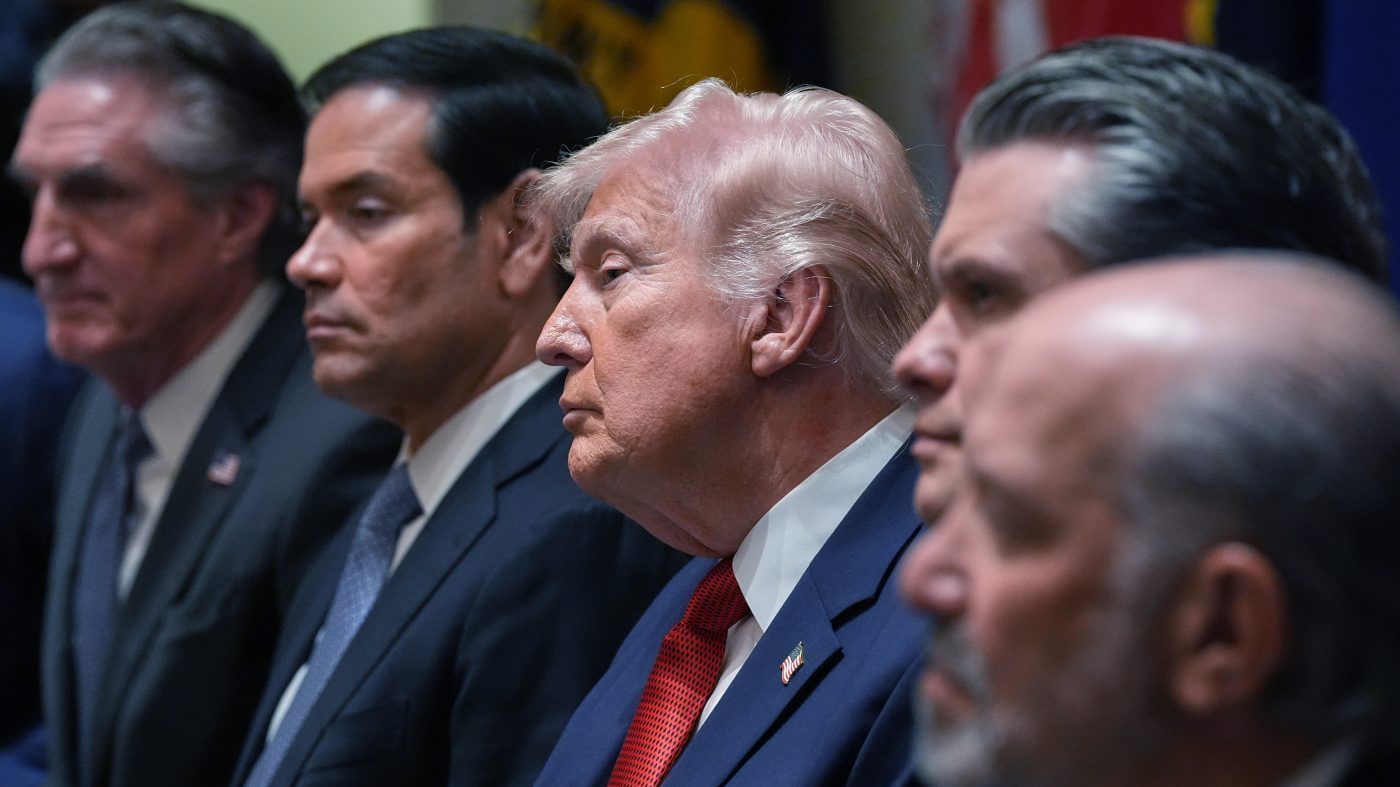
President Donald Trump convened his 11th Cabinet meeting of his second term on Thursday, with the escalating military conflict with Iran consuming the bulk of the administration's attention. The session underscored how the war has become the dominant foreign policy and national security challenge for the White House.
A More Focused, Abbreviated Session
In a departure from the format of previous gatherings, Thursday's meeting lasted approximately ninety minutes—a notably shorter duration. The discussion was tightly controlled, with only a select few department secretaries delivering remarks rather than the customary practice of allowing every Cabinet official to speak. This streamlined approach suggests a deliberate focus on urgent wartime decision-making over broader administrative updates.
Mullin's Debut Amid Security Crisis
The meeting served as the first for newly confirmed Homeland Security Secretary Markwayne Mullin, who was sworn into office just two days prior. His immediate immersion into high-level strategy talks on Iran highlights the critical role his department will play in managing the domestic security implications of the conflict, from potential cyber threats to disruptions in global supply chains.
The administration's internal deliberations come as it publicly advances a 15-point framework for a potential peace agreement with Iran, even while sustaining military operations. This dual-track strategy of diplomacy and force has drawn criticism from some congressional Republicans, including Representative Nancy Mace, who has publicly urged the President to sideline Senator Lindsey Graham over his aggressive stance, which she characterizes as pushing a "war machine."
Public sentiment appears to be a significant pressure point for the administration. Recent polling indicates a majority of Americans oppose further military action against Iran and disapprove of Trump's handling of the situation. This domestic political reality forms a backdrop to all strategic calculations, potentially limiting the administration's options.
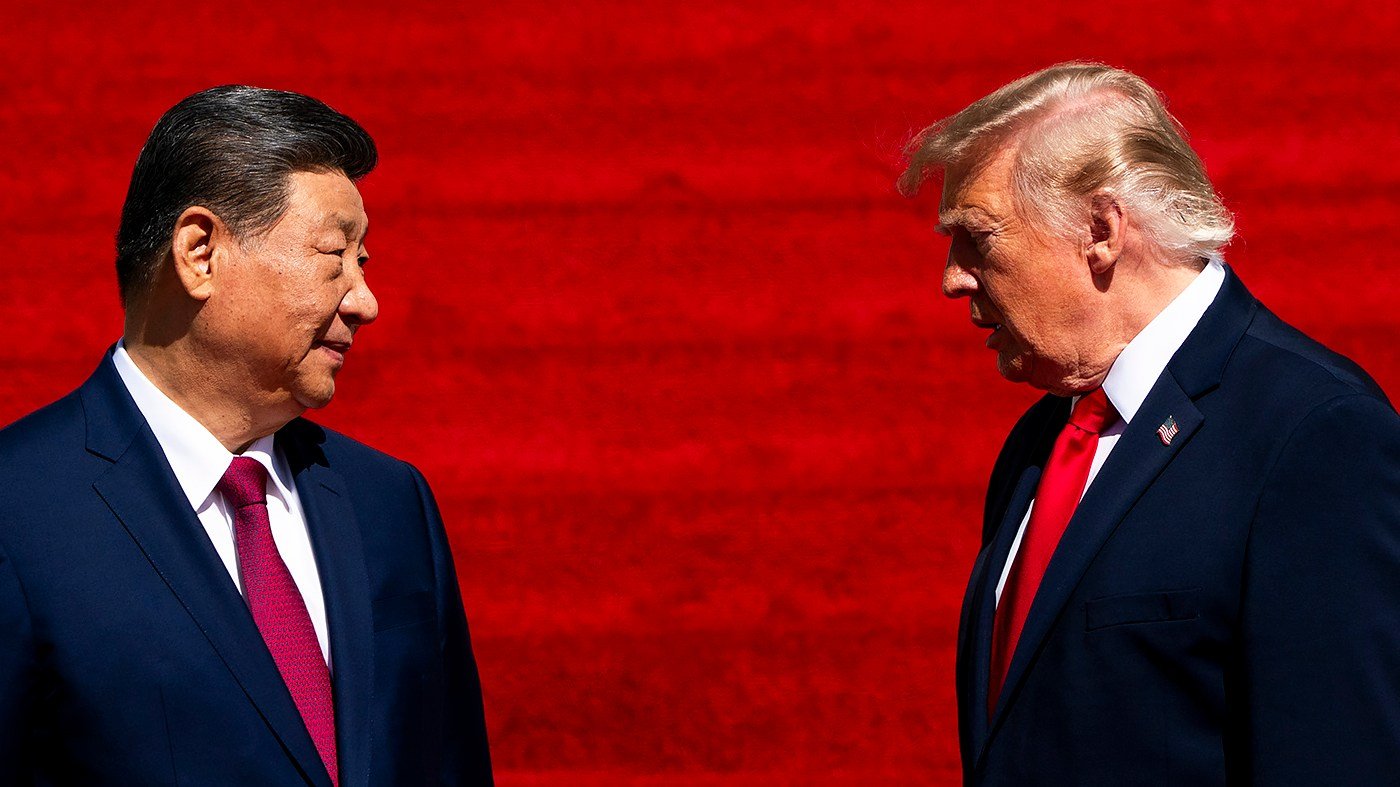
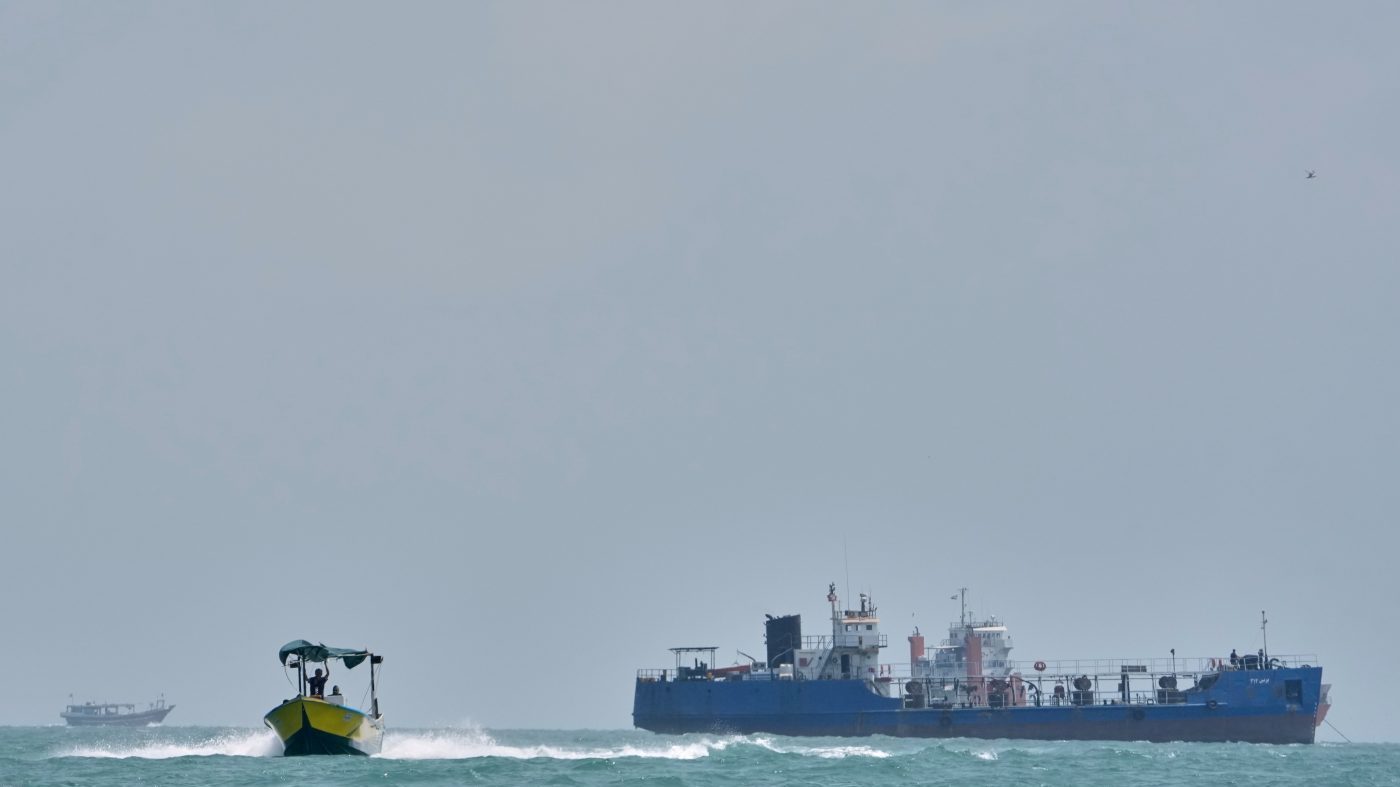
The Iran war has also triggered secondary international crises, including the closure of critical shipping lanes. The situation has grown so dire that, as reported, a leading Democrat has accused the President of effectively 'begging' China to intervene diplomatically to reopen the Strait of Hormuz—a charge that, if true, would mark a stark reversal in a typically adversarial bilateral relationship.
While consumed by foreign conflict, the administration continues to navigate a fraught domestic landscape. The Cabinet meeting occurred amid other pressing issues, such as the recent Greek Independence Day celebration at the White House, an event that provided a brief respite from the weight of wartime leadership. Furthermore, internal dynamics within the Justice Department, where the President's legal team claims a purge of officials involved in past investigations, continue to simmer, as detailed in reports about claims by attorney Todd Blanche regarding the FBI and DOJ.
The truncated, war-focused nature of this Cabinet meeting signals an administration in crisis management mode. With a new Homeland Security chief at the table and the conflict showing no immediate signs of de-escalation, President Trump's team appears to be consolidating its focus on a single, defining challenge that will test its diplomatic, military, and political capacities in the weeks ahead.