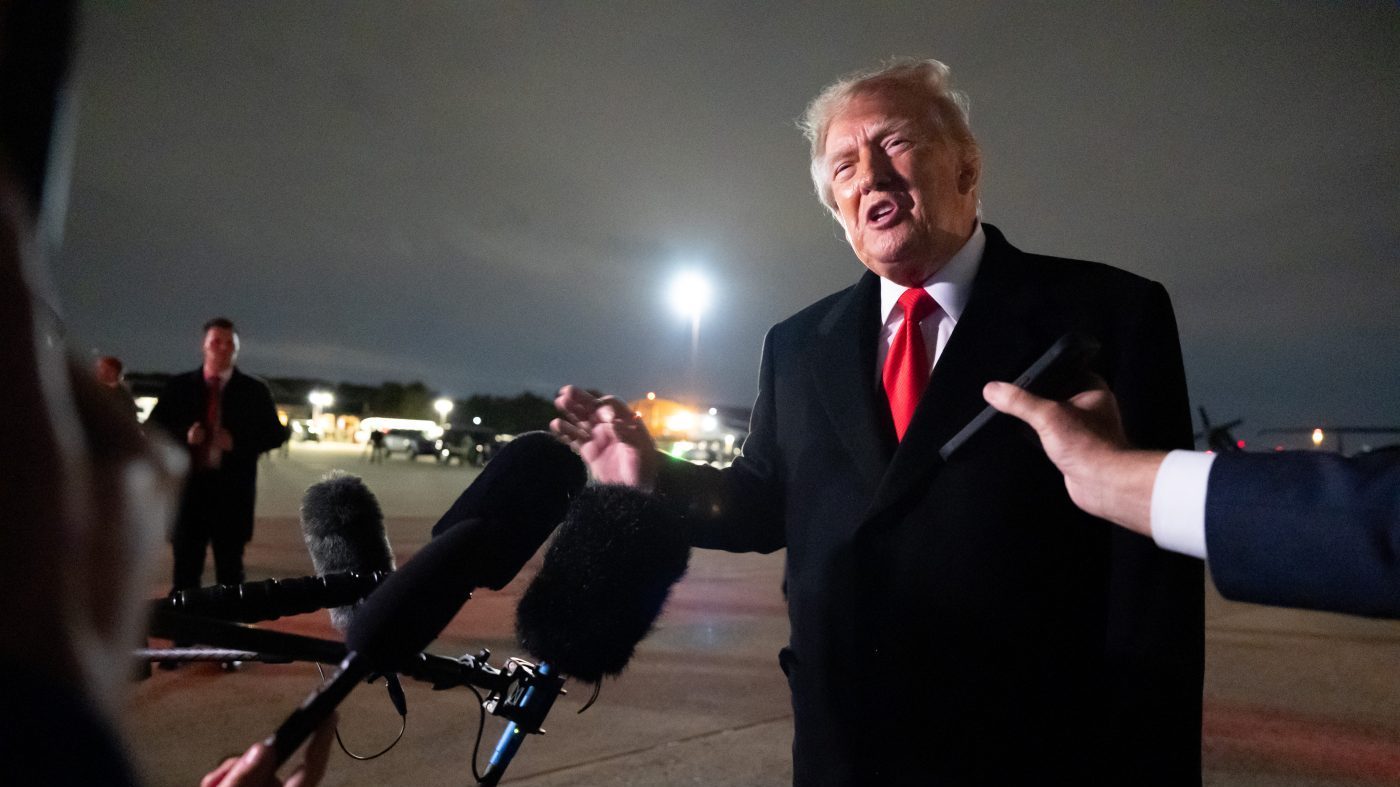
Hours after Virginia voters approved a redistricting referendum on April 22, President Trump declared the election rigged. He claimed Republicans were winning all day until a massive mail-in ballot drop allowed Democrats to eke out a crooked victory. This baseless allegation, repeated whenever Republicans lose, is part of a comprehensive strategy to stack the electoral deck in his favor.
Under the Constitution, states hold primary authority over election administration. Yet the Trump administration has increasingly sought to override state control, alter voting rules, and suppress turnout among groups likely to vote Democratic. Supporters argue these efforts ensure election integrity, but courts, audits, and election officials have consistently found no evidence of widespread fraud beyond isolated instances that did not affect outcomes.
The real threat to free elections, as then-Homeland Security Secretary Kristi Noem put it, is the administration's push to ensure the right people vote for the right leaders. In 2025, the Justice Department demanded voter rolls, ballots, driver's license records, and partial Social Security numbers from nearly every state and D.C., threatening to share the data with DHS. The Civil Rights Division has sued over 30 states for noncompliance.
The administration has also seized ballots and launched investigations into elections already audited and confirmed. In January 2026, FBI agents confiscated 2020 ballots in Fulton County, Georgia, citing unspecified concerns. In March, the FBI subpoenaed 2020 voting records in Maricopa County, Arizona, relying on unsubstantiated claims of irregularities. Arizona Attorney General Kris Mayes noted those results were certified, litigated, and confirmed years ago, with audits showing only minor vote shifts.
In April, the Justice Department demanded all 865,000 ballots from Wayne County, Michigan, for the 2024 election. Assistant Attorney General Harmeet Dhillon cited three voter fraud cases and a dismissed absentee ballot lawsuit as justification, but failed to mention the cases were prosecuted or dismissed for lack of evidence. Michigan Governor Gretchen Whitmer called it a poorly disguised attempt to sow doubt and justify federal intervention.
The administration has also expanded federal election roles. A March executive order directs DHS and the Social Security Administration to assemble lists of voting-age citizens for state officials, who would work with the Postal Service to oversee mail-in ballots. The order faces court challenges over privacy and constitutional authority. Meanwhile, the administration has weakened election safeguards: by end of 2025, most Justice and DHS election security officials had resigned or been replaced by political activists, many of them election deniers.
Trump gutted the Cybersecurity and Infrastructure Security Agency and its fraud-rebuttal website. FBI Director Kash Patel shut down the public corruption unit monitoring Election Day crime and the Foreign Influence Task Force, while reviving unsubstantiated theories about Chinese interference in 2020. Derek Tisler of the Brennan Center warns that false claims with the federal seal are hard to rebut and damage voter confidence.
Damage is already evident: 63% of Republicans believe Trump won 2020, 83% worry about fraudulent mail-in ballots, 82% think non-citizens vote frequently, and 62% favor federal law enforcement at polling places. Only 33% of all voters express confidence in election integrity. This strategy risks eroding trust in democracy itself.