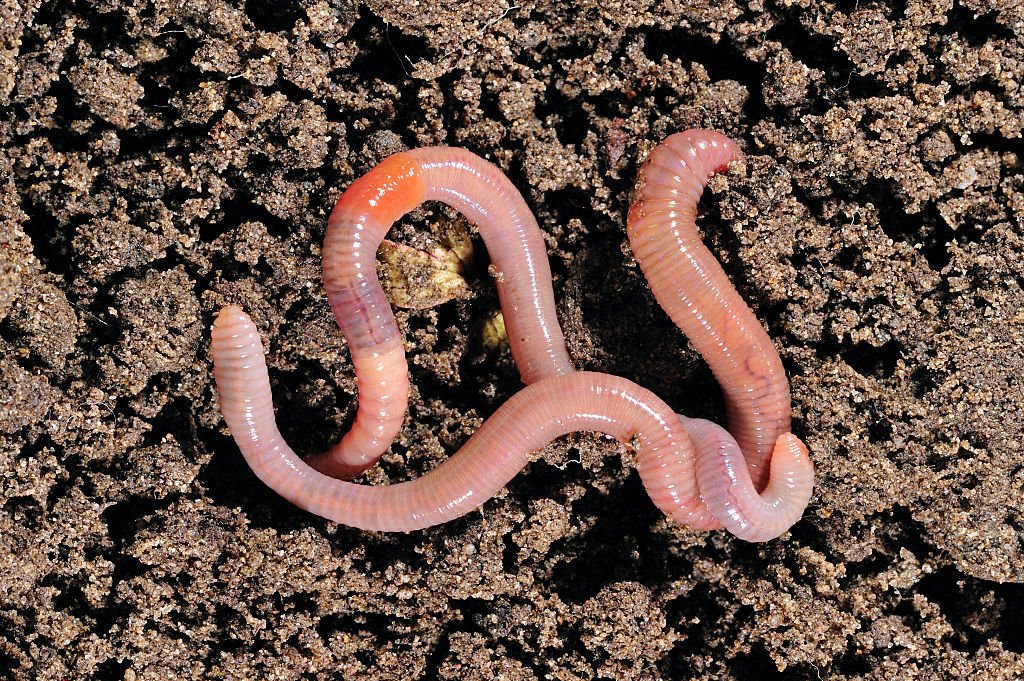
Earthworms are a common sight after rain or while gardening, but according to experts, many of these wriggling creatures are invasive species with significant ecological consequences.
Michael Skvarla, head of the Insect Identification Laboratory at Penn State University, explains that regions covered by glaciers 10,000 years ago—including states like Montana, Minnesota, Wisconsin, Illinois, New York, and others—have few, if any, native earthworms. In these areas, the worms you see are likely from Europe or Asia.
European earthworms arrived with early immigrants, who used soil and rocks as ballast in ships. Once unloaded, these worms thrived in North American forests, altering nutrient cycles. While some damage is irreversible, experts say these worms have reached an equilibrium in many places.
More concerning are Asian jumping worms, which have been detected in over 20 states, including California, Florida, and Texas. Unlike European earthworms, jumping worms reproduce rapidly—laying 30 to 50 eggs in a single year—and consume leaf litter voraciously, stripping habitats of nutrients. Their waste does not integrate well into soil, making it harder for plants to grow and favoring invasive shrubs over native trees.
Jumping worms are easy to identify: they thrash and leap when touched. However, controlling them is difficult. Skvarla notes that no widespread method works, but letting grass grow tall can expose them to heat, killing them.
In contrast, European earthworms can be beneficial in gardens by aerating soil and cycling nutrients. Officials advise against moving soil or plants from infested areas to prevent spreading invasive species. If you suspect an infestation, contact local wildlife experts.
For more on invasive species management, see how Florida scientists use GPS-tagged opossums to hunt invasive pythons.
Understanding the origins and impacts of earthworms is crucial for protecting native ecosystems. As Skvarla puts it, “It’s basically bad news all around when they get introduced.”