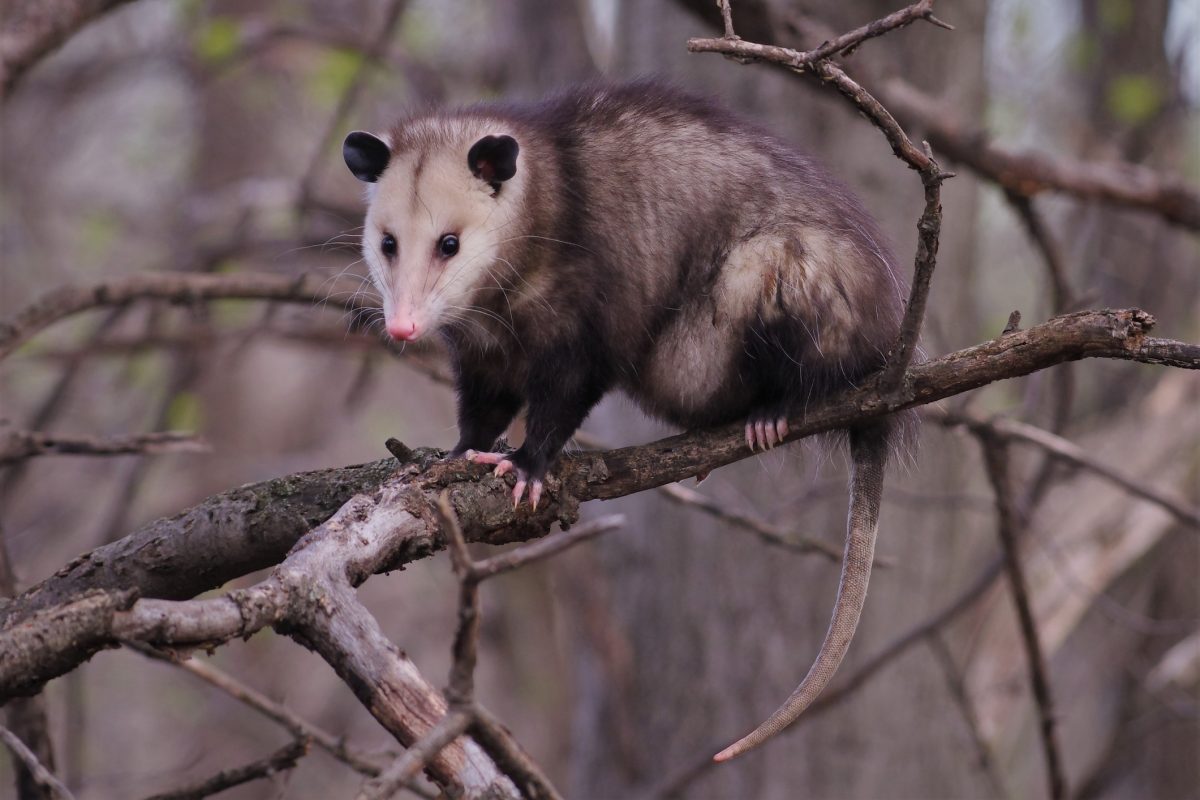
In a novel strategy to combat the invasive Burmese python crisis, researchers in Florida's Everglades are deploying GPS-collared opossums and raccoons as unwitting informants. The idea is simple but grim: when a python swallows one of these tagged animals, the collar's signal leads scientists directly to the snake.
“We need everything that we can find to remove as many pythons as possible,” said Michael Cove, a scientist involved in the project. The approach turns the predators' own hunting habits against them, providing a high-tech tool in a long-running battle.
Burmese pythons first arrived in Florida through the exotic pet trade in the 1970s and have since established a permanent breeding population in the southern part of the state, according to the Conservancy of Southwest Florida. Their impact on native wildlife has been catastrophic: raccoon populations have fallen by 99 percent, opossums by 98 percent, and bobcats by 88 percent.
Jeremy Dixon, manager of the Crocodile Lake National Wildlife Refuge, pushed back against concerns that the collars put the animals at greater risk. “We're not putting these animals out there and in harm's way,” he said. “Harm's way is there. We're just documenting what's happening.”
The scientists hope to track nearly 40 opossums by the end of the summer, expanding the program's reach. The effort is part of a broader push to contain the python invasion, which has drawn attention from state and federal agencies amid ongoing debates over Florida's political landscape and policy battles in Washington.
Contractors with the Florida Fish and Wildlife Conservation Commission have been on the front lines, hunting pythons in the Everglades. The use of GPS-collared prey is the latest innovation in a campaign that has included python removal contests and trained detection dogs.
The approach underscores the lengths to which scientists are willing to go to protect the Everglades ecosystem. As the pythons continue to spread, officials are exploring every available method to curb their numbers.