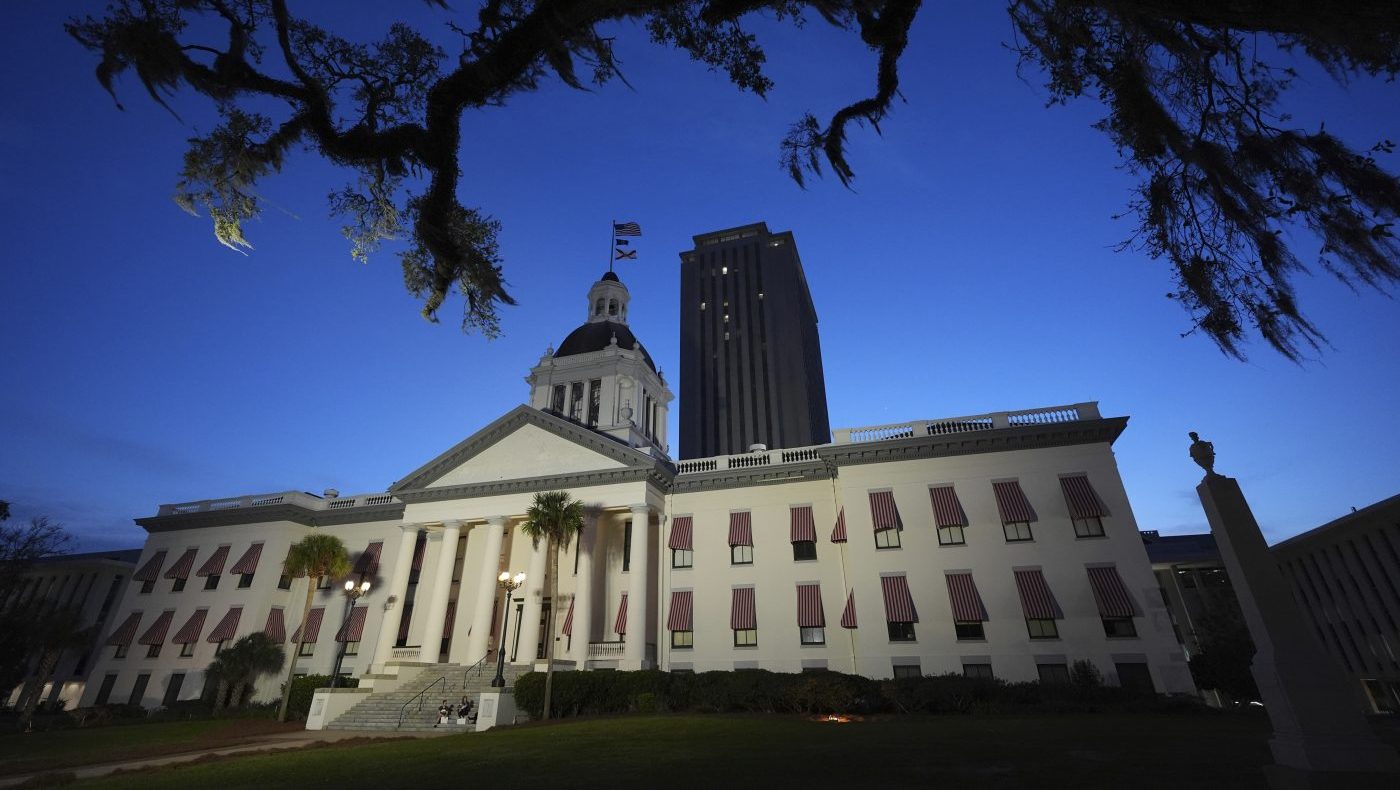
Florida took a significant step Tuesday toward reshaping its congressional map to favor Republicans, as both a Senate panel and a House committee advanced Governor Ron DeSantis's redistricting plan. The proposal, which aims to give the GOP a 24-4 majority in the state's congressional delegation, now moves to floor votes in both chambers.
The Senate Rules Committee and the House redistricting panel approved the map along party lines, reflecting the governor's aggressive push to maximize Republican gains ahead of the 2022 midterms. Florida currently holds 20 Republican and 8 Democratic House seats, but the new lines could flip several districts, giving the GOP a dominant edge. The full Senate and House must pass identical versions before the plan lands on DeSantis's desk for signature.

DeSantis has framed the map as a last opportunity for Republicans to solidify advantages before November, as other states have already completed redistricting. The governor's office argues the plan complies with federal law and the state constitution, but critics contend it violates Florida's anti-gerrymandering provisions. DeSantis has pushed an aggressive map that targets several Democratic incumbents.
According to Dave Wasserman of the Cook Political Report, the most endangered Democrats under the new map include Representatives Kathy Castor, Darren Soto, Jared Moskowitz, and Debbie Wasserman Schultz. Wasserman notes that the map could flip up to four seats, though some analysts believe three are more likely. The reshuffling would particularly affect districts in central and south Florida, where population shifts and partisan clustering have made lines contentious.
Legal challenges are widely expected. Florida's constitution includes clear language barring partisan gerrymandering and requires consideration of racial fairness—a provision DeSantis's legal team argues is unconstitutional. The governor's office contends that federal courts may soon limit the use of race in redistricting, citing a pending Voting Rights Act case before the U.S. Supreme Court. They suggest that if the racial provision is struck down, the entire 2010 constitutional amendment—including the partisan gerrymandering ban—could fall.
Critics have pointed to a color-coded map first shared with Fox News Digital, which showed Democratic and Republican districts in blue and red, as evidence of partisan intent. The map's aggressive tilt has raised questions about its compliance with the state's Fair Districts amendment, which voters passed in 2010 to prohibit drawing lines that favor a party or incumbents. Some observers, including California Governor Gavin Newsom, have warned that the push could backfire, potentially energizing Democratic turnout or triggering court-ordered redraws.
The timeline remains tight. With the primary election approaching, the legislature must act quickly to avoid further chaos. The redistricting process has already left incumbents and candidates in limbo, as uncertainty over district lines delays campaign planning. If the map passes, it will almost certainly face lawsuits from voting rights groups and Democrats, who argue it dilutes minority representation and violates the Voting Rights Act.
DeSantis's team has signaled readiness to defend the map in court, arguing that the state's anti-gerrymandering language is outdated and that the U.S. Constitution's equal protection clause should take precedence. The outcome could set a precedent for how states balance federal and state redistricting standards. For now, all eyes are on the Florida legislature as it prepares for what promises to be a contentious floor debate.