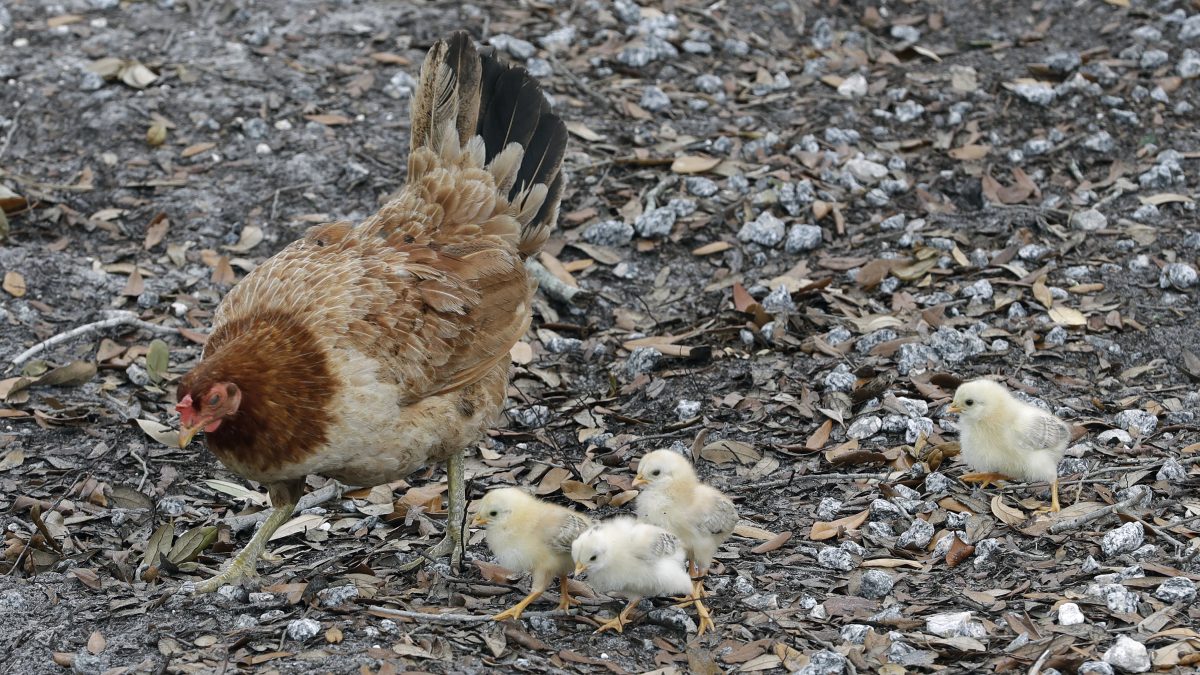
The Centers for Disease Control and Prevention has issued a warning about a multi-state outbreak of potentially drug-resistant salmonella tied to backyard poultry. As of last week, 34 confirmed cases have been reported across 13 states, with a significant number involving young children.
According to the CDC, all patients carry the same strain of the bacteria, which appears to be resistant to the antibiotic fosfomycin. Lab samples from eight patients also showed resistance to other common treatments for salmonella, raising concerns about the effectiveness of standard medical interventions.

Michigan leads with six cases, followed by Ohio and Wisconsin with five each. Indiana, Kentucky, and Maine have three cases apiece, while Maryland and West Virginia have two. Florida, Illinois, Mississippi, New Hampshire, and Tennessee each report one infection.
The patients range from less than a year old to 78, with a median age of just 12. Roughly a dozen of those sickened are under age 5, and 13 have required hospitalization. The CDC notes the actual number of infections may be higher, as cases were reported between late February and late March.
Health officials interviewed 29 patients; 23 reported contact with backyard poultry in the week before falling ill. Fourteen owned such birds, and all but one had acquired new poultry since the start of the year. Investigators are working to identify a common source.
The agency emphasizes that any backyard birds—including chickens and ducks—can carry salmonella. Infection can occur simply by touching contaminated environments, then touching your mouth or food without washing hands. The CDC advises against letting children under 5 handle birds or their materials, as they are more vulnerable to severe illness.
Salmonella symptoms include diarrhea, fever, and stomach cramps, appearing six hours to six days after exposure. Most recover in four to seven days without treatment, but young children, the elderly, and immunocompromised individuals may face more serious outcomes. Diagnosis requires lab testing of stool, tissue, or fluids.
To reduce risk, the CDC recommends washing hands after handling birds, their eggs, or any items from their habitat. Keep poultry gear outside and avoid wearing shoes used in the coop indoors. The agency also notes that salmonella causes about 1.35 million illnesses and 420 deaths annually in the U.S.
For more on the broader context of this outbreak, see CDC Warns of Drug-Resistant Salmonella Outbreak Linked to Backyard Poultry, Dozens Infected. Meanwhile, other public health events continue, such as the South Carolina measles outbreak ends after infecting nearly 1,000.