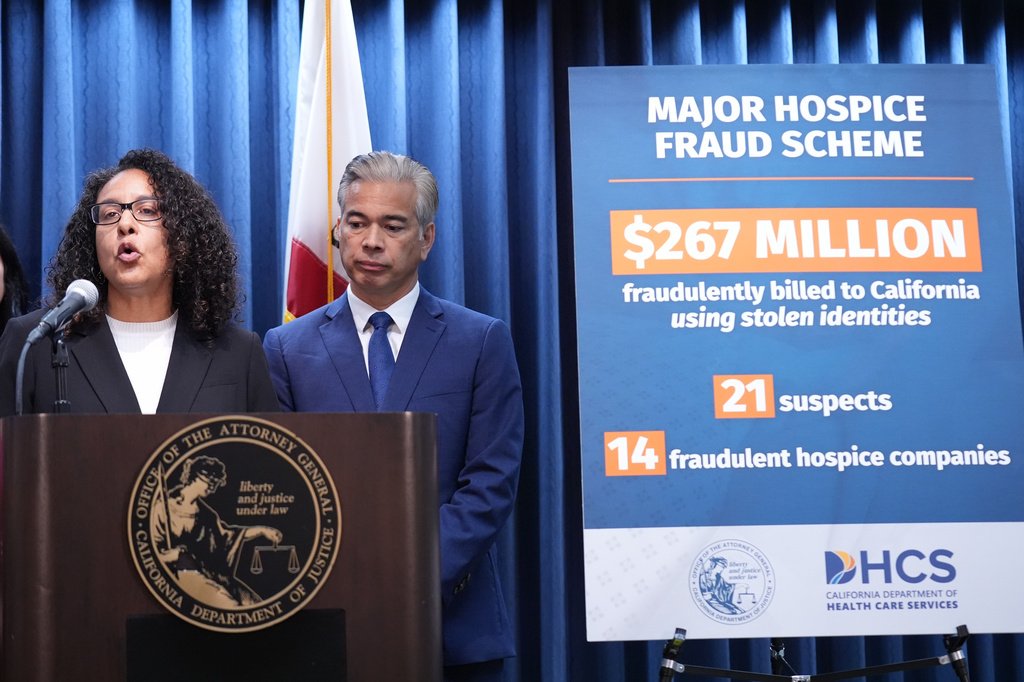
Hospice care offers critical support for patients nearing the end of life, but a wave of Medicare fraud—particularly in Los Angeles County—has eroded trust and cost taxpayers millions. Industry leaders and policymakers are now pushing for targeted reforms to strengthen program integrity without jeopardizing access for families who rely on these services.
Jennifer Sheets, CEO of the National Alliance for Care at Home, argues that while most hospice providers operate ethically, a minority of bad actors are damaging the entire system. “Egregious misuse of these systems has cost taxpayers millions of dollars that should be going directly to patient care,” she said. According to Sheets, several hospices have already closed due to the fallout, further limiting access.

Trust is a cornerstone of hospice care. A recent study found that older adults rank trustworthiness as extremely important when choosing a provider. But fraud cases weaken that trust, potentially pushing patients away from home-based care and into more expensive settings. As public trust in government continues to decline, the stakes for hospice integrity are even higher.
Sheets acknowledged that the hospice community has long advocated for stronger oversight. “We are working together and with leaders in Washington to strengthen program integrity so that fraudulent entities are held accountable without undermining Americans’ access to high-quality hospice services,” she said.
Proposed reforms include strengthening enrollment controls, data-driven risk-based oversight, regulatory tools, public transparency, and contractor accountability. The Centers for Medicare and Medicaid Services is expected to adopt some of these measures. Sheets emphasized that any safeguards must be carefully designed to avoid penalizing legitimate providers.
“We must not paint all hospice providers with the same broad brush, lest we penalize quality providers who are already meeting program requirements,” she warned. The goal is to eradicate fraud while preserving the benefit that has served millions since President Ronald Reagan signed it into law.
The push for reform comes as the healthcare system faces broader challenges, including rising costs and workforce shortages. Sheets called on Congress and the administration to act swiftly, noting that the hospice community is ready to partner on solutions. “There is absolutely no room for fraud, waste or abuse,” she said.
For now, the focus remains on balancing enforcement with access, ensuring that families can continue to rely on hospice care during their most vulnerable moments.