North Korea is in the midst of a rapid diplomatic overhaul, reshaping its relationships with key global players. The regime under Kim Jong Un is moving closer to Beijing and Moscow while creating distance from its longtime partner Tehran. Analysts say this strategic pivot is driven by a single goal: securing Washington's recognition of North Korea as a nuclear weapons state.
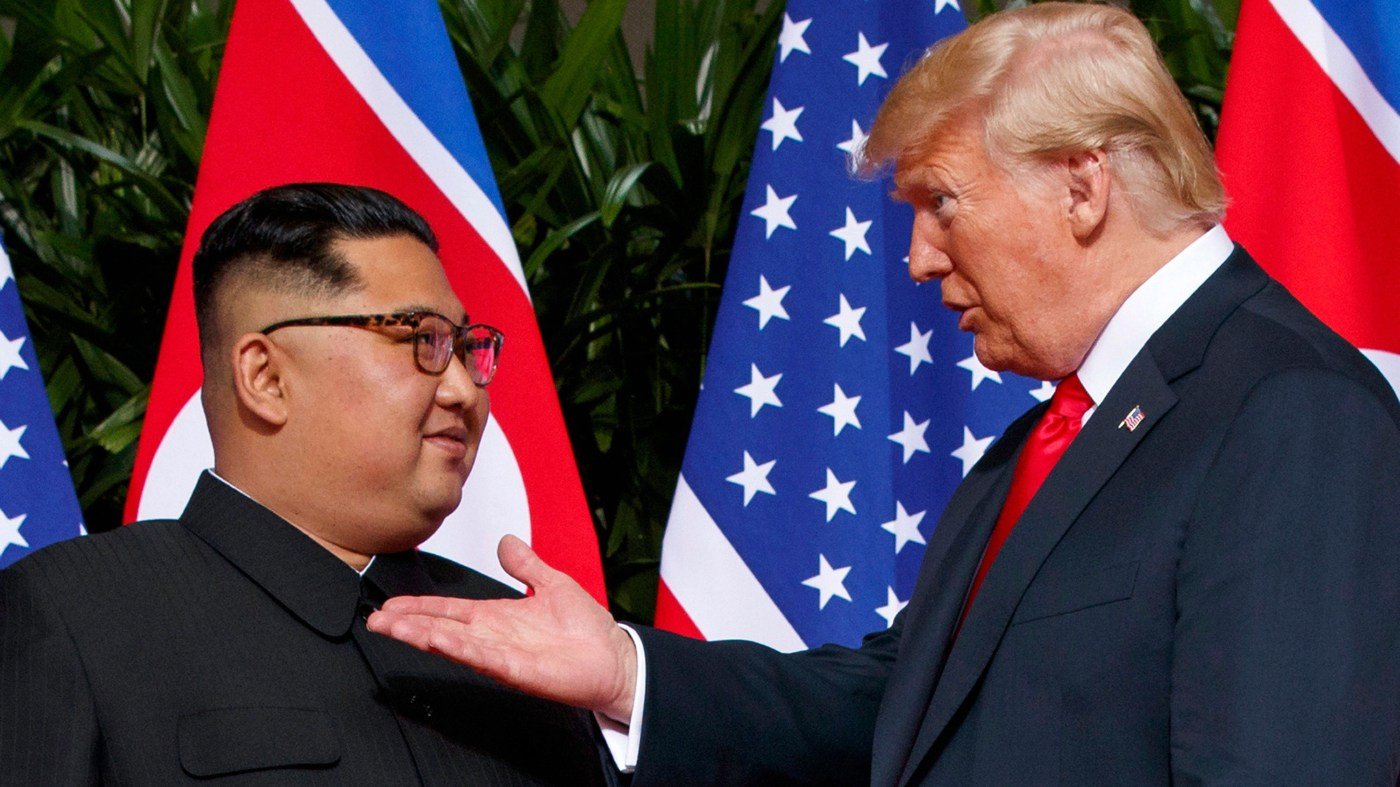
“The entire goal for the North is to be recognized as a nuclear state and therefore to secure regime stability,” Kim Jong-won of the Institute for National Security Strategy told the Korea Times. Such recognition would bolster the Kim family's legitimacy and standing, and the Supreme Leader appears to believe Donald Trump might be the one to grant it.
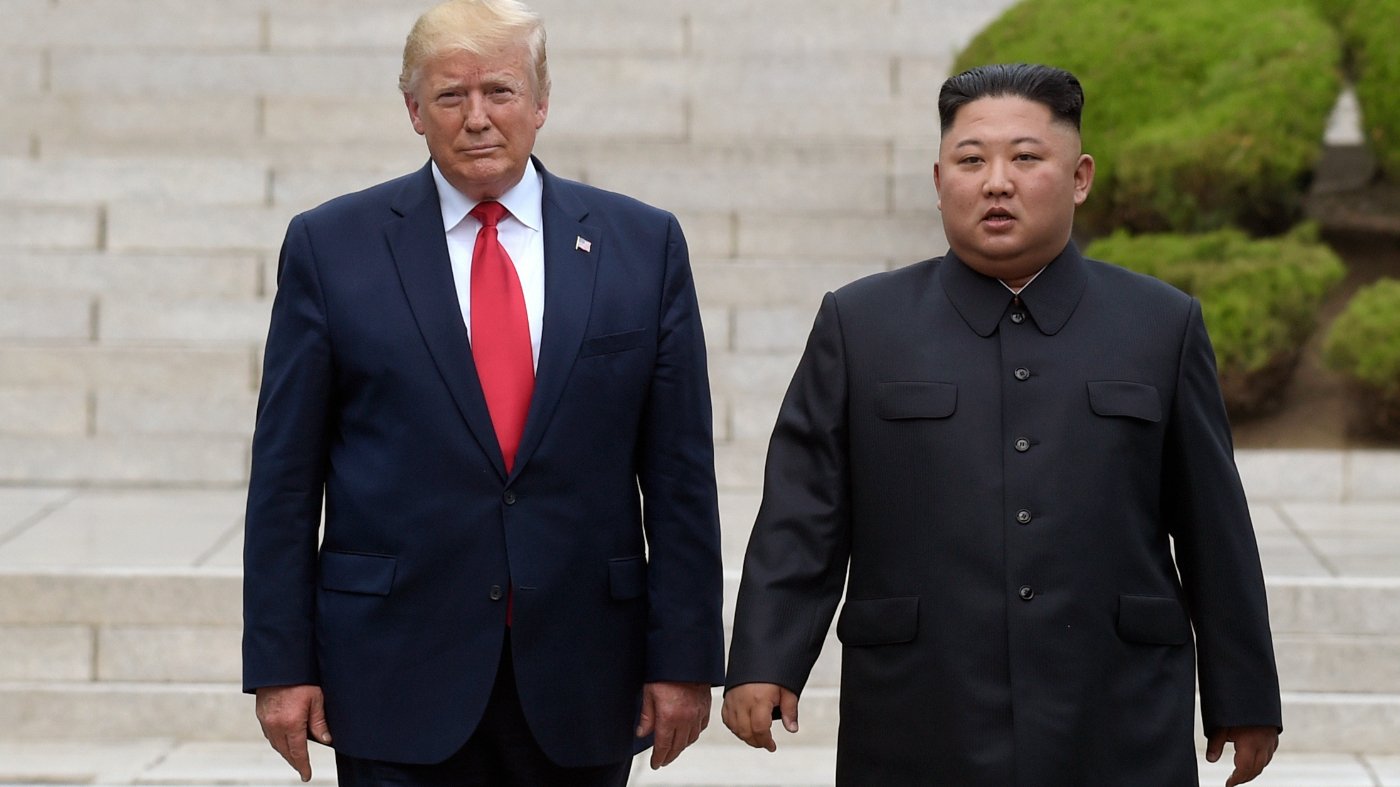
Trump made history during his first term by meeting Kim in 2018 and stepping onto North Korean soil at Panmunjom in 2019. But the Hanoi summit in February 2019 ended in failure, with reports that Kim felt humiliated by his inability to sway the American president. Now, Kim is making another play for Washington's favor. “We have no reason not to get along with the United States if it respects our country’s current status, as defined in the North Korean constitution, and drops its hostile policy toward North Korea,” Kim reportedly said in late February at the Ninth Congress of the ruling Workers’ Party. He added that “our status as a nuclear-armed country plays an important role in deterring enemies’ potential threats and maintaining regional stability.”
Kim has amended North Korea's constitution multiple times to enshrine its status as a nuclear weapons state. Some observers predict a Trump-Kim meeting later this year, possibly in Beijing if Trump travels there for a delayed summit with Xi Jinping. To create leverage, Kim is distancing himself from Iran—a pariah state—and seeking big-power backing. Joung Eun-lee of the Korea Institute for National Unification describes this as chasing “two rabbits”: China and Russia.
Since Trump's first term, Kim has secured Beijing's support. In 2021, Pyongyang persuaded China to extend their 1961 Treaty of Friendship, Cooperation, and Mutual Assistance for another 20 years. Then came Moscow. Kim and Vladimir Putin met in September 2023 near Vladivostok, and soon after, North Korea began supplying Russia with artillery shells, short-range ballistic missiles, and soldiers for the war in Ukraine. Putin visited Pyongyang the following June, signing a treaty with a mutual-defense clause and elevating relations to a “Comprehensive Strategic Partnership.” Now, both China and Russia are obligated to protect the belligerent North Korean state.
Trump has a soft spot for Kim, as he told reporters earlier this month: “I get along very well with him. He said very nice things about me.” Yet Trump is taking America's nuclear nonproliferation policy seriously. Unlike his predecessors, he acted decisively with Operation Midnight Hammer strikes on Iran's nuclear facilities at Natanz, Fordow, and Isfahan last June during the Twelve-Day War, and launched a full assault on the regime beginning Feb 28. The current war followed Iranian boasts of possessing 460 kilograms of 60 percent-enriched uranium—enough for about a dozen atomic devices after further enrichment.
It remains unclear whether Trump will take a different approach with North Korea and legitimize its illicit nuclear program. Kim hopes so, but his warm relationships with China and Russia could convince Trump that Pyongyang is a threat, not a partner. As tensions simmer, the White House faces a complex calculus: balancing nonproliferation commitments with the allure of a historic diplomatic breakthrough.
Relatedly, the Trump administration's handling of foreign policy has been tested by GOP infighting over DHS funding and broader US-UK tensions over the Iran war. Meanwhile, Kim's maneuvering echoes the kind of high-stakes diplomacy that could reshape the Korean Peninsula.