South Carolina's public health officials declared an end Monday to the state's measles outbreak, the worst in the United States in more than three decades, after the state went 42 consecutive days without a new case linked to the cluster.
The outbreak, centered in northwestern Spartanburg County, sickened 997 people since October, with at least 21 requiring hospitalization, according to voluntary reports to the state. The response cost an estimated $2.1 million, officials said.

“The outbreak was predominantly contained to one area of one county and never went statewide, thanks to timely investigations, identification of those exposed, and people’s willingness to stay home,” said Dr. Edward Simmer, interim director of the South Carolina Department of Public Health.
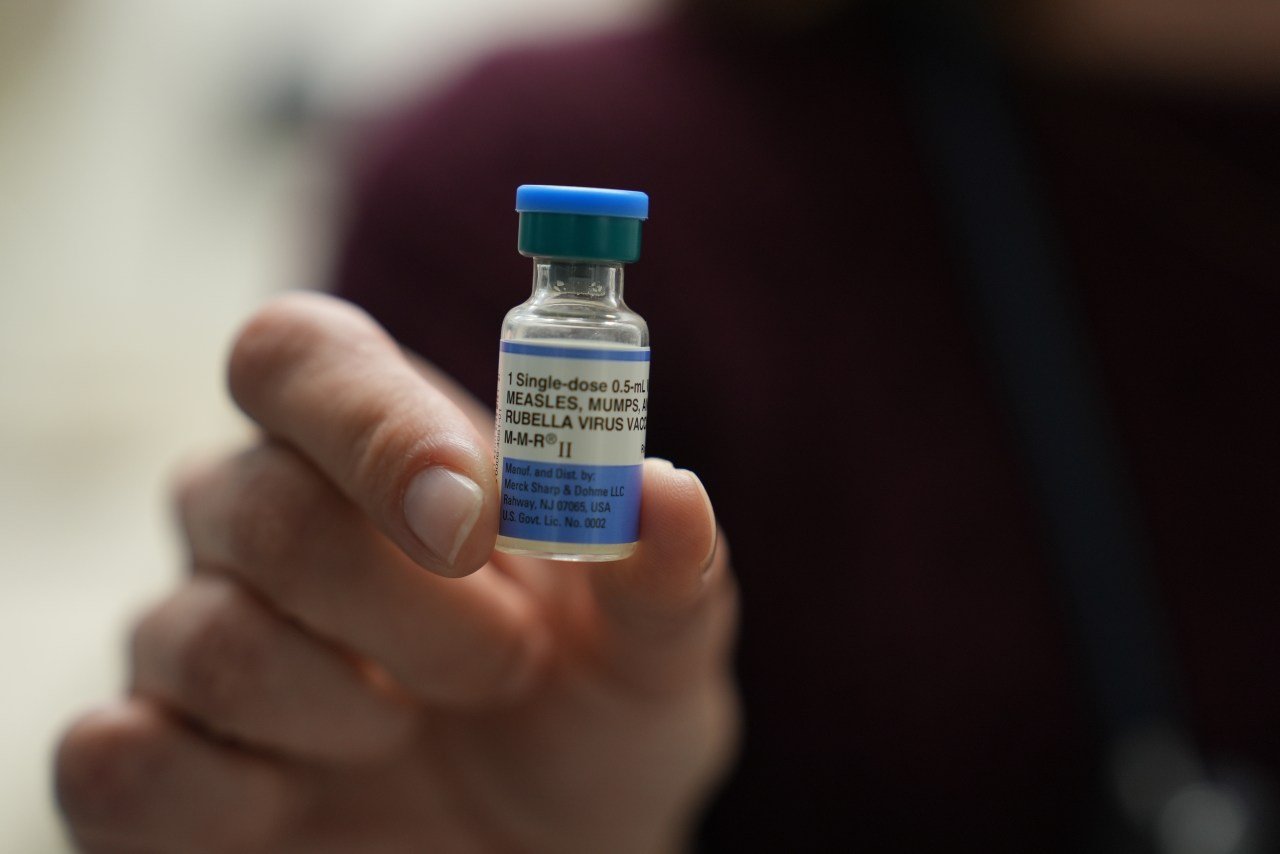
Measles, one of the most contagious viruses known, typically causes fever, cough, runny nose, and a rash. However, young children and immunocompromised individuals can develop severe complications such as pneumonia, brain swelling, or death. The disease can also lead to long-term health issues for survivors. The measles vaccine is safe and 97% effective after two doses.
The outbreak spurred a significant vaccination push. From October to March, public health workers, doctors, and pharmacies administered nearly 82,000 measles vaccines, a 30% increase over the same period the prior year. In Spartanburg County, vaccinations jumped 94%. The health department also sent nearly 2,300 quarantine letters, made over 1,670 case investigation calls, and quarantined 874 students across seven school districts.
Nationally, measles continues to spread. The U.S. has logged 1,792 cases this year, nearly 80% of 2025's record total, with 22 new outbreaks. Florida has 134 cases, Texas 180, and a growing outbreak on the Arizona-Utah border has sickened hundreds. Utah has reported 607 cases since August, and Mohave County, Arizona, has 282. Genetic analysis suggests the Utah outbreak may have started six weeks earlier than reported and could be larger than known, according to research presented at a CDC conference.
Dr. Ellie Brownstein, a Utah pediatrician and president-elect of the state's American Academy of Pediatrics chapter, said cases have slowed but it's too early to declare an end. “It has marched through the state and is everywhere,” she said.
South Carolina remains vigilant. Last week, a case linked to international travel in Saluda County led to 41 quarantines. “We are certainly not letting our guard down,” said Dr. Brannon Traxler, the state's chief medical officer. The virus has resurged across the Americas since a major Canadian outbreak in fall 2024. U.S. childhood vaccination rates have declined as more parents opt out of school-required shots. In November, international health officials will decide whether the U.S. retains its measles elimination status, held since 2000.
Dr. Martha Edwards, president of the South Carolina AAP chapter, expressed a mix of gratitude and anger. “I’m angry that many children and their parents had to worry about contracting or suffering through a disease that should have been nearly 100% preventable,” she said.
For context, a related hearing saw Senator Cassidy confront Kennedy on measles preparedness and abortion pill rules. Meanwhile, political dynamics continue to shape public health debates, as political groups drive nearly all book challenges in 2025.