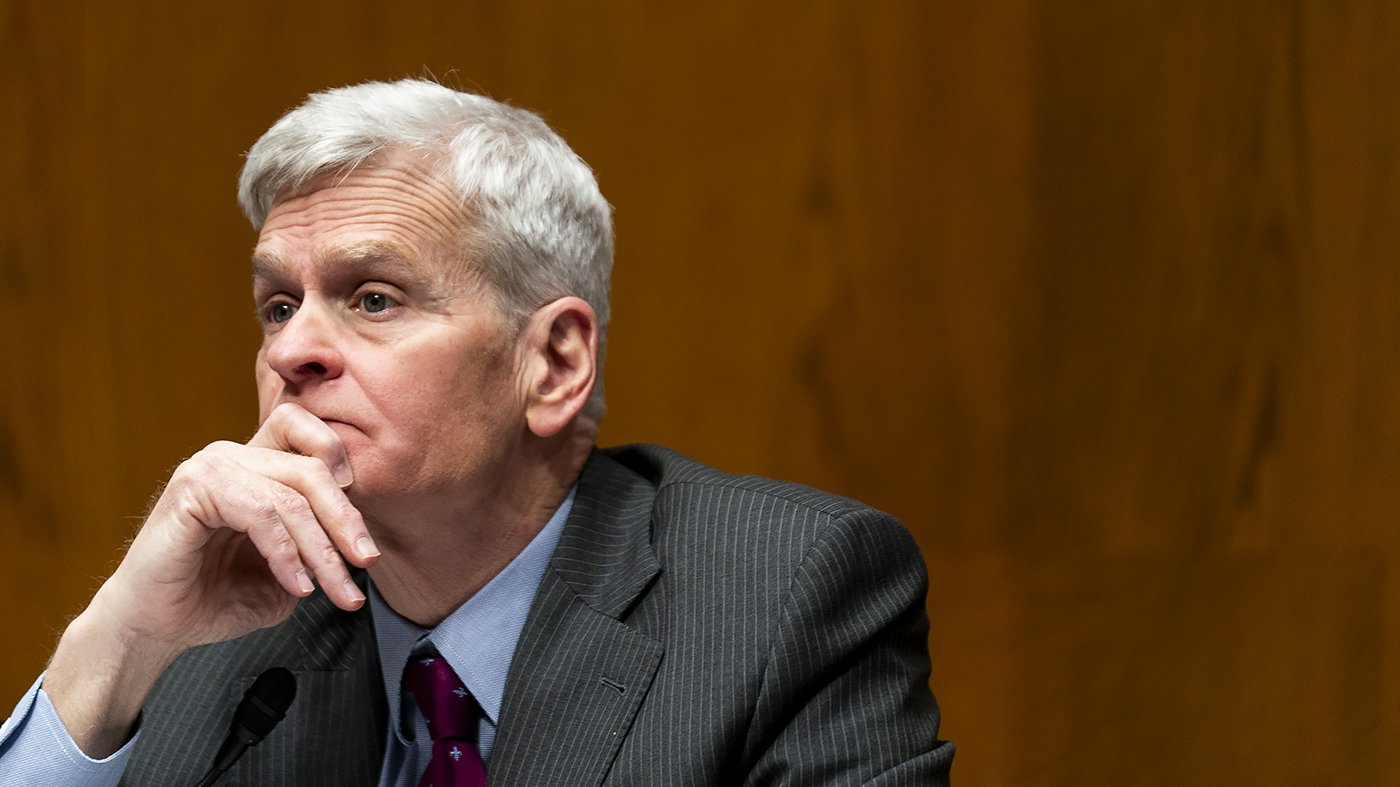
In a final congressional hearing before his departure, Health and Human Services Secretary Robert F. Kennedy Jr. faced pointed questioning from Senate Health, Education, Labor, and Pensions Committee Chairman Bill Cassidy over two contentious health policy fronts: the regulation of abortion medication and federal preparedness for vaccine-preventable disease outbreaks.
The Louisiana Republican, a physician, opened his line of inquiry by challenging Kennedy on the Biden administration's reversal of a rule requiring in-person dispensing of abortion pills. "Why has the department not acted with greater urgency on reinstating the in-person dispensing requirement?" Cassidy demanded, referencing the policy shift that occurred earlier in the administration. Kennedy declined to address the substance of the question, stating he was "unfortunately, not able to talk about that," a response Cassidy characterized as "frustrating." This exchange follows other significant policy debates, such as the recent Pennsylvania court ruling establishing a constitutional right to abortion.

CDC Leadership and Vaccine Policy Autonomy
Cassidy then turned to the recent nomination of Erica Schwartz to lead the Centers for Disease Control and Prevention, a selection he praised given her public support for vaccinations. The senator questioned whether the next CDC director would possess the authority to make independent scientific decisions and reassign political appointees within the agency who might oppose vaccination efforts. Kennedy pushed back on Cassidy's framing of his department's staff but affirmed that the incoming director would indeed have that operational autonomy.
This line of questioning was informed by claims from the former CDC director, Susan Monarez, who alleged she was terminated for refusing to automatically approve vaccine policy changes recommended by an advisory panel reconstituted with Kennedy's ideological allies. The hearing highlighted ongoing tensions over vaccine policy shifts within the department, a theme consistent with Kennedy's previous testimonies.
Measles Threat Amidst Major International Events
Cassidy framed the discussion on vaccine autonomy as critically urgent due to two upcoming global events: the FIFA World Cup and the United States' 250th anniversary, which are expected to draw millions of international visitors. "Tourists from all over the world will come to the United States. Unfortunately, some of them will bring vaccine-preventable diseases like measles and unfortunately our measles immunization rates have fallen," Cassidy stated, directly asking Kennedy what preventive measures HHS is implementing.
After Kennedy offered a general defense of the nation's measles record, Cassidy pressed for specific actions. Kennedy responded, "I can tell you we are now — we are laser-focused on that. We have booths, testing booths and institutions all over the games." The senator's concern underscores a broader governmental focus on public health security during large gatherings, a topic that has also emerged in discussions on military vaccine mandates.
The hearing revealed significant pressure on Kennedy to articulate clear, actionable plans for both reproductive health policy and infectious disease containment. Cassidy's dual focus connected domestic regulatory decisions with international public health security, suggesting that the administration's approach to these issues will face continued scrutiny from congressional oversight committees. The session served as a capstone to Kennedy's tenure, reflecting the persistent political battles over science, autonomy, and public health authority that have defined his time at HHS.