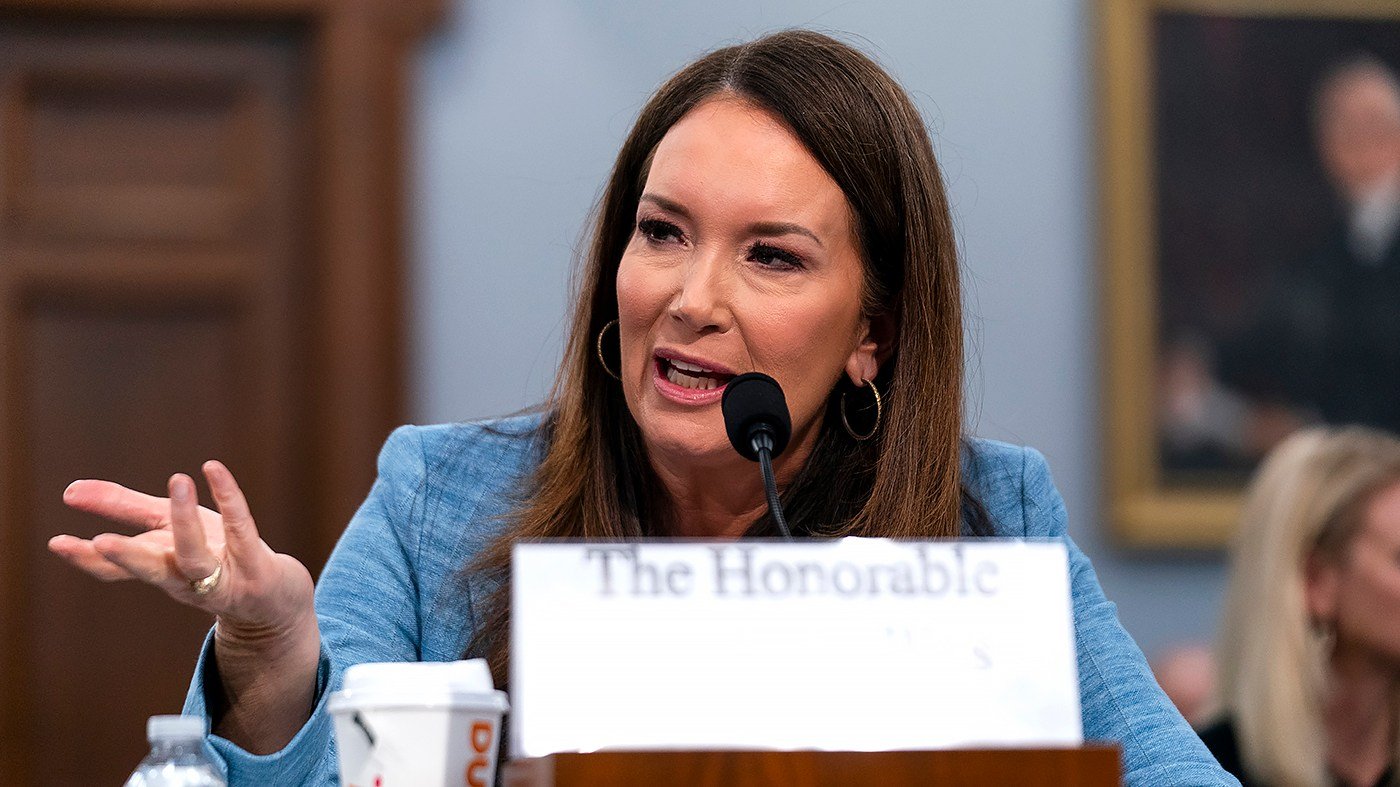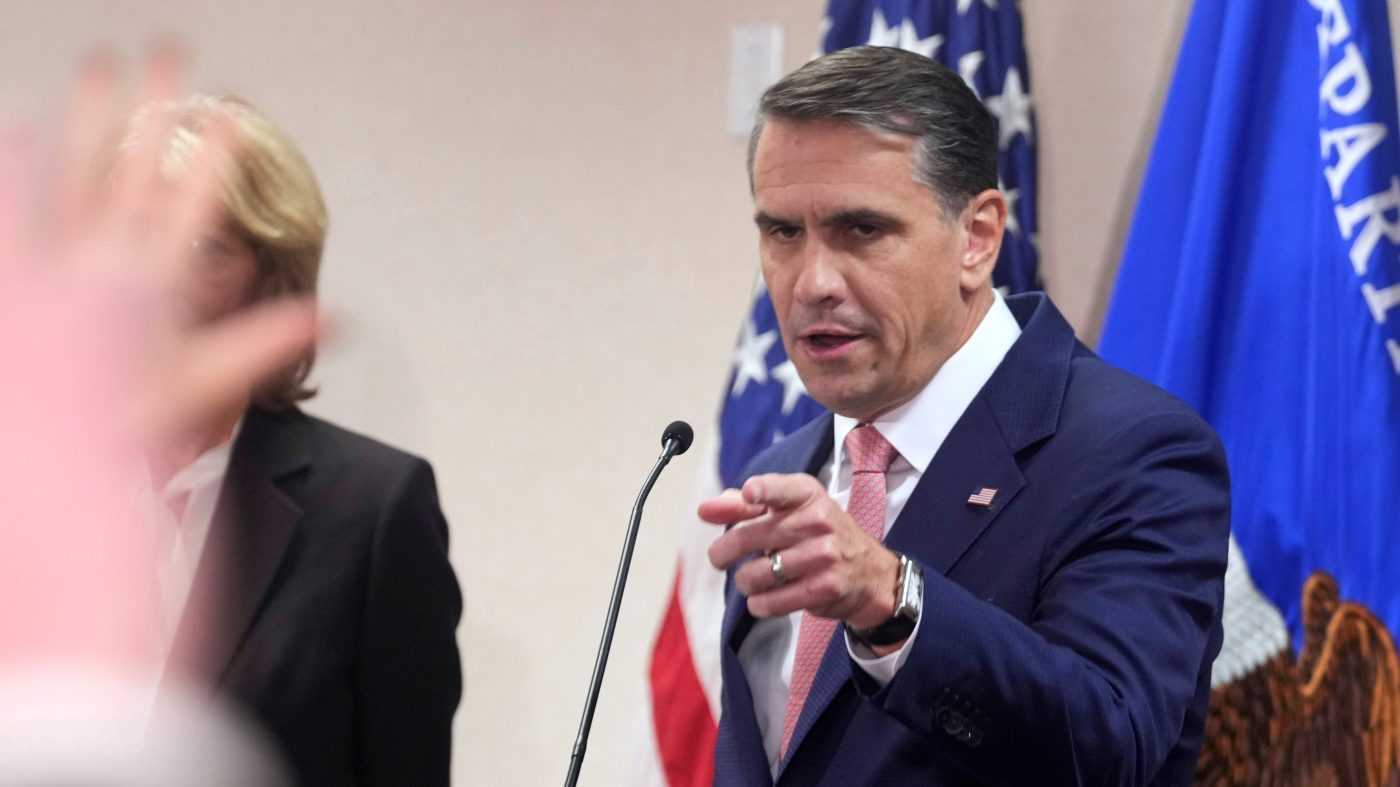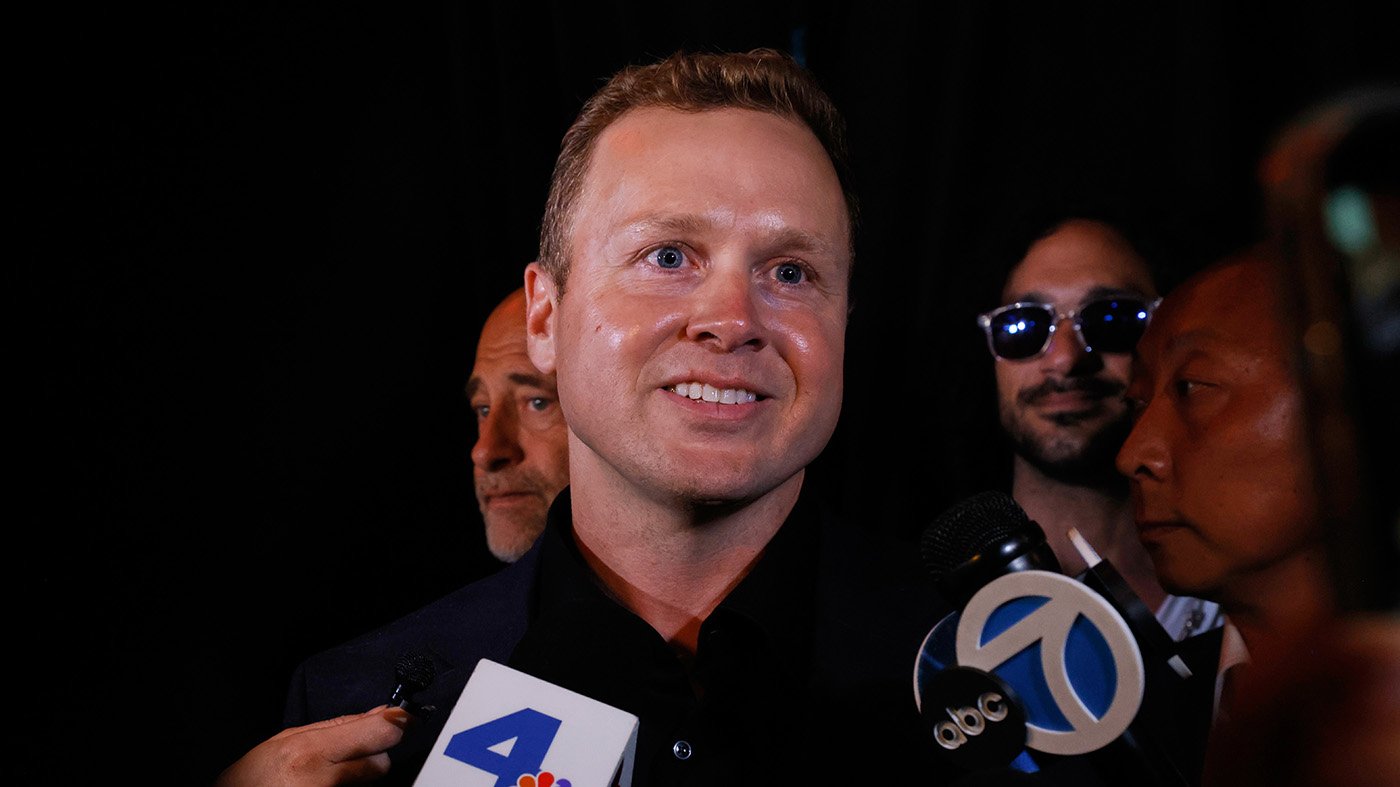
A growing number of celebrities, particularly from reality television, are appearing on ballots across the United States, testing the limits of fame as a substitute for political experience. Spencer Pratt, best known for his role on MTV's "The Hills," has surged to second place in the Los Angeles mayoral race, capturing 29.4% of the vote in recent polling by the Associated Press. His campaign, launched in January after he lost his home in the 2025 wildfires, has tapped into voter frustration with Democratic leadership, including Governor Gavin Newsom and Mayor Karen Bass, whom he accused of letting residents "burn."
This trend extends beyond Los Angeles. Luke Gulbranson, a star of "Summer House," is running as a Democrat for Minnesota's 8th Congressional District, challenging Republican incumbent Pete Stauber. In New Jersey, Michael Paul Sorrentino—better known as "The Situation" from MTV's "Jersey Shore"—has hinted at a future gubernatorial bid, promising to eliminate property taxes and expand his treatment centers nationwide. Meanwhile, Dr. Heavenly Kimes, of "Married to Medicine," recently lost a Democratic primary for a Georgia House seat.
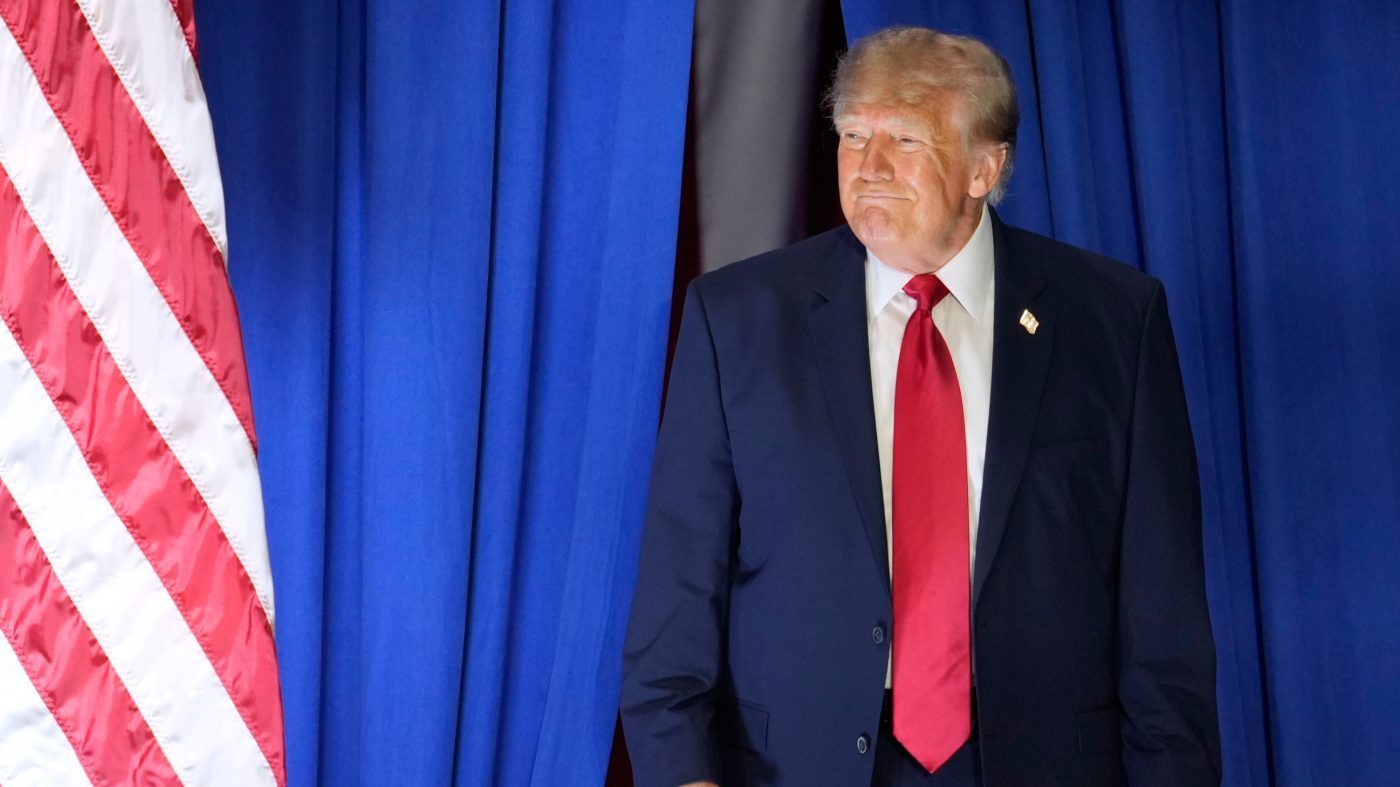
The phenomenon echoes the path of President Donald Trump, whose political rise began after his stint on "The Apprentice." His second administration includes several former TV personalities, such as Transportation Secretary Sean Duffy, a former MTV star; Dr. Mehmet Oz, the longtime talk show host; and Education Secretary Linda McMahon, a WWE veteran. Trump's Cabinet stars have stepped into the White House briefing spotlight, blending celebrity with governance.
Experts say name recognition is a decisive factor. Richard Longoria, a political science professor at the University of Texas Rio Grande Valley and author of "Celebrities in American Elections," noted that "name recognition is a very big deal; it's an important predictor of who's going to win." He added that celebrities benefit from being well-known, which gives them an edge over lesser-known challengers.
But Longoria cautioned that "the normal laws of politics" still apply. Fundraising remains a hurdle, as "big money donors are not looking for outsiders." He observed that celebrities often struggle to capture the financial backing needed to unseat incumbents. Pratt's campaign, however, has used creative tactics, including AI-generated ads that portrayed Mayor Bass as the Batman villain "The Joker," resonating with voters angry over homelessness and drug crises.
Jordan C. Brown, a Democratic strategist, argued that Pratt's appeal stems from public desperation. "People are just not seeing progress as quickly as they would want, and the reasons why it's not happening fast are boring and convoluted," he said. "They're desperate to try something else." Van Jones has warned that Pratt's surge signals a voter revolt against California Democrats, underscoring the broader political shift.
Gulbranson, in his campaign announcement, emphasized that "Congress should work for the people again—not special interests, not party politics, and not the president," citing rising costs and job losses in Minnesota. Sorrentino, who co-founded Archangel Centers for addiction treatment, said he aims to "save lives" before introducing "Governor Situation" to New Jersey, though he hasn't specified a party affiliation.
Historical precedents abound. Sonny Bono transitioned from pop star to mayor and U.S. House member; Arnold Schwarzenegger moved from acting to California's governor; and Ronald Reagan spent decades as an actor before entering politics. Elaine Kamarck, a senior fellow at the Brookings Institution, stressed that successful celebrity candidates must genuinely engage with policy. "If they follow it, they want to know stuff about it, they have some ideas, they want to make it better," she said, citing Reagan as an example.
As the 2025 election cycle unfolds, the reality TV wave is reshaping local and federal races. Bass has clinched a runoff spot in the LA mayoral race, but Pratt's narrow lead over Raman suggests that celebrity-driven campaigns are a force to reckon with. Whether this trend translates into lasting political power remains uncertain, but for now, fame is proving a potent ballot-box asset.