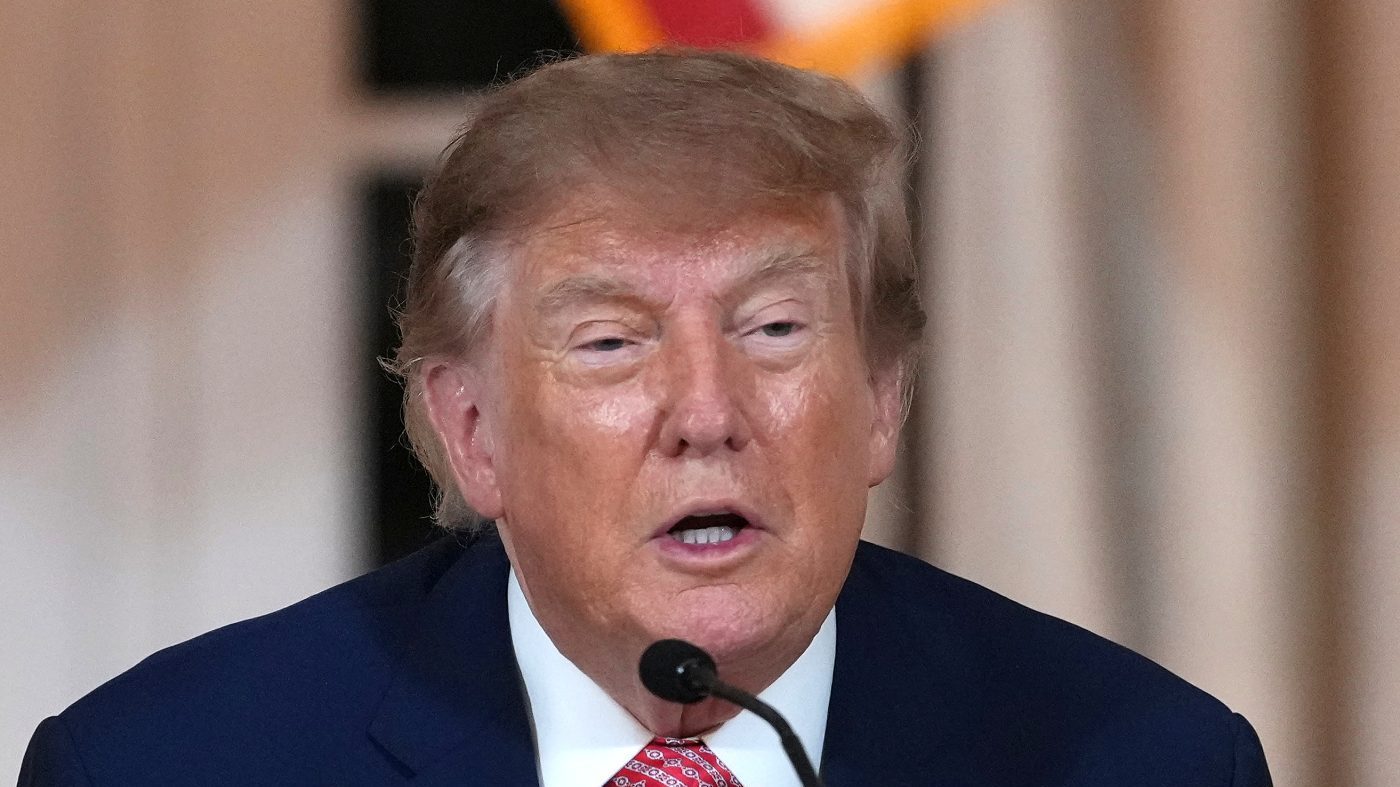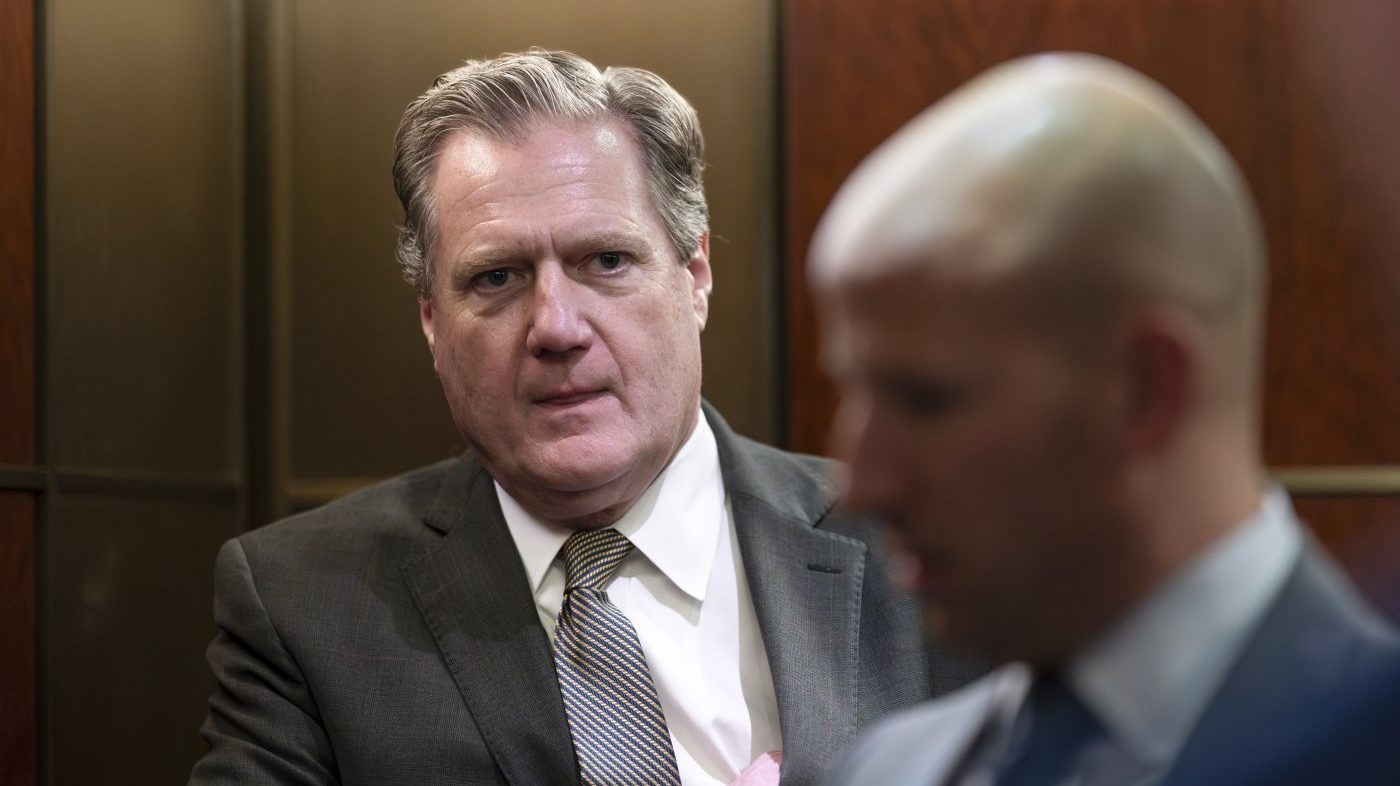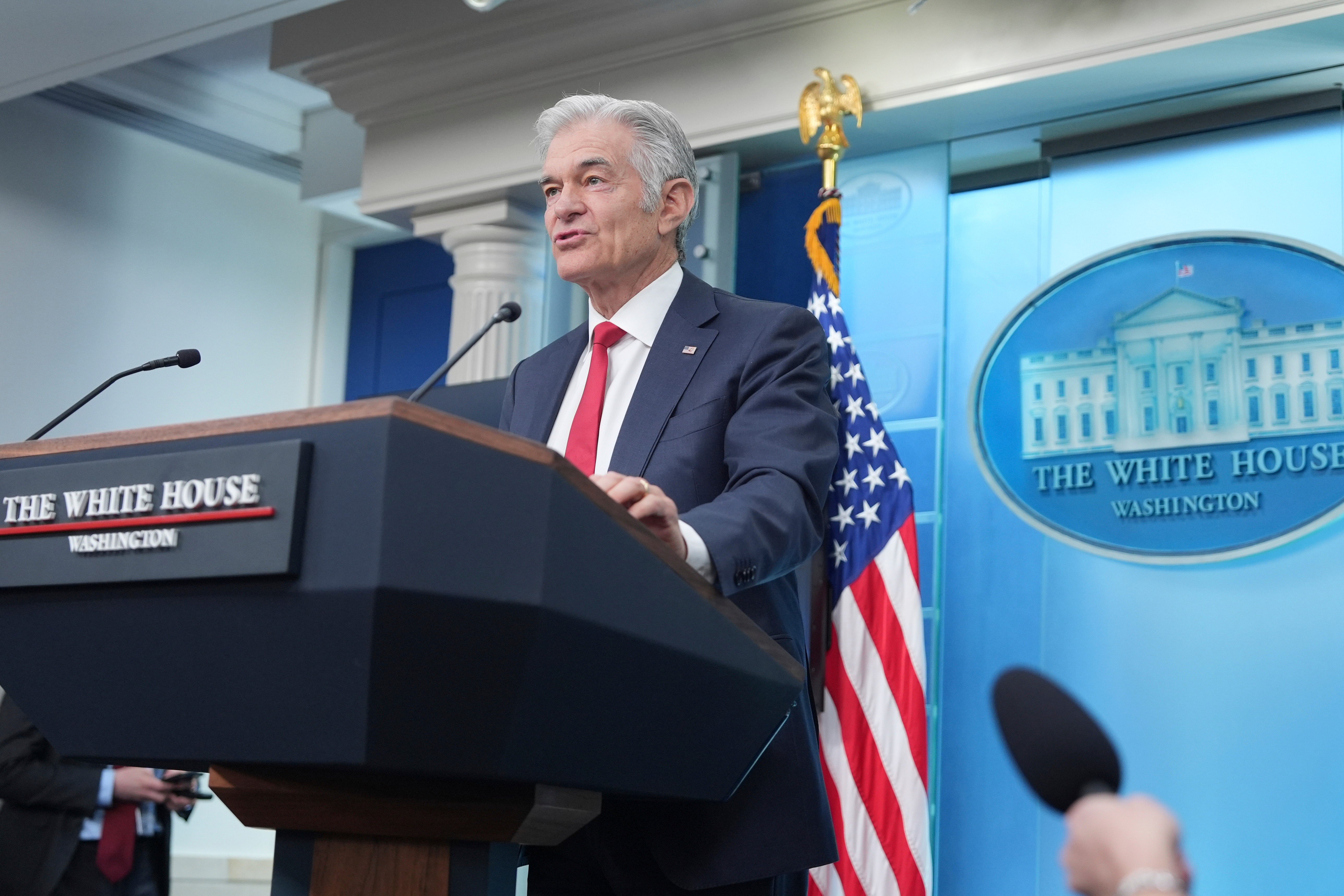
Washington has a new parlor game: grading the performances of senior Trump administration figures who have taken the podium as stand-in White House press secretaries. With press secretary Karoline Leavitt on maternity leave, the administration has rotated in high-profile Cabinet members and agency heads—Secretary of State Marco Rubio, Vice President JD Vance, Treasury Secretary Scott Bessent, and Centers for Medicare and Medicaid Services Administrator Mehmet Oz—each bringing their own style to the briefing room.
Oz, the latest to step up on Tuesday, offered effusive praise for his predecessors. He called Bessent's dry humor “fabulous,” described Rubio as “an earnestly funny person,” and labeled Vance's performance “spectacular—just very on his game.” The former TV doctor added that he watched all three briefings to prepare, quipping, “I’m a doctor; I try to do my homework.”
The novelty of seeing top officials in this role—rather than a deputy press secretary—has captivated the political and media elite. GOP strategist Brad Blakeman, a former Bush White House aide, called it “must-see TV for people in that world,” noting the intrigue of watching figures like Rubio and Vance navigate an unfamiliar setting. Others in Trump’s orbit downplay the surprise, pointing out that these officials have been public figures for years and are among the administration’s most polished TV performers—a quality President Trump has long prized.
The four guest briefers also share a relatively upbeat, less combative demeanor compared to other senior aides like deputy chief of staff Stephen Miller or communications director Steven Cheung, neither of whom has filled in. “They are, by and large, the least controversial,” said Republican strategist Doug Heye. Rubio, in particular, leaned into self-deprecation during his May 5 appearance, apologizing for not knowing reporters’ names and remarking, “This is chaos, guys.” Vance, briefng on May 19, mixed humor—joking about a cheat sheet—with sharper edges, telling one reporter to “have a little bit of objectivity.”
The pair’s appearances also fueled speculation about the 2028 Republican presidential race, with both widely seen as potential contenders. Their juxtaposition drew comparisons to Trump’s old reality show The Apprentice, as each tried to make a favorable impression. The White House praised all four, with assistant press secretary Olivia Wales stating that “Vice President Vance, Secretary Rubio, Secretary Bessent, and Dr. Oz have each effectively shared the President and his administration’s record successes.”
Critics, however, note that guest briefers can dodge tough questions more easily than a full-time press secretary. Oz, for instance, pleaded ignorance when asked about the national security credentials of newly named acting Director of National Intelligence Bill Pulte, saying, “You’re asking me a question that’s out of my lane. I’m so focused on making sure Americans are healthy.” Similarly, Bessent, during his briefing last week, faced repeated questions on a potential Iran peace deal but stuck to circumspect answers, even admitting he hadn’t spoken to the president that day. Reporters largely avoided pressing Oz on the war with Iran, likely recognizing the limits of his expertise.
The pattern underscores a broader dynamic: these stand-in performances offer a curated view of the administration, where top officials can showcase their strengths without being held to the same accountability as a dedicated press secretary. As the Beltway continues to watch, the question remains whether this rotating cast will become a staple or a fleeting experiment.