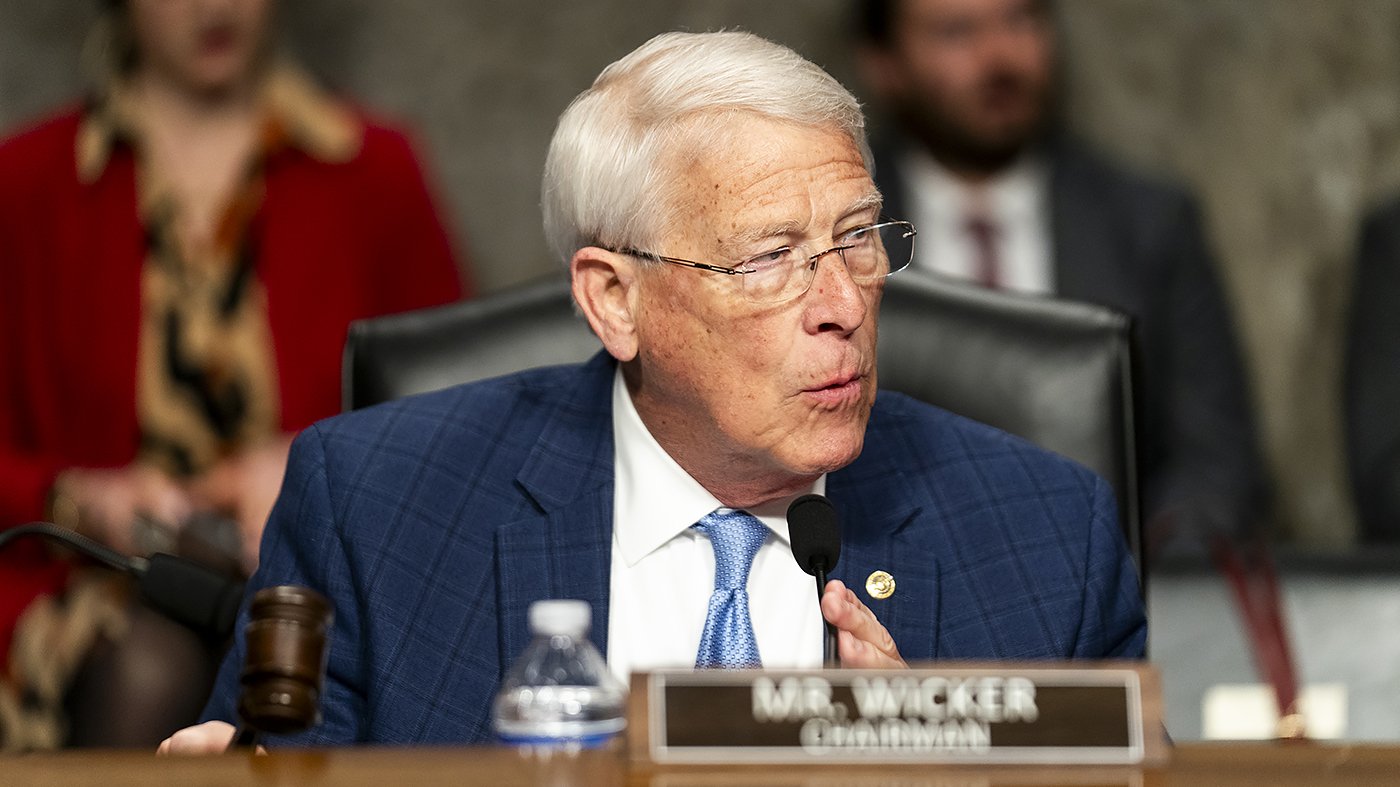
Senate Armed Services Committee Chairman Roger Wicker (R-Miss.) has publicly criticized a recent Pentagon decision to eliminate the mandatory influenza vaccination requirement for all U.S. service members, labeling the policy shift a significant error. The move, announced by Defense Secretary Pete Hegseth, ends a long-standing universal mandate for the seasonal flu shot across all military branches.
A Deliberate Distinction from COVID-19 Policy
In his critique, Wicker carefully distinguished the flu vaccine from the more politically charged COVID-19 vaccine mandate. He emphasized the flu shot's decades-long history of proven safety and effectiveness within the armed forces. "I don't equate them with COVID shots, which were largely experimental and had not stood the test of time," Wicker told reporters, referencing vaccines developed during the Trump administration's Operation Warp Speed. This contrast comes after the Pentagon's formal elimination of the flu shot requirement, a policy change that has sparked debate over military health protocols.
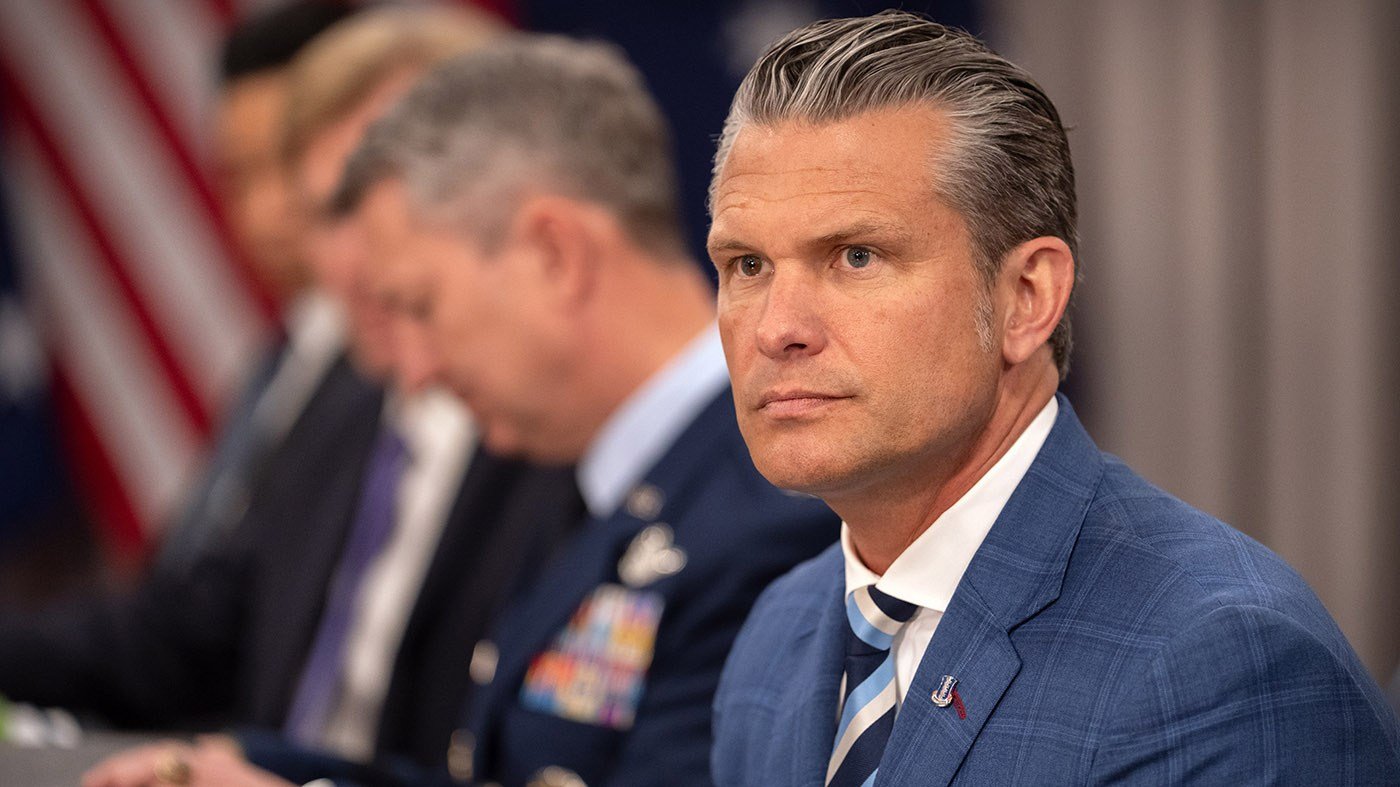
Hegseth Defends Policy Rationale
Defense Secretary Hegseth defended the new policy in a social media statement, arguing that a blanket mandate was unnecessarily broad. "The notion that a flu vaccine must be mandatory for every service member, everywhere, in every circumstance at all times is just overly broad and not rational," Hegseth stated. The decision reflects a broader trend of reevaluating military health mandates following the contentious rollout and eventual repeal of the COVID-19 vaccine requirement, which led to the discharge of over 8,000 active duty and reserve personnel between 2021 and 2022 for non-compliance.
Wicker, drawing on his personal military experience as both an active duty officer and a reservist, countered this rationale. "When I was on active duty and a reservist, I dutifully took my flu shot every year. And as a whole it made for a healthier armed forces," he said, suggesting the mandate contributed directly to overall force wellness and operational readiness.
Readiness Concerns and Broader Vaccine Landscape
When pressed on whether dropping the universal flu shot requirement would impact military preparedness, Wicker offered a measured assessment, responding simply: "Marginally." His concern highlights ongoing tensions between personal medical choice and collective force protection, a debate that extends beyond influenza to other required immunizations. Service members must still receive vaccines for a range of diseases including Hepatitis A and B, Measles, Polio, Tetanus-Diphtheria, bacterial meningitis, and chickenpox.
The senator's public disagreement with a Pentagon policy led by a Trump administration appointee underscores internal Republican divisions on vaccine policy and defense management. This dissent occurs within a wider political context where military appointments and health policies remain fiercely contested, similar to the partisan battles seen over key nominations in other sectors of the federal government.
Wicker's warning also touches on broader strategic concerns about force health during a period of heightened global tension. Maintaining a deployable, healthy fighting force is a constant priority for military planners, especially as the U.S. faces challenges from adversaries like Iran and navigates complex alliances. Discussions of military readiness, such as those highlighted in analyses of the UK's recent defense review, often cite personnel health as a critical component of national security.
The policy change and Wicker's reaction represent the latest chapter in the politically volatile debate over vaccines in the military—a debate that intersects with issues of medical authority, individual liberty, and collective defense. As the Armed Services Committee oversees Pentagon policy, Wicker's stance signals potential legislative scrutiny of the new voluntary approach during future budget and oversight hearings.