Judicial Order Halts Key Energy Permitting Rules
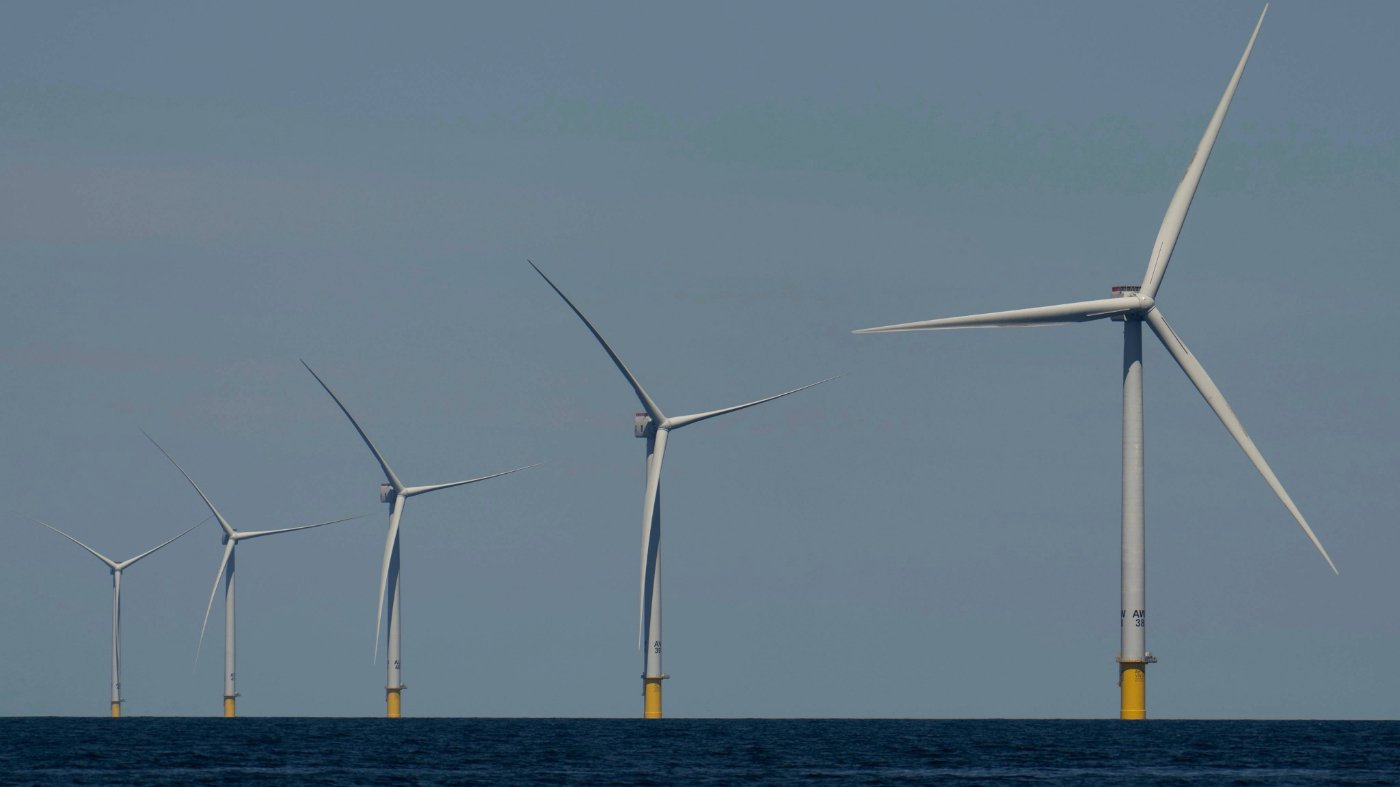
A federal judge in Massachusetts has dealt a significant procedural blow to the Trump administration's energy policy, issuing a preliminary injunction that suspends enforcement of regulations specifically targeting renewable energy development. The order prevents the Department of the Interior from applying contested rules to members of the trade associations that brought the lawsuit while the case proceeds.
Judge Denise Casper, appointed by President Obama, found the plaintiffs—a coalition of renewable energy trade groups—are likely to succeed on the merits of their claim that the policies unlawfully discriminate against wind and solar power. The ruling represents an immediate, though temporary, victory for an industry that has faced a series of regulatory hurdles from an administration that has consistently prioritized fossil fuel production.
Policies Targeted for Stricter Scrutiny and Space Limits
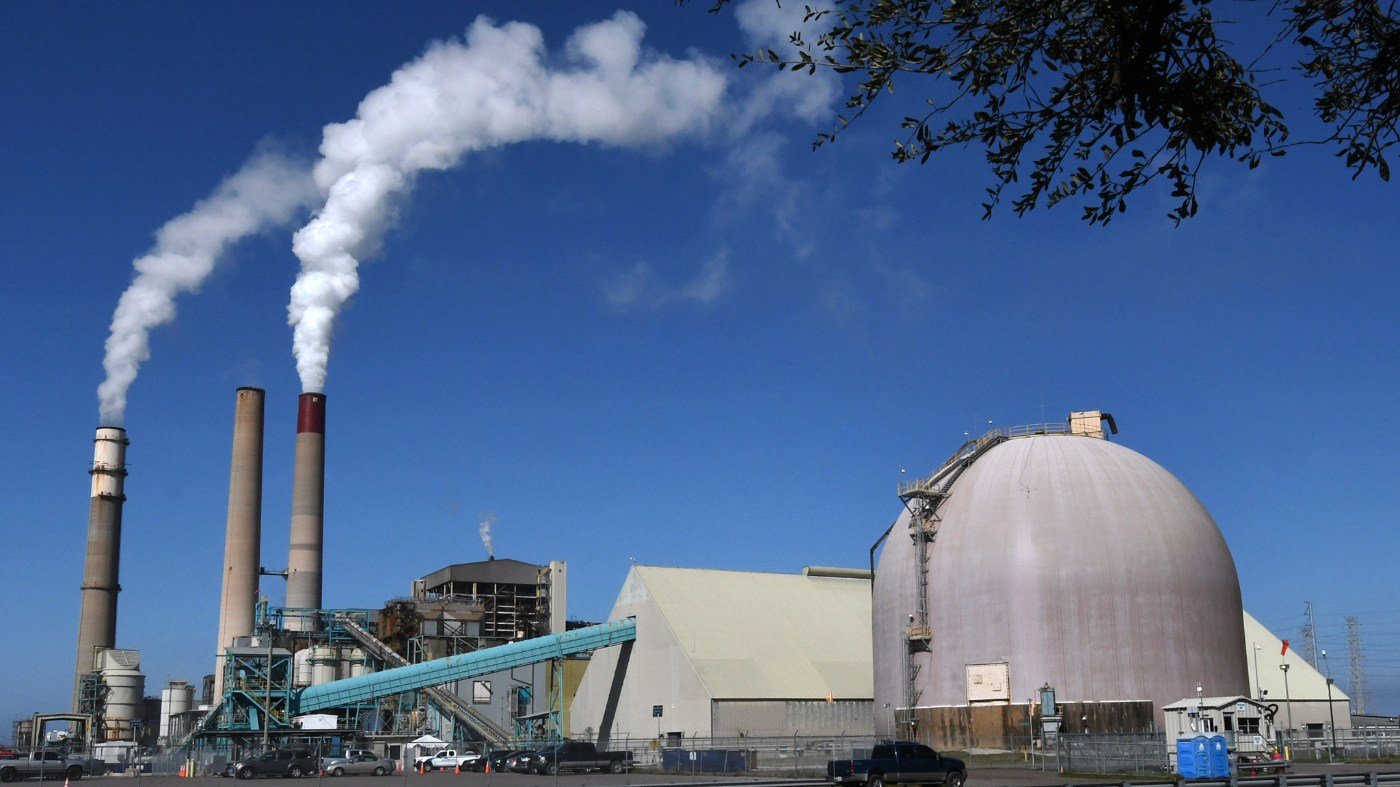
The blocked policies include two major regulatory changes. First, a mandate that solar and wind project applications undergo an elevated, time-intensive review directly by the Interior Secretary's office, a process expected to create substantial delays for new developments. Second, a rule seeking to prohibit energy projects that occupy large physical footprints on federal lands—a criterion that disproportionately affects sprawling solar farms and wind turbine installations, unlike more compact oil and gas infrastructure.
"Our coalition has demanded and received an immediate halt to the Trump administration's unlawful permitting actions, which have discriminatorily placed wind and solar technologies into second-class status," the plaintiff organizations said in a joint statement. They hailed the decision as "the first of many steps to bring more affordable energy options to people across the country," asserting that "clean energy is fast, affordable, and here to stay."
The Interior Department declined to comment on the ongoing litigation, but a spokesperson reiterated via email a common administration talking point: "America sets the global standard for energy production." This legal setback follows other challenges to the administration's energy agenda, including recent rulings that allowed construction of offshore wind farms to proceed despite White House opposition.
Broader Context of Energy and Regulatory Battles
This case fits within a broader pattern of judicial pushback against executive actions perceived as overreach. Similar tensions are evident in other policy arenas, such as the ongoing Senate clash over political influence on the Federal Reserve, where the independence of critical institutions is at stake. The ruling also intersects with high-stakes international energy politics, coming amid accusations from lawmakers like Senator Ed Markey, who has charged the administration with creating volatility in global oil markets through its posture in the Strait of Hormuz.
The injunction does not permanently strike down the rules but prevents their enforcement against the plaintiffs during litigation. It signals that the courts may view the administration's tailored regulatory approach to renewables as legally vulnerable. This development occurs as the administration continues to pursue an aggressive, multi-front policy agenda, from seeking a historic defense budget increase to engaging in contentious social policy debates.
For the renewable energy sector, the ruling provides temporary regulatory relief and a favorable legal signal. The underlying lawsuit will continue, with the plaintiffs now needing to prove their case for a permanent injunction. The outcome could significantly influence the pace and scale of renewable energy development on federal lands for years to come, making it a pivotal battle in the nation's ongoing energy transition.