Fed Nominee Confronts Independence Concerns Amid Trump Pressure
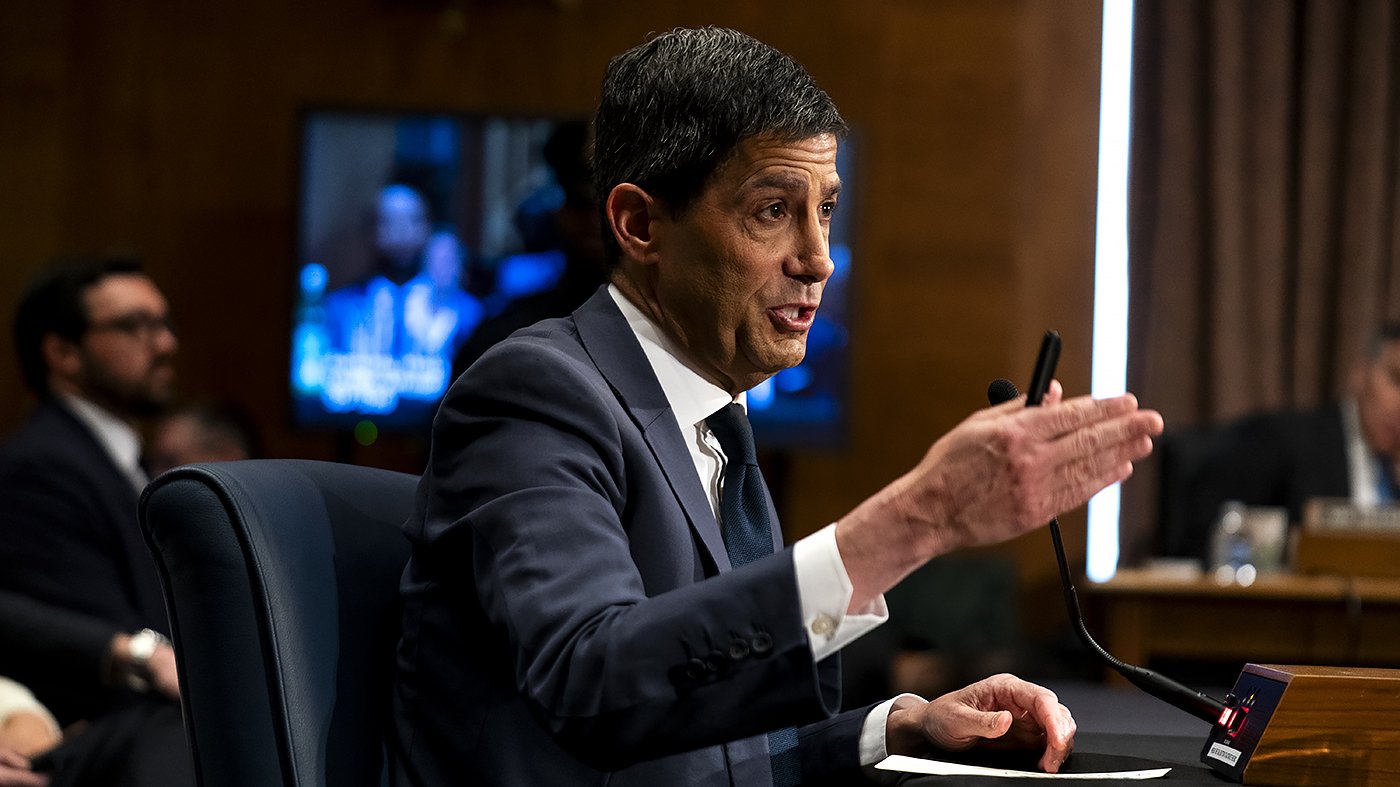
Kevin Warsh, President Trump's nominee for Federal Reserve Chair, encountered rigorous questioning from senators on Tuesday regarding the central bank's autonomy and his extensive financial portfolio. The hearing before the Senate Banking Committee unfolded against the backdrop of Trump's persistent campaign for lower interest rates and an ongoing Justice Department investigation into current Chair Jerome Powell.
Warsh asserted that "independence is up to the Fed" in his opening statement, emphasizing his commitment to maintaining monetary policy independence. When pressed by Senator John Kennedy (R-La.) about whether Trump had sought commitments on rate decisions, Warsh stated, "the president never once asked me to commit to any particular interest rate decision, period, and nor would I ever agree to do so if he had." This position earned support from Republicans like Senator Mike Rounds (R-S.D.), who called Fed independence "critical."
Democratic Skepticism Over Trump's Influence
Democratic senators expressed deep skepticism about Warsh's ability to resist presidential pressure. Senator Elizabeth Warren (D-Mass.), the committee's ranking member, argued Trump's actions extend beyond mere opinion-sharing. "The president has repeatedly and illegally attempted to take over the Fed," Warren declared, referencing Trump's attacks on Powell and Governor Lisa Cook as efforts to install loyalists. This scrutiny follows previous Democratic demands for delays over Warsh's opaque financial disclosures.
Senator Jack Reed (D-R.I.) highlighted Trump's Tuesday morning CNBC interview, where the president said he would be "disappointed" if Warsh didn't cut rates immediately. "This independence thing seems to have evaporated quite quickly between President Trump's statements and your positions," Reed told the nominee. Trump has threatened to fire Powell if he doesn't step down when his term ends May 15, though Powell can remain on the board until 2028.
Republican Divisions Threaten Confirmation
The nomination faces a significant hurdle from within Republican ranks. Senator Thom Tillis (R-N.C.) vowed to oppose Warsh as long as the Justice Department investigation into Powell continues, effectively blocking committee advancement without his support. "The problem I have is where we are right now," Tillis told Warsh, criticizing what he called a politically motivated probe approved by Trump ally U.S. Attorney Jeanine Pirro. This stance echoes Tillis's previously stated conditions for supporting the nominee.
Other Republicans urged resolution of the Powell matter to advance the nomination. Senator Katie Britt (R-Ala.) called for answers to "ensure that every institution, including the Fed, is always making decisions that are in the best interest of the American people." Senate Majority Leader John Thune (R-S.D.) similarly suggested last week that "it's in everybody's best interest to wrap up the investigation."
Wealth and Ethics Under Scrutiny
Warsh's substantial wealth became a focal point during the hearing. His ethics disclosure revealed financial assets valued between $131 million and $209 million. In a tense exchange with Warren about divestment plans, Warsh confirmed he intends to sell assets as required by his ethics agreement. The extensive portfolio has raised questions about potential conflicts, particularly given his previous roles in finance.
The confirmation battle occurs as Republicans seek economic momentum ahead of midterm elections. GOP senators have grown increasingly concerned that conflict with Iran could undermine their economic message, creating additional pressure to secure a Fed leadership transition. Trump's unprecedented firing of Governor Lisa Cook last August—currently under Supreme Court review—further complicates the administration's relationship with the central bank.
Warsh's nomination represents a critical test of institutional boundaries at a moment when presidential influence over monetary policy has become intensely politicized. The outcome will signal whether the Federal Reserve can maintain its traditional independence amid unprecedented executive pressure.