Mounting tensions with Iran are triggering significant political anxiety among Senate Republicans, who fear that resulting economic instability—especially at the gas pump—could undermine their midterm election prospects. The Islamic Revolutionary Guard Corps's announcement that it would target shipping in the Strait of Hormuz has dashed hopes for a quick stabilization of fuel prices, placing the economy squarely at the center of the campaign season.
Internal Pressure to Broaden Agenda
Faced with this pressure, some GOP senators are urging leadership to use the pending budget reconciliation process—a procedural tool that bypasses the filibuster—to address cost-of-living concerns beyond its current narrow focus on immigration enforcement funding. This internal debate pits lawmakers worried about voter backlash against leadership cautious of overloading the legislative vehicle.

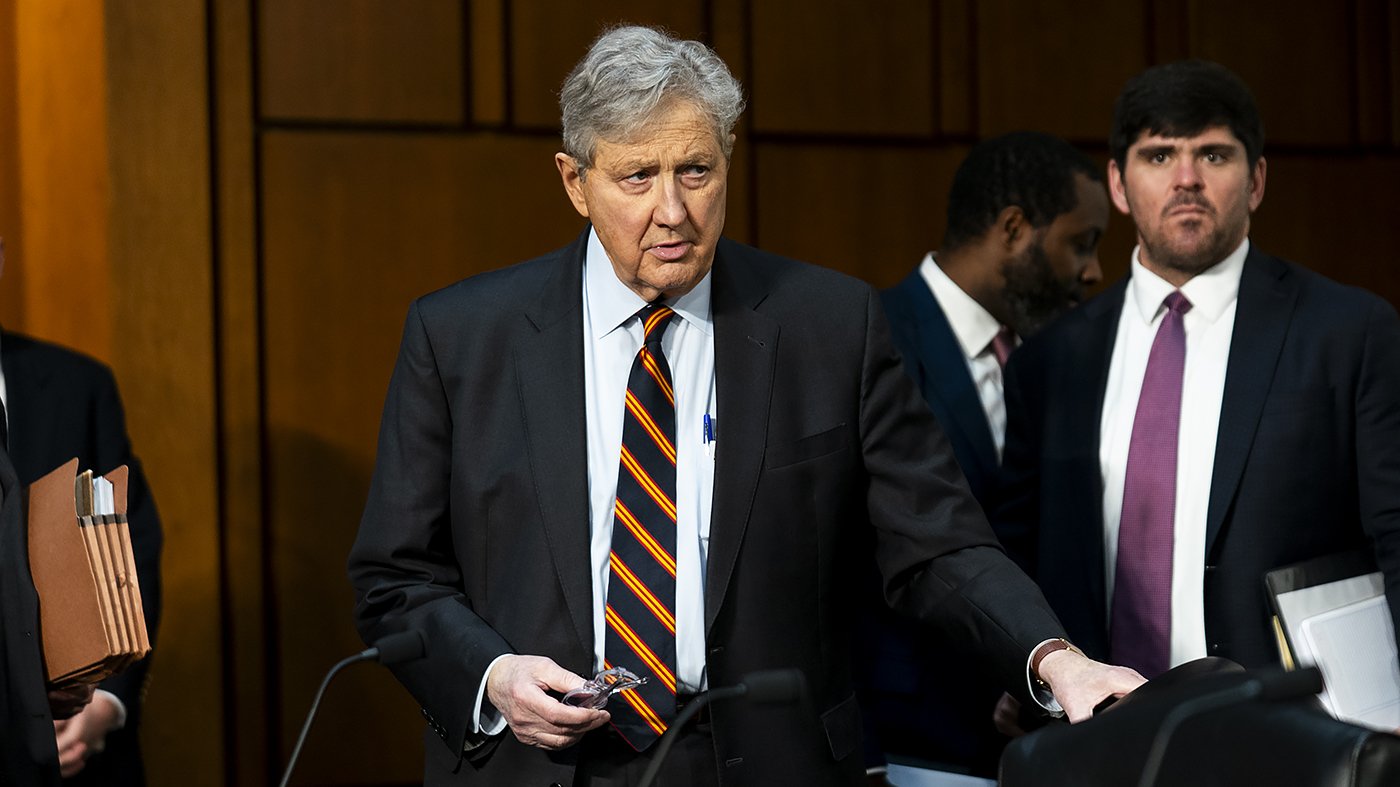
"If we lose the midterms, it will be because we didn't talk about what moms and dads are worried about when they lie down to sleep at night and can't, and that's primarily the cost of living," warned Senator John Kennedy of Louisiana during a television appearance. His sentiment reflects a growing concern that the party's electoral fate hinges on pocketbook issues, a view echoed by Senator John Cornyn of Texas, who expressed hope the Iran situation would stabilize soon to allow a sharper focus on the economy.
The "Skinny vs. Chunky" Debate
The central legislative conflict is whether to keep the reconciliation bill "skinny"—focused solely on funding for Immigration and Customs Enforcement and Border Patrol—or make it "chunky" by adding economic measures. Senator Ted Cruz of Texas has advocated using the bill to index capital gains to inflation, arguing it would stimulate the economy. Others, like Senator Josh Hawley of Missouri, have proposed suspending the federal gas tax or eliminating taxes on health expenses.
Senate Majority Leader John Thune acknowledged the political imperative, stating, "I think elections generally are about the economy. I think most people are pocketbook voters." However, he tempered expectations, noting the challenge of building consensus. "In the end, it's all about the math; it's what can you get 50 and 218 for? In this environment, that's going to be challenging, to say the least," Thune said, referencing the vote thresholds needed in the Senate and House.
Leadership's reluctance stems from a desire to avoid delays on the immigration funding President Trump wants and to prevent Democrats from offering amendments that could unravel core components of the bill. This internal GOP division over strategy mirrors a broader administration split on economic forecasts, as seen when Energy Secretary Chris Wright recently walked back a prediction that gas prices would fall below three dollars per gallon within weeks.
Market Jitters and Electoral Calculus
The economic and political stakes were underscored by volatile market reactions. A brief rally following President Trump's declaration that the Strait was open was quickly reversed by Iran's subsequent threat. This whiplash has cemented the view among many Republicans that the conflict directly threatens the strong economic standing that has been a cornerstone of the President's appeal.
Senator Cornyn explicitly linked the geopolitical tension to domestic politics, hoping for a de-escalation to allow the party to pivot. The concern is that sustained high fuel prices could erode voter confidence, making the party vulnerable on an issue it has traditionally owned. This dynamic adds another layer of complexity to an already fraught election cycle, where foreign policy and economic security are increasingly intertwined.
The GOP's internal struggle highlights a fundamental tension between governing priorities and campaign messaging. As lawmakers like Kennedy push for a more aggressive economic platform, leaders like Thune must navigate narrow majorities and competing demands. The outcome of this "skinny versus chunky" debate will signal how Republicans plan to defend their congressional majorities amid a turbulent geopolitical landscape that shows no immediate signs of calming, a reality further complicated by domestic protests over the conflict.