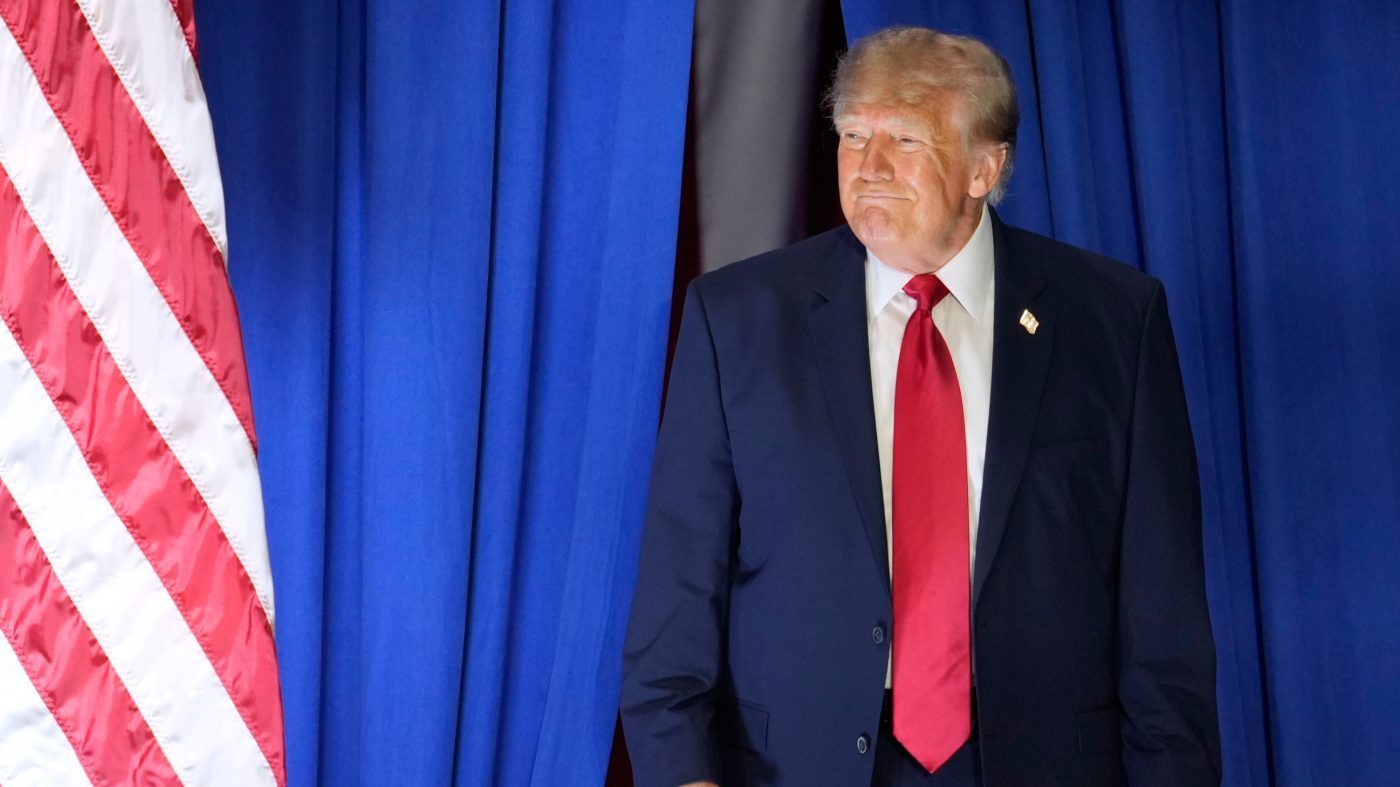
President Trump's chaotic second term is sinking deeper into political trouble, with polls showing his approval ratings underwater even among white working-class voters—the core of his populist movement. This erosion extends to independents, working-class Hispanics, and young voters, leaving Trump reliant on a loyal MAGA base while most Americans reject his inflationary tariffs, erratic military strikes, and overt corruption.
Democrats are optimistic about midterm gains, but strategists warn that short-term victories will be hollow unless the party addresses its fundamental challenge: rebuilding ties with the non-college majority that drifted away since 2016. This requires more than symbolic opposition to Trump, as highlighted by the rise of figures like Pete Buttigieg as a counterweight.
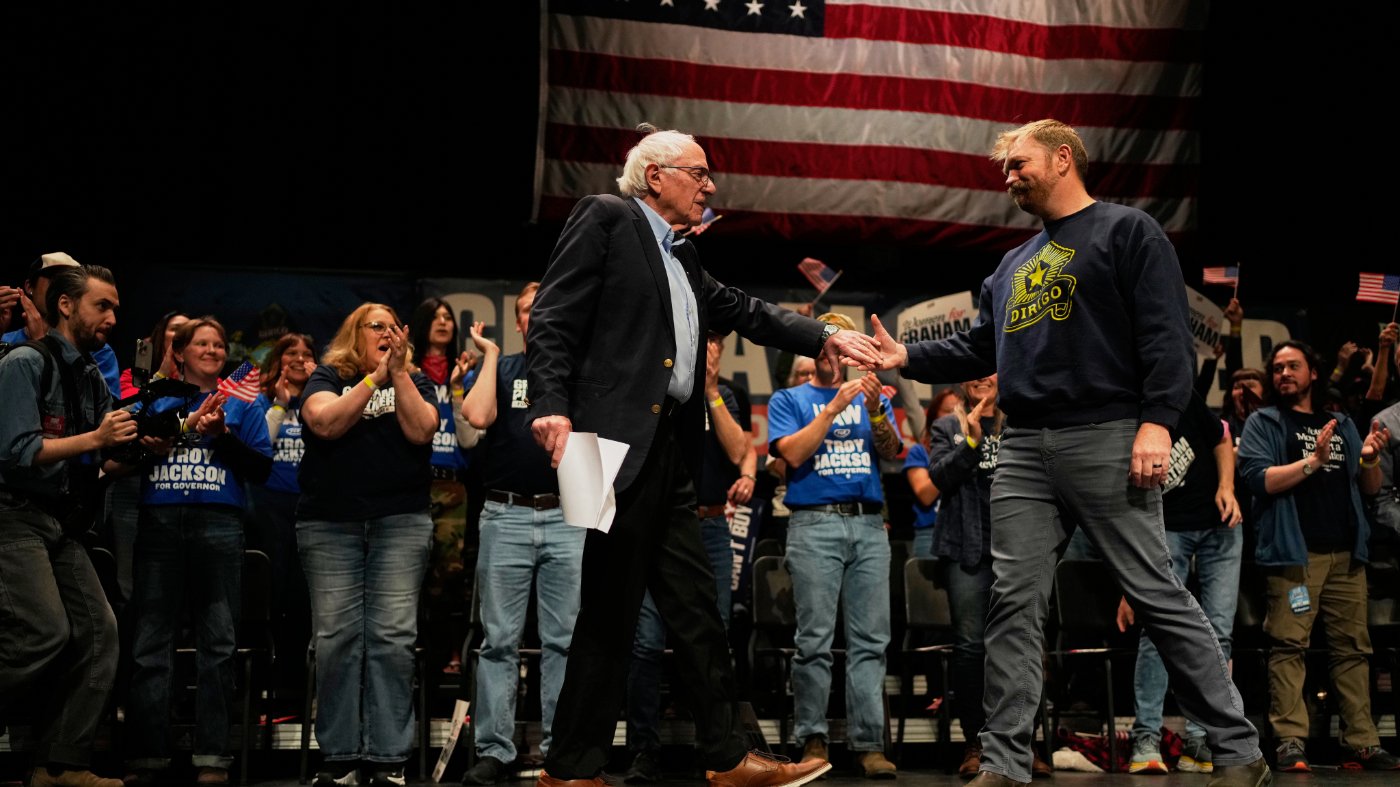
The party is split into three factions. Progressives, undeterred by Bidenomics' failure to win over working-class voters, advocate for stronger left-wing populism, targeting billionaires and corporations. Pragmatic Democrats focus on growth, opportunity, and moderate positions on divisive cultural issues like immigration, crime, and gender. The Washington establishment, meanwhile, prioritizes managing the party's shrinking coalition over expansion—a strategy that political analyst Doug Sosnik warns perpetuates the current 50-50 deadlock.
This gridlock fuels public frustration. With control of Congress or the White House switching parties in 11 of the last 13 national elections, the anti-incumbent party often wins, not the Democrats or Republicans. Avoiding internal fights before the midterms may be tactically smart, but the 2028 presidential race will force a strategic choice: polarize from the left or compete for the center.
Progressives face steep odds. A record 58% of Americans view Democrats as too liberal, and their stances on cultural issues are far left of the median voter. Working-class voters—both white and non-white—tend to be moderate or conservative on immigration, crime, racial preferences, and transgender rights. Yet progressives continue to push ideological purity tests, as seen in Rep. Ro Khanna's call to exclude any Democrat who voted for the Laken Riley Act—a bill named after a murder victim that mandates detention for undocumented immigrants arrested for crimes. Twelve Senate Democrats backed the measure; Khanna calls such votes 'disqualifying,' but critics argue this shrinks the party's tent.
The left's latest proposal—freezing U.S. data centers to slow AI development—has backing from Sens. Bernie Sanders and Elizabeth Warren, Rep. Alexandria Ocasio-Cortez, and others. Sanders has even proposed nationalizing AI companies by seizing half their stock for a sovereign wealth fund. This approach risks ceding AI leadership to China while alarming workers about job displacement. Instead, as seen in Trump's legal tactics, Democrats should craft a new social compact that supports innovation while sharing gains with working families.
Mayors Zohran Mamdani of New York and Katie Wilson of Seattle are testing democratic socialism with promises of 'free' public services, but municipal fiscal constraints may reveal its limits. Such policies are unlikely to resonate beyond blue metros, as progressives lack crossover appeal to the working-class voters they claim to champion.
For pragmatic Democrats, the task is to move beyond vapid centrism and stale messaging. They need radically pragmatic reforms that improve working families' lives, transcend identity politics, and fix a broken government. As Trump's coalition frays, the party's long-term success hinges on winning the middle, not just opposing the president.