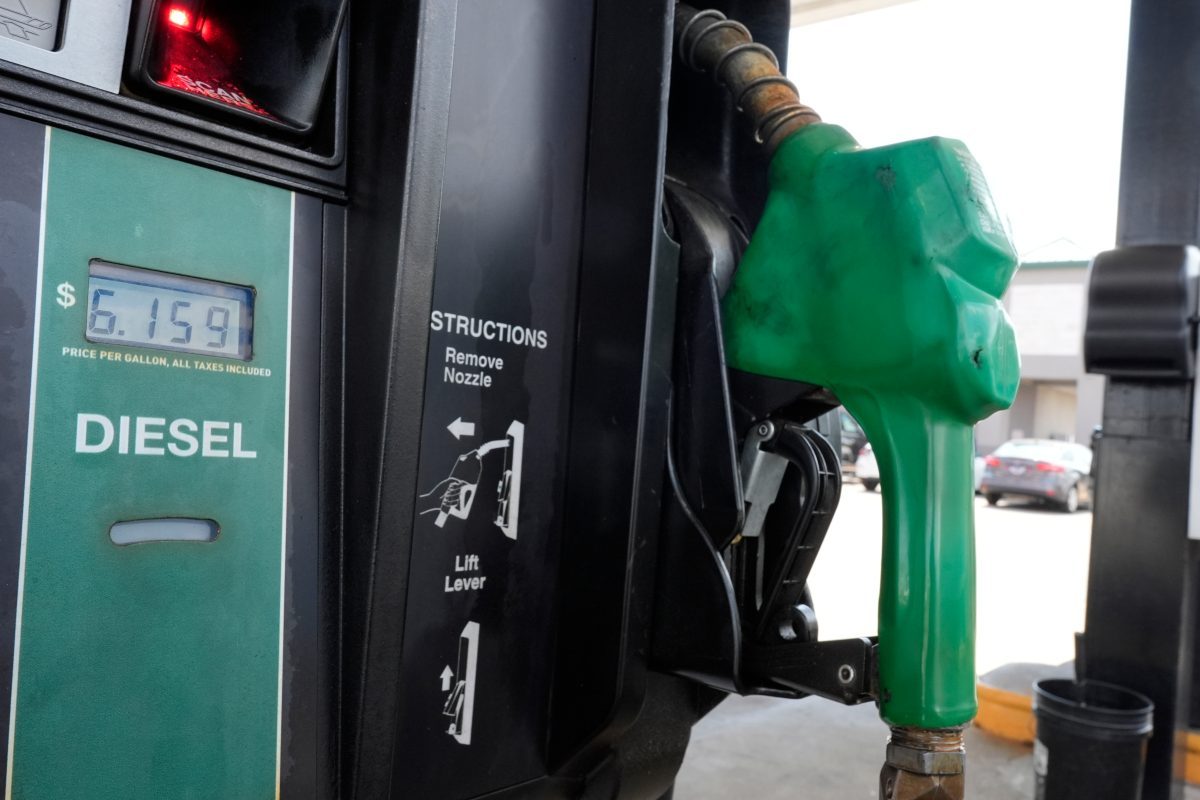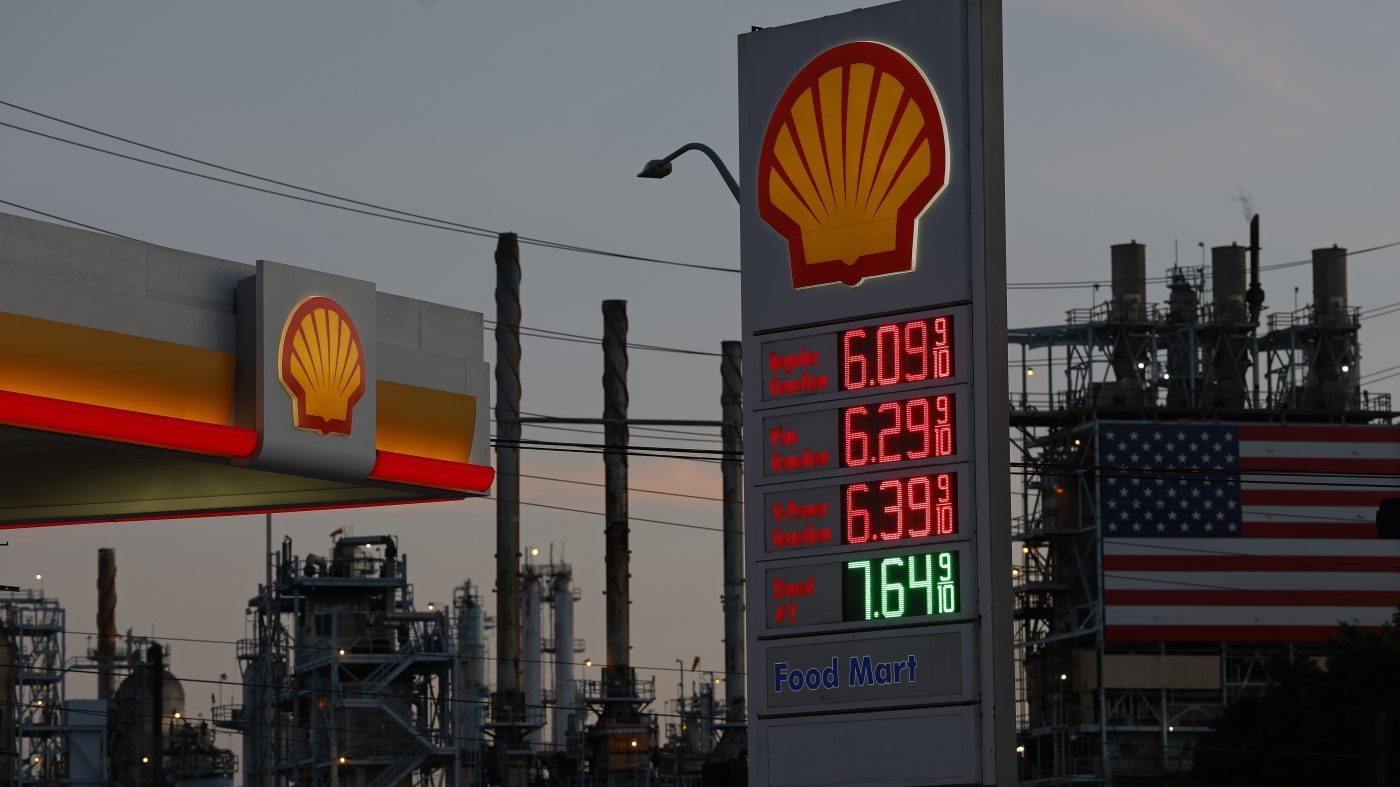
The Trump administration is presenting divergent forecasts on gasoline prices, exposing internal rifts as economic fallout from the ongoing conflict with Iran fuels voter anxiety ahead of the midterm elections.
Energy Secretary Chris Wright stated in a Sunday CNN interview that prices at the pump may not retreat below the $3 per gallon threshold until next year. "That could happen later this year, that might not happen until next year," Wright said, while suggesting prices had likely peaked and would decline following a resolution of the Iran conflict.
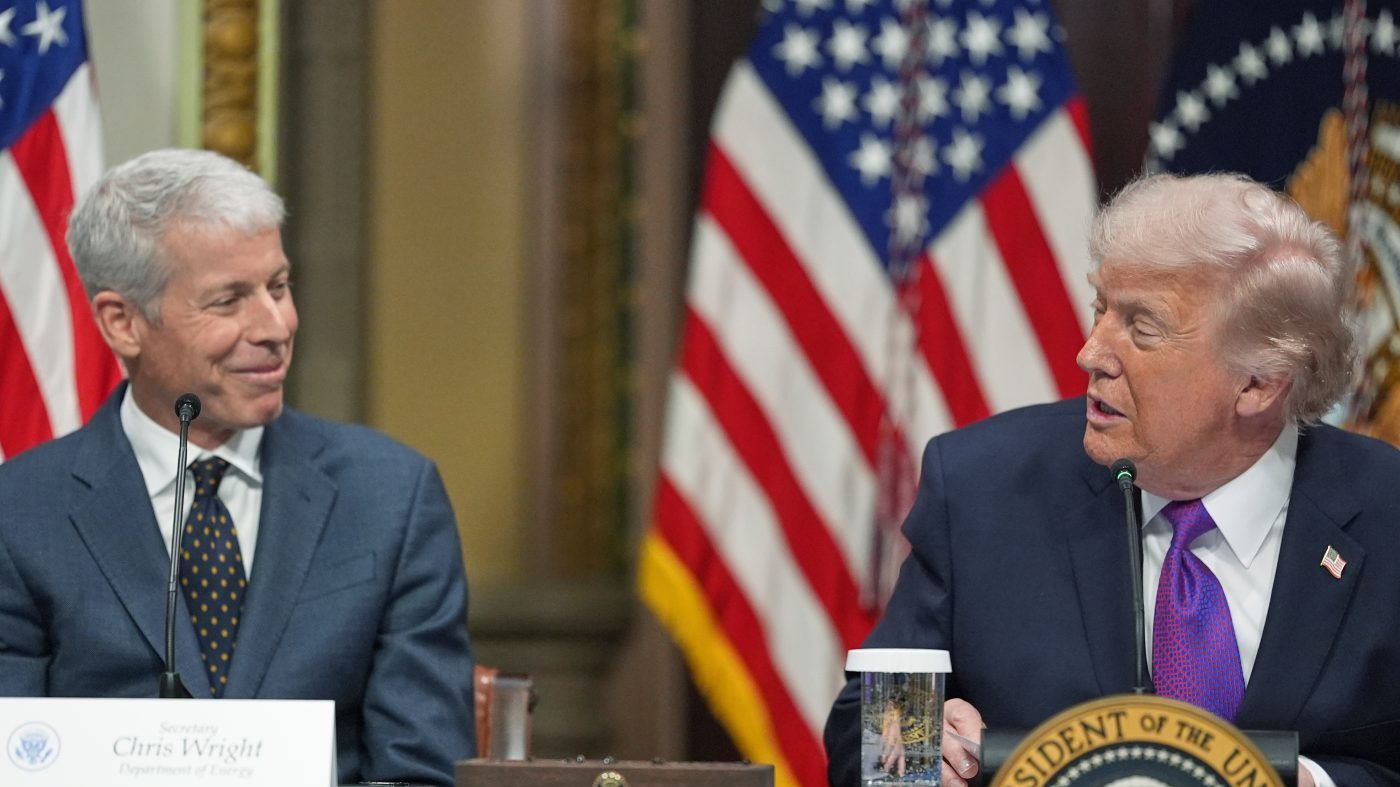
President Trump directly repudiated that assessment the following day, telling The Hill in a phone interview that Wright was "totally wrong." The President's position aligns with Treasury Secretary Scott Bessent, who predicted last week that prices would drop below $3 per gallon by summer.
This public disagreement highlights a broader administration divided on the economic timeline as Republicans grow increasingly nervous about how affordability issues will impact November's elections. The conflict with Iran, which has restricted shipping through critical waterways like the Strait of Hormuz, has driven energy prices higher, placing the economy at the center of the political debate.
Trump himself offered an ambiguous outlook just days before Wright's remarks. When asked last Sunday if prices would fall, he responded, "I hope so. I mean, I think so, it could be, it could be, or the same or maybe a little bit higher, but it should be around the same." This lack of a unified message from the White House complicates efforts to reassure the public.
The mixed signals come alongside other consequential energy and environment policy developments. The administration recently reversed course to extend a waiver on sanctioned Russian oil and petroleum products, a move that followed statements from a top official suggesting the waiver would not be renewed. Meanwhile, the future of the National Science Foundation remains uncertain as the President pushes for budget cuts and his nominee awaits Senate confirmation.
Secretary Wright is scheduled to testify before the Senate Energy and Natural Resources Committee, where he will likely face pointed questions about his price forecast and the administration's overall energy strategy. The political stakes are high, as the Iran conflict continues to erode the administration's standing with voters concerned about their wallets.
This internal discord over a key economic indicator reflects the pressure the administration faces to demonstrate control over inflation and energy markets. With midterm campaigns increasingly focused on cost-of-living issues, the administration's ability to present a coherent narrative on gas prices could significantly influence electoral outcomes.