A new phase of negotiations aimed at resolving the conflict with Iran is scheduled to begin this week in Islamabad, but the political consequences for President Trump appear increasingly entrenched and damaging. While the administration, including Defense Secretary Pete Hegseth, maintains that U.S. and Israeli military actions have decisively degraded Iran's naval and air capabilities, the strategic and domestic political landscape tells a more complicated story.
Strategic and Economic Fallout
The critical measure of success extends beyond battlefield assessments. Iran's demonstrated capacity to obstruct the Strait of Hormuz has triggered a sustained surge in global oil prices, keeping costs for consumers well above pre-conflict levels. The national average for a gallon of regular gasoline stood at $4.04 this week, a stark increase that administration officials concede may persist. Energy Secretary Chris Wright recently suggested prices might not return to under $3 per gallon until next year, a forecast Trump publicly dismissed as "totally wrong."
Economists warn that market rebounds following a recent ceasefire may not fully account for the broader disruption. "I think there is very significant, serious economic fallout from what is going on in the Middle East," said Mark Zandi, chief economist at Moody's Analytics. He highlighted impacts beyond crude oil, including on natural gas and critical materials for agriculture and technology manufacturing.
Mounting Political Damage
The domestic political ramifications are severe and compounding. A new NBC News poll reveals Trump's approval rating at a low of 37%, with a striking 67% of Americans disapproving of his handling of the Iran war. This erosion comes as the administration signals the fragile ceasefire could soon collapse without a diplomatic breakthrough.
Democratic strategists argue the conflict has handed them potent ammunition for the approaching midterms. "The Republicans have no message," said Democratic strategist Mark Longabaugh. "Their whole message is defending a war that nobody wants and nobody approves of." Internal Republican concerns are evident, with White House chief of staff Susie Wiles meeting with party strategists to chart a path forward.
Internal Criticism and Defensive Posture
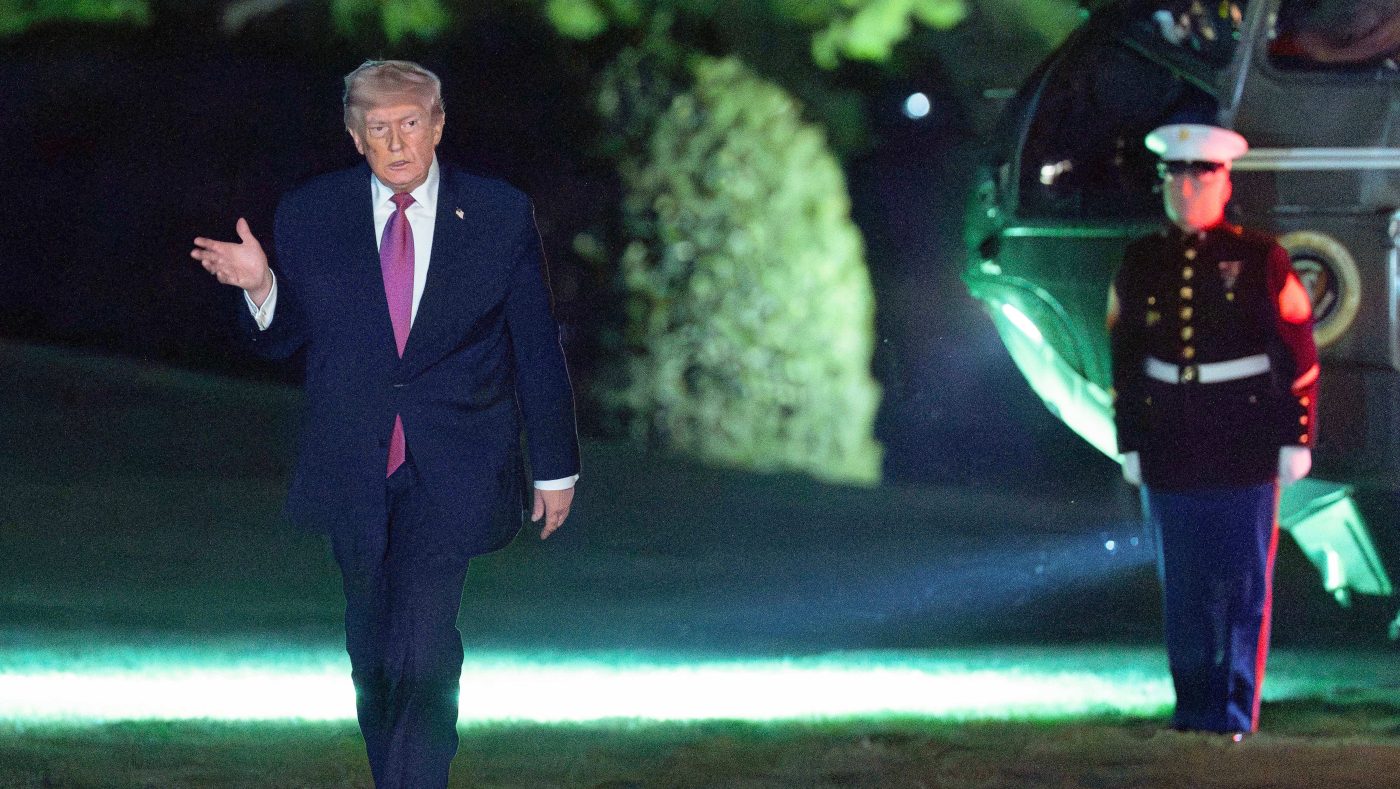
The president's response has been characteristically combative yet defensive. On social media, he has repeatedly proclaimed, "I'm winning a War, BY A LOT," while lambasting major news outlets for their coverage. He has also grown sensitive to critiques from within his own coalition, rebuking usually supportive media figures like Tucker Carlson and Megyn Kelly who have questioned the war. Furthermore, he has vehemently denied being influenced by Israeli Prime Minister Benjamin Netanyahu, insisting his own assessment of the Iranian nuclear threat prompted the conflict.
The political friction extends beyond foreign policy, as seen in escalating disputes over election administration and the recent departure of Labor Secretary Chavez-DeRemer to the private sector.
Midterm Consequences
The cumulative effect has dramatically altered the landscape for November's elections. Democrats are now considered strong favorites to retake the House majority, and contesting the Senate is viewed as increasingly plausible. The war, coupled with persistent high inflation and energy costs, has overshadowed other Republican efforts, including campaign events focused on state-level issues like redistricting.
As diplomats prepare for talks in Islamabad, where Iranian officials have expressed profound distrust of U.S. intentions, the political battlefield at home appears equally challenging for a president struggling to convince the public that the costs of conflict have been worth the gains.