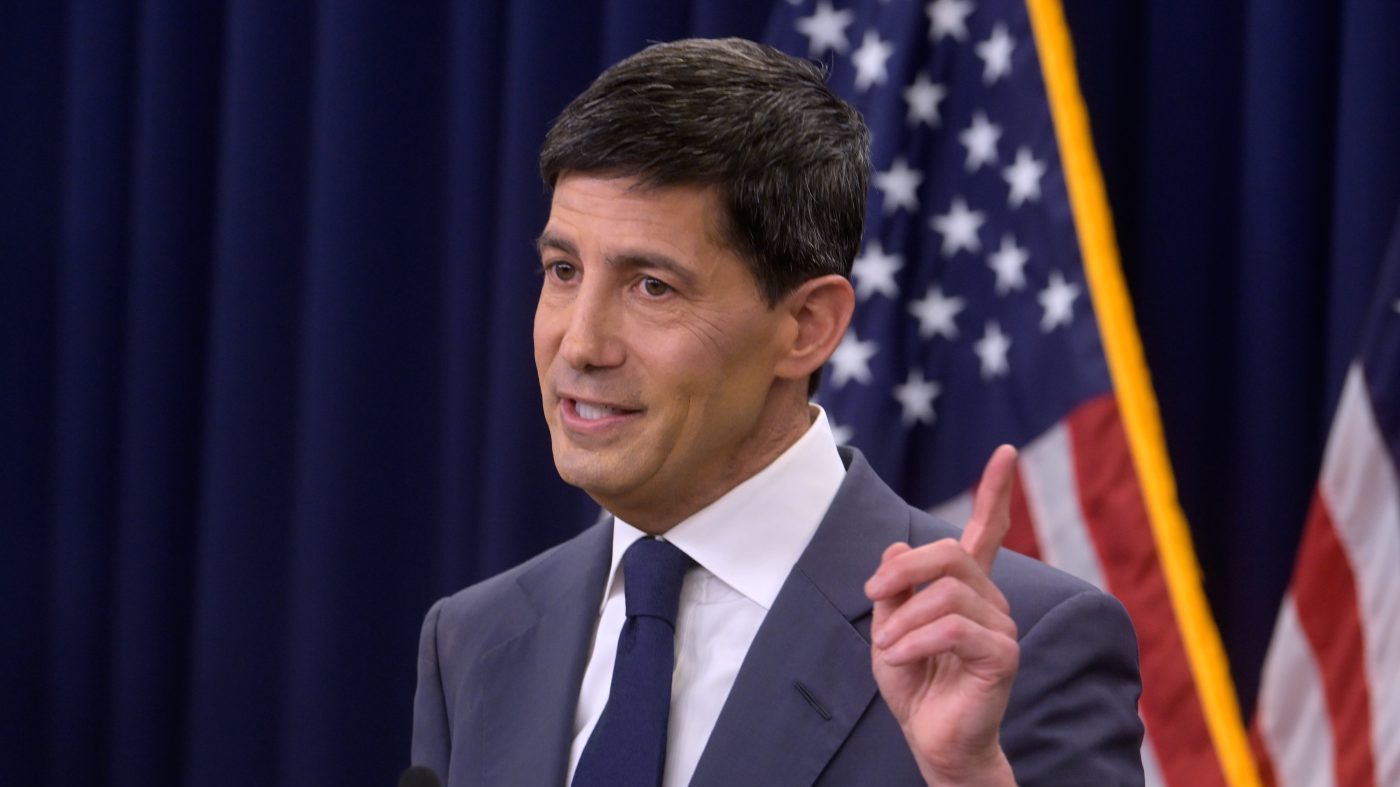
The Justice Department's Civil Rights Division, led by Assistant Attorney General Harmeet Dhillon, has demanded Michigan turn over all ballots and election materials from Wayne County, which includes Detroit, from the 2024 federal election. The request, citing the Civil Rights Act of 1960 and past local fraud cases, threatens legal action if the state fails to comply.
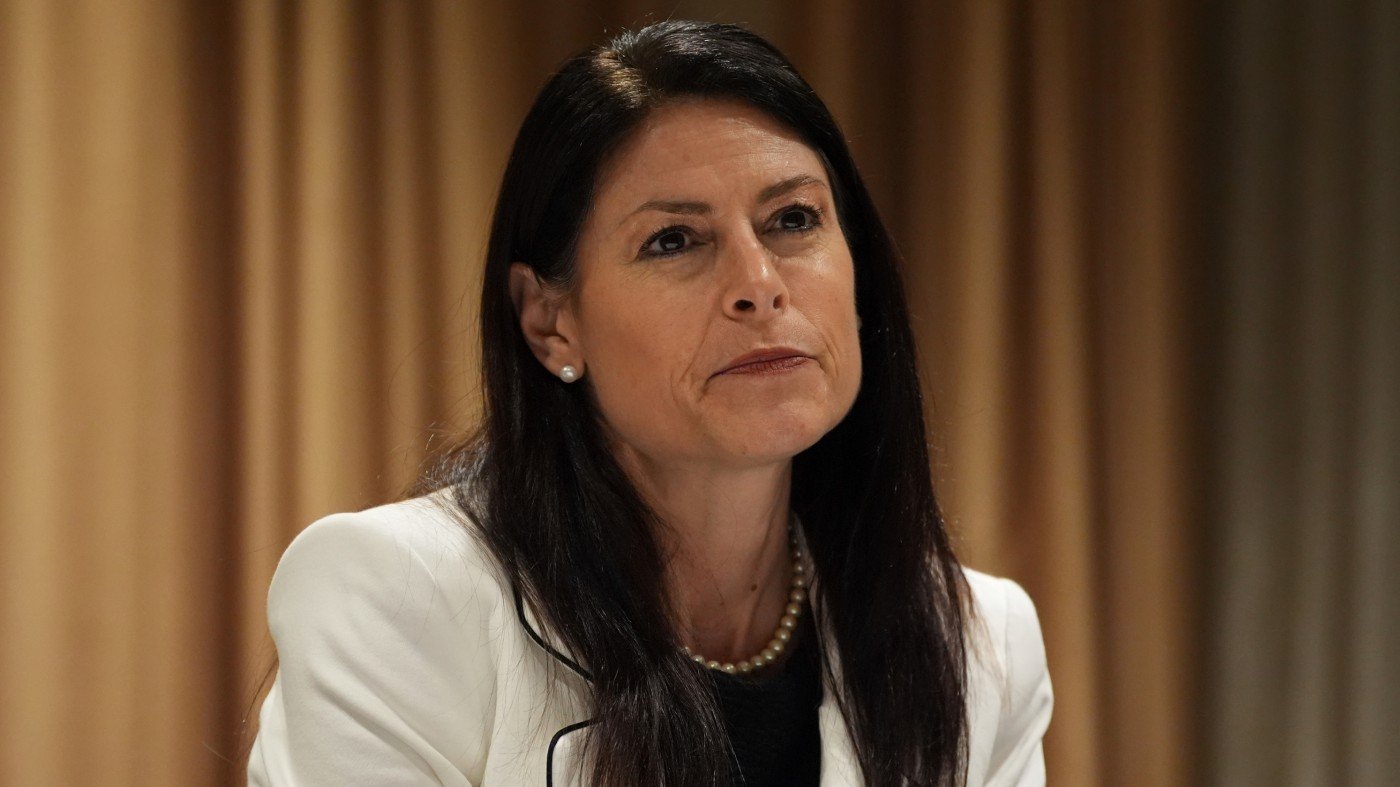
Michigan's top officials have mounted a unified and forceful rejection. Attorney General Dana Nessel sent a formal response on Friday, expressing dismay at what she called a demand rooted in "conspiracy theories dating back to 2020." She argued that state and federal courts, along with Michigan's legislature, have repeatedly found such fraud allegations to be without merit.
"The courts, our officials, and our legislature have all determined that these theories are baseless, and they certainly provide no support for a demand for 2024 election records," Nessel wrote. "Accordingly, Michigan stands ready to defend against these claims and any attempt to interfere in Michigan’s elections."
Governor Gretchen Whitmer and Secretary of State Jocelyn Benson joined Nessel in a subsequent statement, framing the DOJ's action as part of a broader national pattern. They pointed to similar federal demands for election materials in states like Arizona and Georgia, suggesting a coordinated effort to cast doubt on electoral processes.
"Michigan’s elections are safe and secure, and any attempt to suggest otherwise is an attempt to take away Michiganders’ constitutional right to vote," Whitmer stated. "This demand is a poorly disguised attempt to justify more doubt and misinformation about our elections as well as direct federal interference."
The officials specifically challenged the legal basis of Dhillon's letter. They noted that the voter fraud cases she cited were successfully prosecuted by the state itself, demonstrating existing safeguards. A civil case mentioned was dismissed after 2020 allegations were found "incorrect and not credible." Crucially, none of the cited cases originated from the 2024 election.
Nessel argued that using these old prosecutions to justify seizing new ballots is an act of intimidation. "Using these prosecutions and recycling debunked 2020 election conspiracy theories as justification to demand copies of the ballots of Michigan residents is a clear attempt to bully clerks and spread fear, even after Donald Trump won Michigan in 2024," she wrote.
Secretary of State Benson framed the conflict as a prelude to the next presidential race. "Their goal is to sow seeds of doubt about the legitimacy of the results this November and in 2028," she said, characterizing the letter as the Trump administration's "latest attempt to interfere in our elections." She vowed not to be intimidated, pledging to protect both election integrity and voter privacy for Wayne County and any other clerks the DOJ might target.
The standoff highlights the ongoing national battle over election administration and legitimacy, a theme that continues to shape political strategy. This confrontation in a critical battleground state echoes other high-stakes political demands, such as when lawmakers have demanded accountability from administration officials on contentious issues. Nessel concluded with a defiant promise: "If this administration wants to bring this circus to our state, my office is prepared to protect the people’s right to vote."