The House delivered a decisive bipartisan defeat Thursday to a war powers resolution that would have compelled President Trump to withdraw U.S. forces from what sponsors described as unauthorized hostilities in Lebanon. The measure failed 324-92, with just one Republican voting in favor.
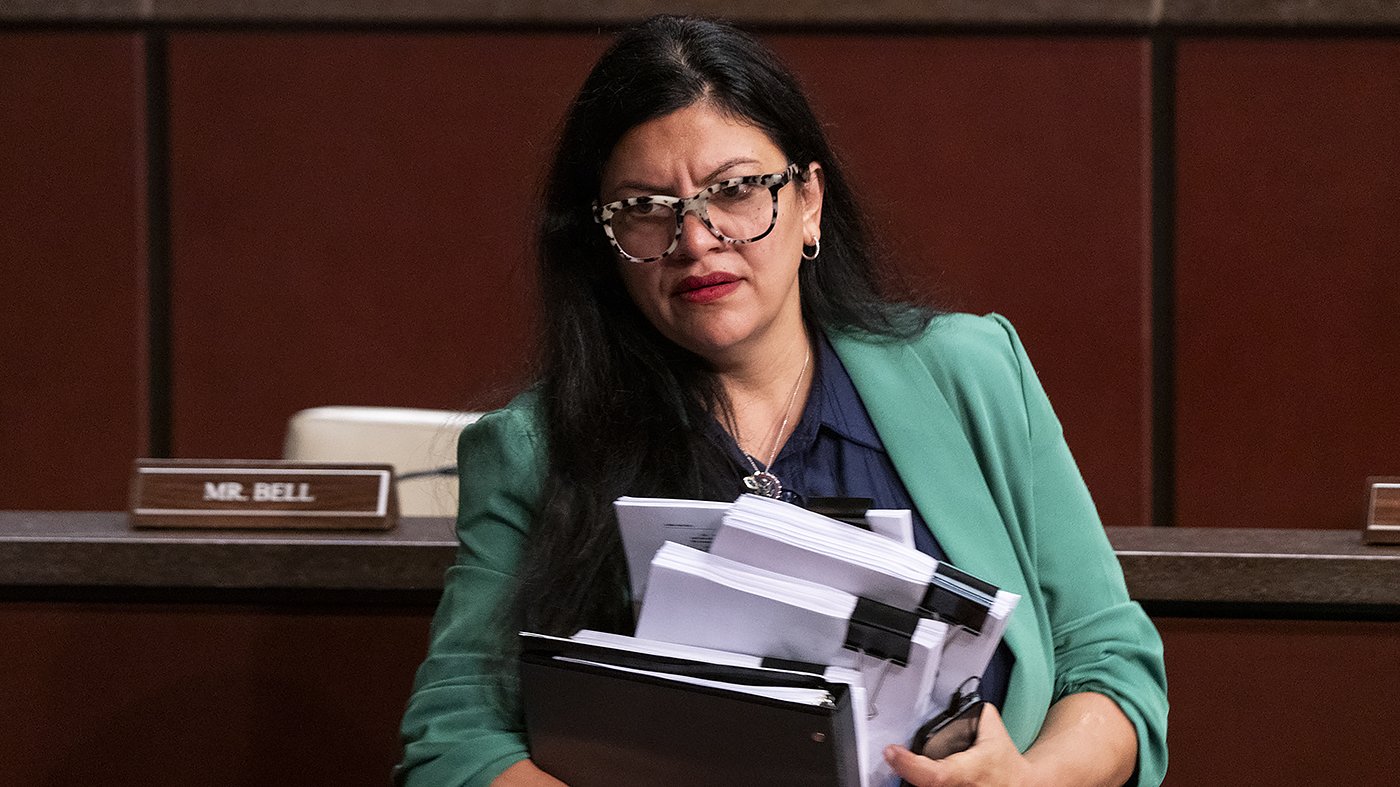
Rep. Rashida Tlaib (D-Minn.), the resolution's sponsor, argued that U.S. military involvement in Israel's operations in Lebanon lacks congressional authorization. The resolution explicitly noted that Congress has not declared war or provided specific statutory approval for such operations, nor designated any actor inside Lebanon under an existing authorization for use of military force.
Tlaib took to social media Thursday to underscore the human toll, writing that “11 children are being killed every day in Lebanon. The indiscriminate bombings must stop. The government of Israel has expanded strikes across the country despite a ceasefire.” Her remarks come amid ongoing tensions in the region, with Hezbollah recently rejecting a U.S.-Lebanon ceasefire as “humiliating” and urging Israeli withdrawal.
But House Minority Leader Hakeem Jeffries (D-N.Y.) and other Democratic leaders pushed back, issuing a statement that “currently there are no U.S. servicemembers involved in combat operations or hostilities in Lebanon.” They argued that a separate war powers resolution also introduced by Tlaib would be a more appropriate legislative vehicle—one that would direct troop withdrawal but explicitly exempt security cooperation with the Lebanese Armed Forces and protection of diplomatic facilities.
The vote breakdown exposed unusual cross-party dynamics. Rep. Thomas Massie (R-Ky.) was the lone Republican to support the measure, while Reps. Betty McCollum (D-Minn.) and Derek Tran (D-Calif.) voted present. In total, 207 Republicans, 117 Democrats, and one independent—Rep. Kevin Kiley (I-Calif.)—opposed the resolution.
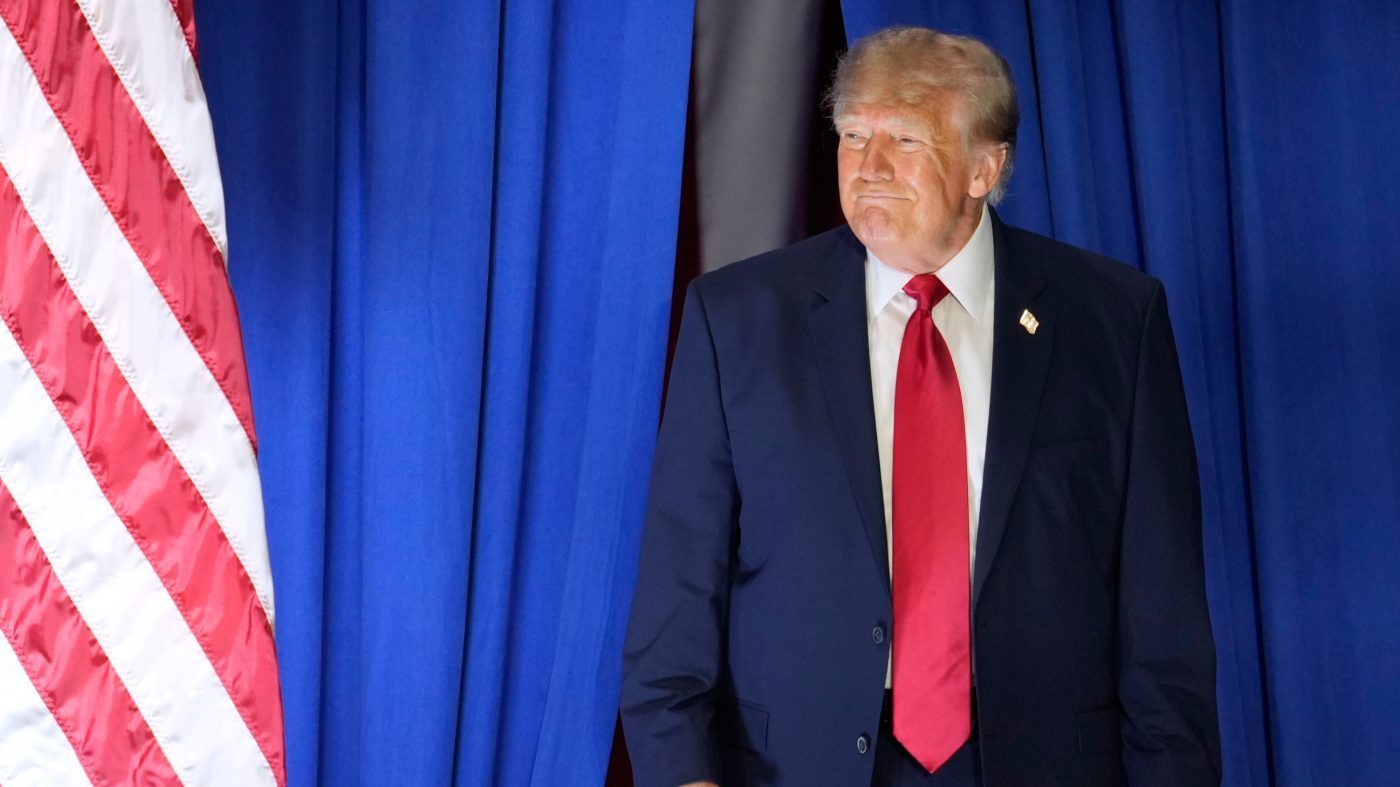
Thursday's rejection follows a similar pattern from the day before, when the House passed a separate resolution aimed at limiting Trump's military action in Iran. That measure saw four Republicans break ranks: Massie, Brian Fitzpatrick (R-Pa.), Tom Barrett (R-Mich.), and Warren Davidson (R-Ohio). The Iran vote underscored ongoing congressional unease with executive war powers, even as the Lebanon resolution failed to attract similar bipartisan support.
The debate over Lebanon comes as the Trump administration continues to navigate a complex Middle East landscape. Tehran has been accused of using the Lebanon truce to drive a wedge between Trump and Israeli Prime Minister Benjamin Netanyahu. Meanwhile, the president is reportedly preparing to unveil a $700 million coal rescue plan using wartime powers, signaling his willingness to leverage such authorities for domestic priorities even as Congress seeks to constrain them abroad.
What's Next
With the Lebanon resolution defeated, Tlaib and other critics of U.S. involvement are likely to press for action on her alternative war powers measure. But given the broad bipartisan opposition seen Thursday, the path forward remains uncertain. The House's recent passage of an Iran war powers resolution—which Trump dismissed as “meaningless”—suggests that while lawmakers are willing to assert their constitutional role, they remain divided on how far to go in reining in the commander in chief.