Internal Discord Over Fuel Costs
The Trump administration is delivering contradictory assessments on when American drivers will see relief at the pump, creating political complications as the party confronts a challenging midterm election landscape. The central dispute pits President Trump's optimistic projections against the more cautious timeline offered by his own Energy Secretary, Chris Wright.
Conflicting Timelines from Top Officials
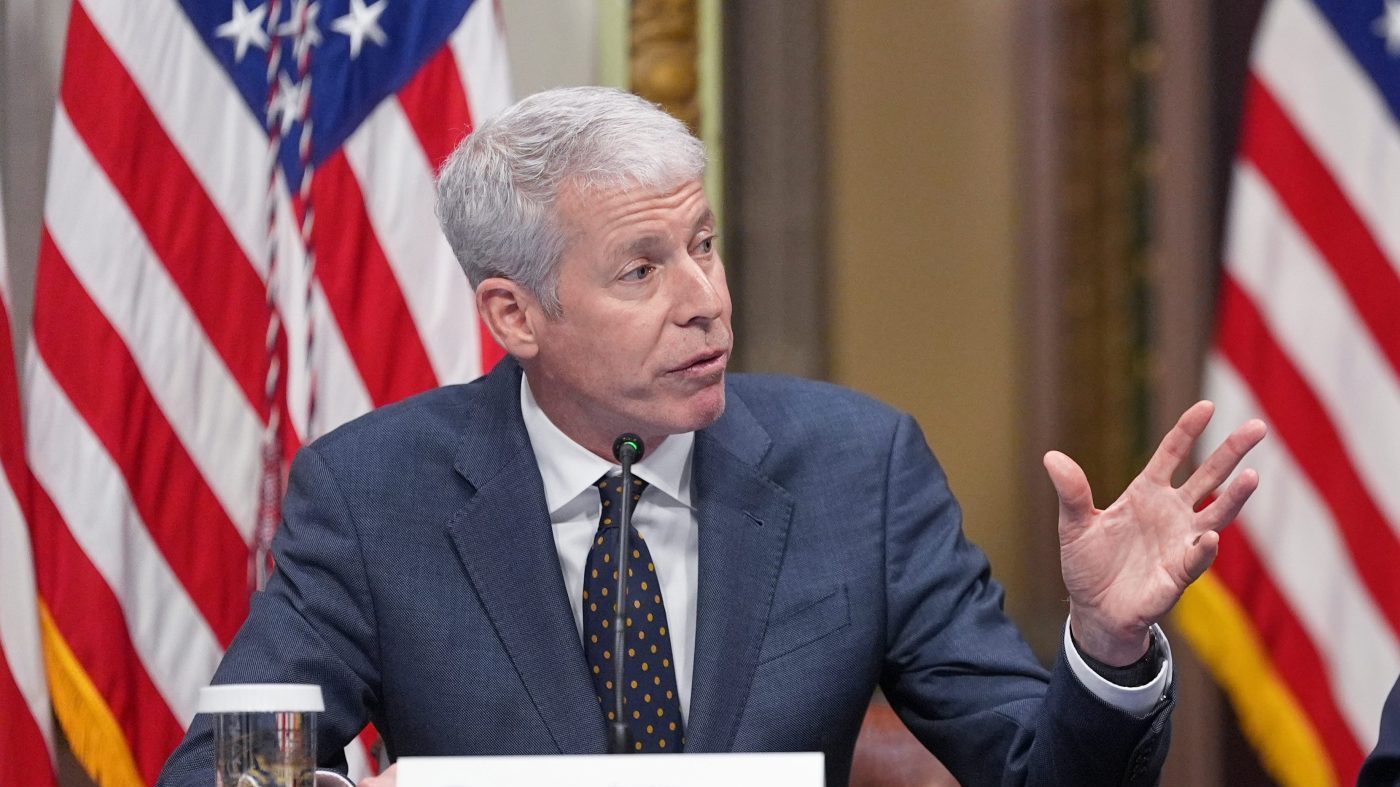
In a Sunday interview, Energy Secretary Wright stated that gasoline prices may not retreat below the $3 per gallon threshold until next year, though he asserted costs had likely peaked. "Certainly with the resolution of this conflict, you'll see prices go down," Wright said, directly linking the timeline to the ongoing military engagement with Iran. This assessment was swiftly rejected by the President. In remarks to The Hill, Trump labeled Wright's analysis "totally wrong," aligning himself instead with Treasury Secretary Scott Bessent's prediction of sub-$3 prices by summer.
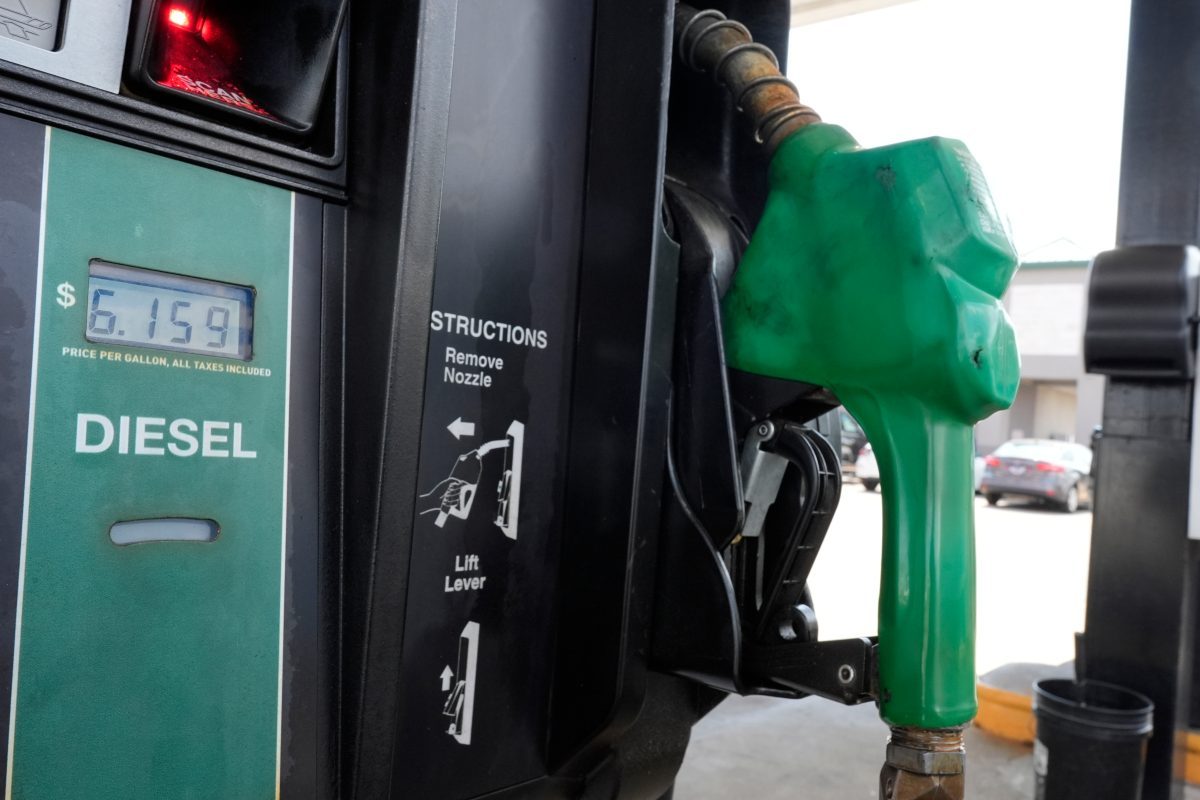
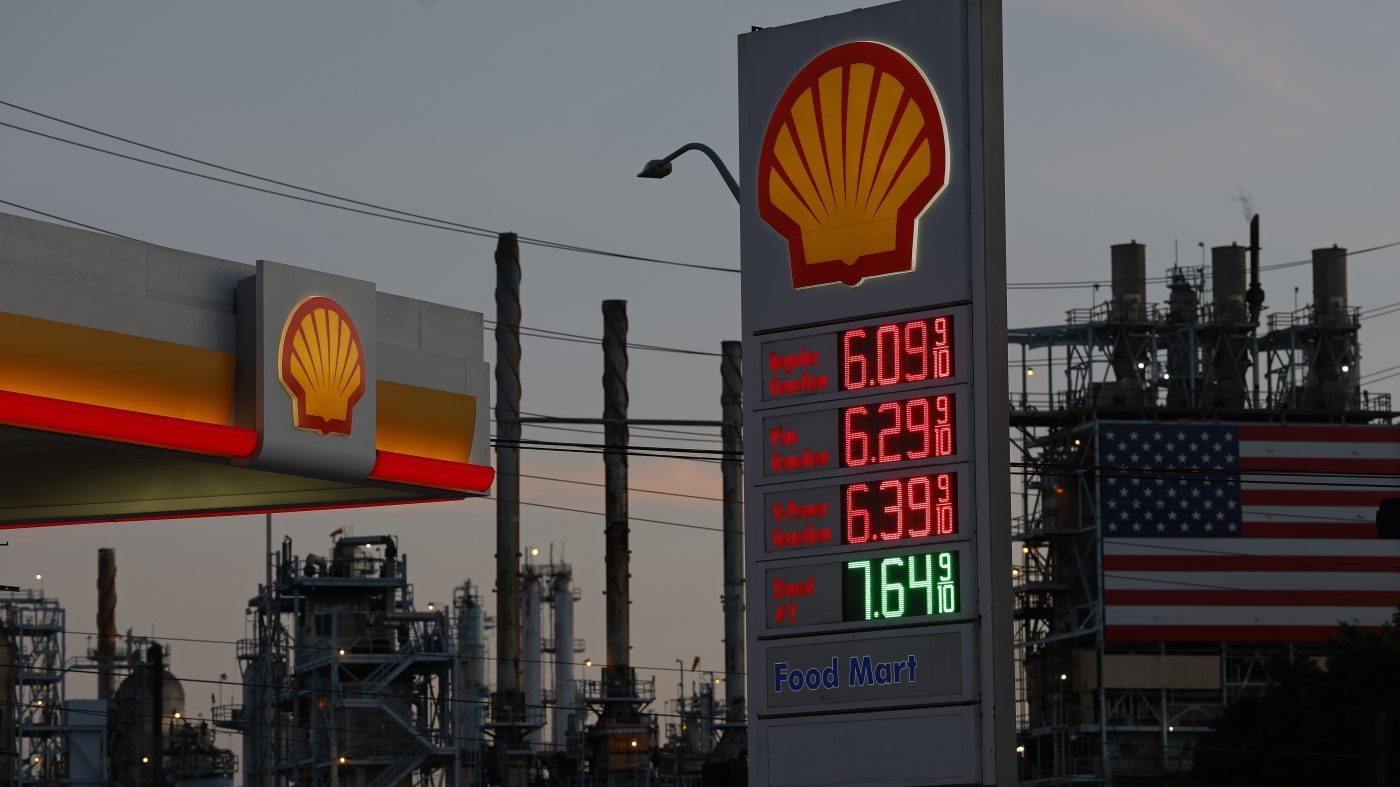
This public disagreement underscores the political sensitivity of energy costs, which have surged by more than a dollar per gallon since the outbreak of hostilities. The spike has been driven primarily by Iran's effective blockade of the Strait of Hormuz, a critical chokepoint for global oil shipments. While prices have receded slightly from their wartime peaks, analysts warn that any escalation in the conflict could send them skyrocketing again. The administration's struggle to present a unified message comes as the President signals a key ceasefire deadline with Iran is approaching, adding urgency to the economic pressure.
Midterm Politics and Economic Anxiety
Republican strategists are growing increasingly nervous that sustained high fuel prices could erode the party's congressional majorities in November. Affordability has emerged as the dominant election issue, complicating the administration's messaging. Trump himself has offered fluctuating predictions, suggesting last week that prices might remain stable, increase slightly, or potentially decrease before voters head to the polls. This uncertainty reflects the complex geopolitical and market forces at play.
Even among the President's supporters, there is recognition that relief may be slow. "Gas prices rise like a rocket and fall like a feather," noted Dan Eberhart, a Republican donor and oil services CEO. Eberhart acknowledged Wright's expertise but suggested Trump might have superior insight into the conflict's endgame, stating, "If he knows when the conflict will end, yes," the President would know better on prices. This sentiment highlights how the administration's economic forecasts are inextricably tied to military and diplomatic outcomes in the Gulf.
Structural Challenges to Price Relief
Several structural factors cast doubt on a rapid return to pre-war price levels. Iran has leveraged its control of the Strait of Hormuz to implement a toll system, and some analysts believe Tehran may never fully relinquish this strategic leverage. Furthermore, a drop to $3 per gallon represents an ambitious target; prices were below that level for only a brief period before the conflict, and seasonal summer demand typically pushes costs higher. The White House maintains a posture of confidence. Spokeswoman Taylor Rogers called the price spikes "temporary," crediting the President with previously driving costs to multi-year lows and predicting they will "plummet" once Strait traffic normalizes.
This optimism is echoed by some external allies. Richard Stern of the Advancing American Freedom think tank expressed faith in the President's assessment of allied advantage but conceded the fundamental uncertainty: "The question is on what day is the war, is the conflict, truly completely over? And the answer is nobody knows." This ambiguity leaves consumers and voters in limbo, with the administration's simultaneous push to end certain energy aid programs adding another layer of political risk.
Broader Economic and Electoral Impact
The gasoline price shock has supercharged existing voter concerns about inflation. The Bureau of Labor Statistics recorded a 21 percent monthly increase in gas costs in March—the largest jump since it began tracking the data in 1967. While National Economic Council director Kevin Hassett pointed to progress on other inflation metrics, the pain at the pump remains a visceral daily reminder for voters. The discord within the administration on this critical issue suggests a lack of coordinated strategy as the party ramps up its midterm campaign efforts in key states like Virginia.
Ultimately, the timeline for price relief appears hostage to the resolution of a conflict with no clear end in sight. With the Strait of Hormuz remaining a contested zone and Iran showing little inclination to cede hard-won leverage, the administration's mixed messages reflect a deeper struggle to manage wartime economics in a charged political environment. As long as the conflict persists, the President and his Cabinet may continue to offer Americans conflicting forecasts on one of the most tangible measures of economic well-being.