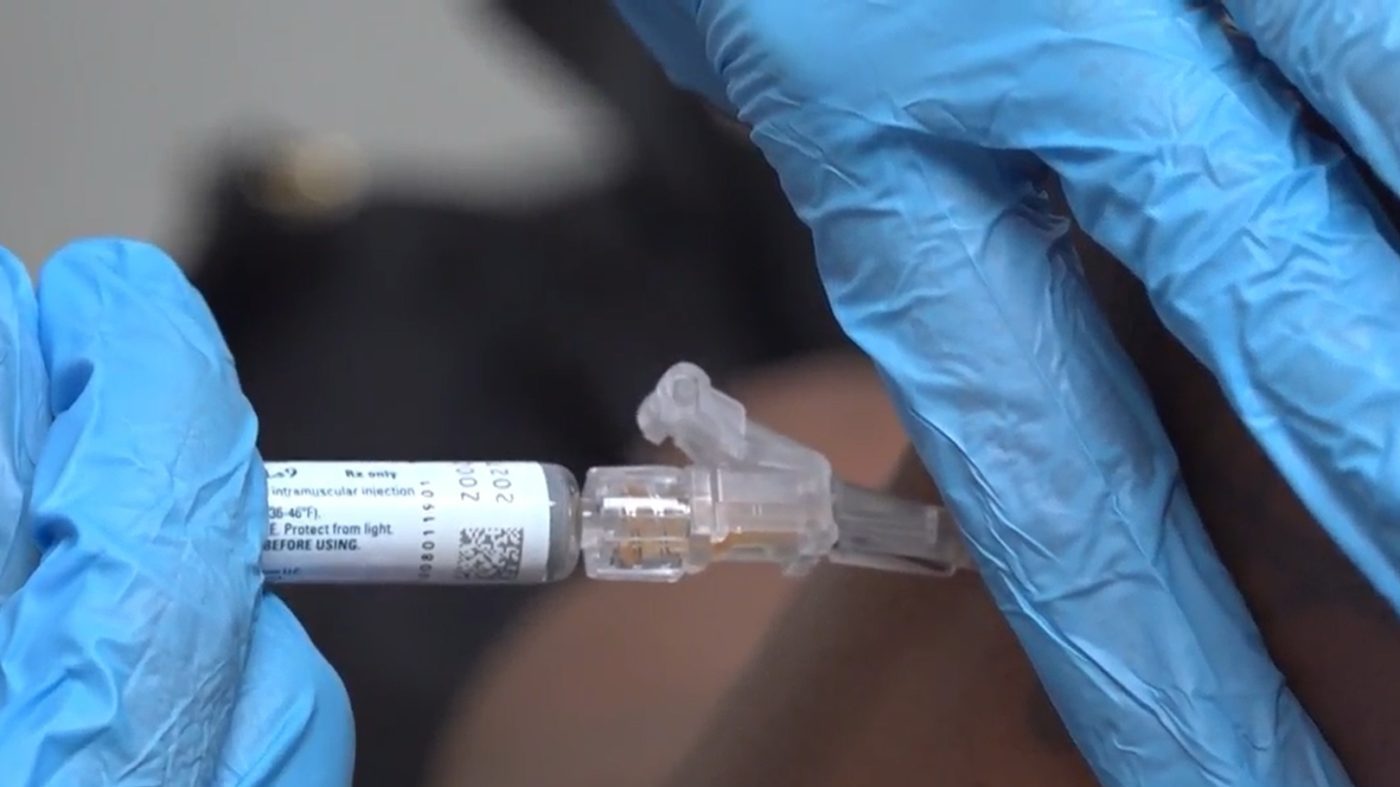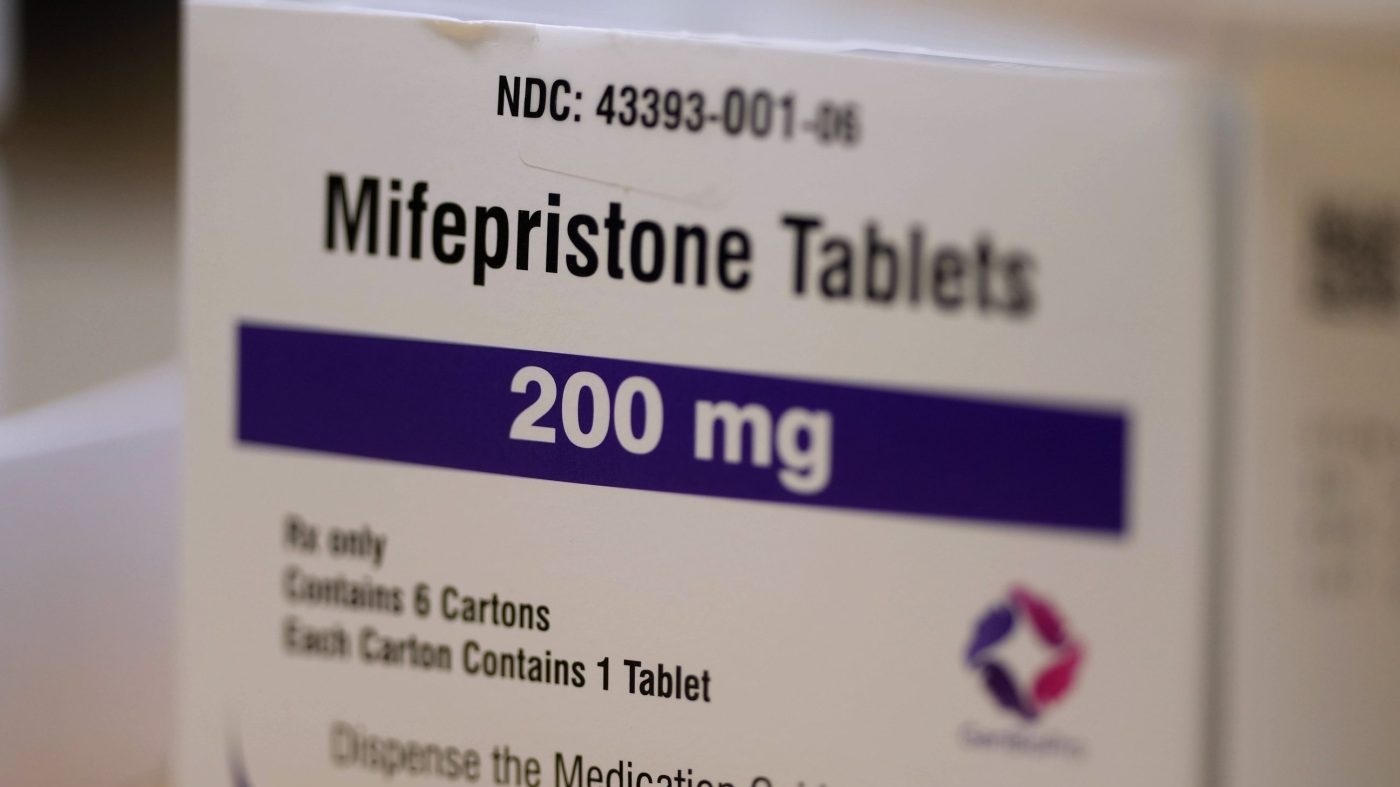
The Food and Drug Administration has begun a retrospective safety analysis of mifepristone, the drug used in medication abortions, according to an administration official. The move signals a win for anti-abortion activists who have been pushing the Trump administration to tighten access to the pill, and could set the stage for new restrictions on how it is prescribed and distributed.
The review, which the official said is expected to take about six months to complete, will examine existing data on the drug's safety profile. Initial findings could be released before the full study is done, the official added. The FDA has been under mounting pressure from conservative lawmakers and advocacy groups to rein in the availability of mifepristone, which can be shipped through the mail even to states that have banned or severely limited abortion.

Some anti-abortion groups have accused the FDA of dragging its feet on the review to avoid a political firestorm ahead of the midterm elections. The White House and the Department of Health and Human Services have denied those allegations. An administration official said the study has been in the works for months, pushing back on reports that it was just getting underway. “The FDA has been actively working on a science-based safety review of the mifepristone REMS for months, as the agency has stated publicly and in court filings,” the agency said in a statement. “Any reporting suggesting otherwise, including that a study is just being started, is either false or based on a fundamental misunderstanding of how complex scientific safety studies work.”
Leadership Change Accelerates Review
The review gained momentum following a shift in FDA leadership. Dr. Marty Makary was ousted as FDA commissioner last month, replaced by Acting Commissioner Kyle Diamantis. Diamantis has been in regular contact with leaders of the anti-abortion movement, according to the official, which has helped push the review forward. The agency is also under a court-ordered deadline: a federal judge in Louisiana has set an October deadline for the FDA to produce findings as part of an ongoing lawsuit filed by the state.
Anti-abortion advocates want the FDA to revoke Biden-era rules that allow patients to order mifepristone through the mail and permit physicians to prescribe it via telehealth. Those rules were finalized in 2023 after the Supreme Court overturned Roe v. Wade, eliminating the in-person dispensing requirement that had been in place for decades. Since then, medication abortion has become the most common method of ending a pregnancy, and mail-order pharmacies combined with state “shield laws” in Democratic-controlled states have helped maintain access even in conservative regions that have enacted near-total bans.
Despite the end of federal abortion protections, the number of abortions in the U.S. has actually increased, driven largely by the expanded availability of medication abortion. The Trump administration has so far left the Biden-era rules in place, keeping the issue out of the political spotlight but angering anti-abortion lawmakers and activists who see the president as not moving aggressively enough.
Political Stakes and Broader Context
The FDA’s review comes as the White House is also navigating other high-stakes political battles. The administration has faced criticism over its handling of public health issues, including deadly chemical blasts that undercut the EPA’s safety rollback push. Meanwhile, the political landscape is shifting ahead of the midterms, with figures like Pete Buttigieg emerging as a key Democratic counterweight to Trump.
Mifepristone, first approved by the FDA in 2000, is typically used in combination with misoprostol to terminate early pregnancies. The drug has been the subject of intense legal and political battles, with anti-abortion groups challenging its approval and the FDA's authority to regulate it. The current review is likely to reignite those debates, especially as the agency faces a divided Congress and an increasingly polarized electorate.
For now, the FDA says it will proceed with the review on scientific grounds, but the political implications are clear. If the agency recommends new restrictions, it could effectively roll back access to medication abortion in much of the country, even in states where abortion remains legal. That would mark a significant shift in the post-Roe landscape and could become a central issue in the upcoming midterm elections.