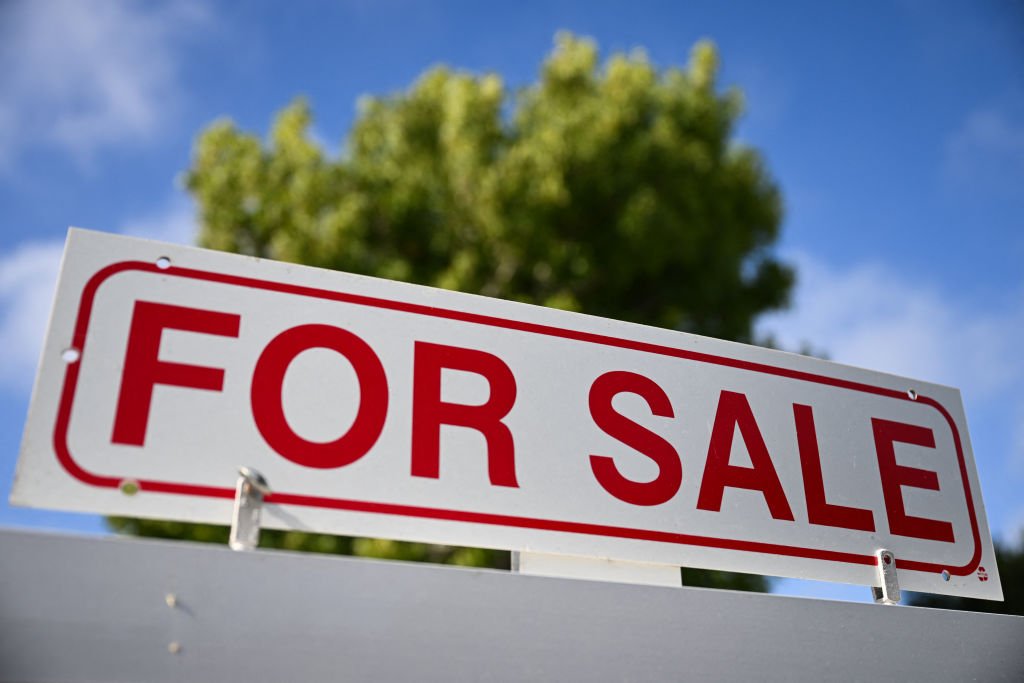
The American dream of homeownership has long been treated as an unquestioned financial virtue. But a growing body of evidence suggests that for most people, renting isn't just a viable alternative—it's often the smarter move.
Every year, millions of Americans make one of the biggest financial decisions of their lives based on a piece of folklore so deeply embedded in the culture that it's rarely challenged: "Renting is throwing your money away." Friends say it. Parents say it. The National Association of Realtors has spent billions in lobbying to cement it into the tax code and public consciousness. But the data simply don't support it.
The oft-cited statistic that homeowners have roughly 40 times the net worth of renters is true but deeply misleading. As statisticians would put it, this is a classic selection effect—a confusion of correlation with causation. People who can afford to buy a home typically have stable incomes, the discipline to save for a down payment, and good credit histories. Control for those factors, and the wealth gap between owners and renters collapses. The statistic describes a demographic profile, not a sound financial principle.
When you run the real numbers, including all costs, homeownership becomes far more expensive than most people realize. The average down payment runs between $60,000 and $100,000—money that earns no interest. Add annual property taxes (about 0.9% of home value), maintenance (1% to 3% per year), insurance (around $2,500 annually), and closing costs (up to $20,000). When you sell, real estate commissions and fees can eat another 10% of the home's value. For a $500,000 home, the conservative annual cost is about $20,000—before paying any mortgage interest or principal.
Researchers at Florida Atlantic University, Florida International University, and the University of Wyoming ran decades of market data comparing renting and investing the savings versus owning. Their finding: In most American markets, homeownership underperforms renting and investing—and that's on average, not in edge cases. Property values do appreciate, but not enough to keep up with a diversified portfolio. And for most people, a home is a jarringly undiversified investment; if you couldn't live in it, its returns would have to be enormous to justify the risk.
The best argument for buying might be psychological: a mortgage forces savings, while a brokerage account doesn't. For millions of Americans, a paid-off home is their only meaningful asset at retirement, just as automatic 401(k) deductions are the only way many save. In some situations—if you plan to stay put for a long time, and depending on your tax situation and local rental market—buying can make sense. But the default assumption in the U.S. has it backwards. We treat buying as obviously correct and renting as something requiring an embarrassed explanation at dinner parties. The evidence suggests the opposite: Buying requires a specific, local, time-sensitive case. The burden of proof should be on the deed, not the lease.
And no, you are not throwing money away on rent. You are paying for housing, just as a homeowner does. The difference is that renters' property taxes and maintenance are built into the rent; they typically only need a deposit of one month's rent, not a massive down payment that sits idle for years; and they avoid all those commissions, fees, and transfer taxes that everyone forgets to mention when they talk about homeownership. The realtor lobby and people selling homes have spent 50 years and extraordinary resources to make you believe otherwise. The data tell a different story.
For those following the broader political and policy landscape, the debate over housing affordability intersects with other pressing issues. For instance, a working-class tax cut bill has gained bipartisan support amid the affordability crisis, and Senator Collins crossed party lines to support a probe of insurer denials. Meanwhile, Trump's second term has transformed the White House into an unprecedented money machine, and Iran has pledged support for Oman after Trump's threat to 'blow 'em up' over the Strait.