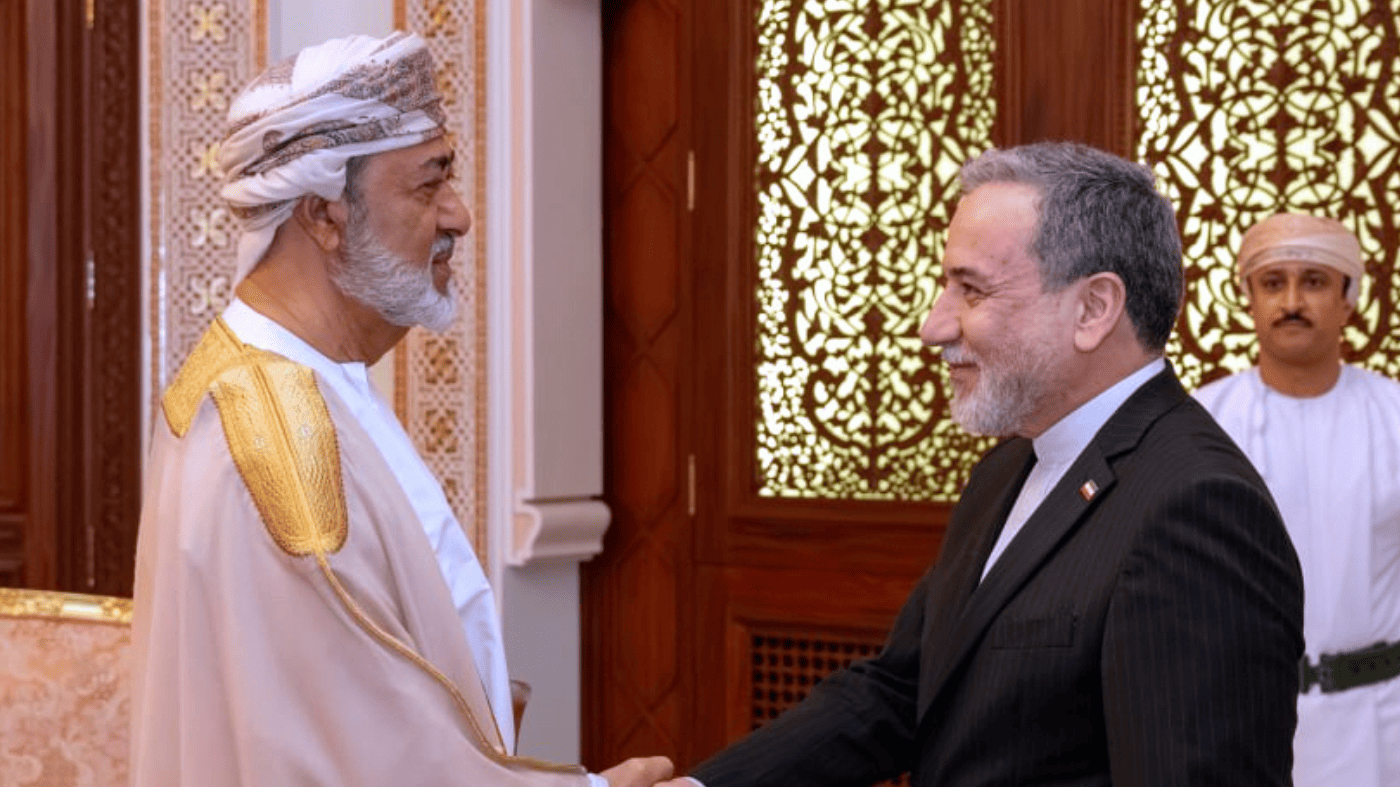
Iran reaffirmed its backing for Oman on Thursday, responding to President Trump's blunt warning that the Gulf nation must 'behave' or risk military action over the strategic Strait of Hormuz. Foreign Ministry spokesperson Esmail Baghaei issued a statement vowing Tehran's support for its neighbor, which lies just across the waterway, against what he called American threats, according to Reuters. Baghaei also condemned recent U.S. strikes on the southern Iranian port city of Bandar Abbas.
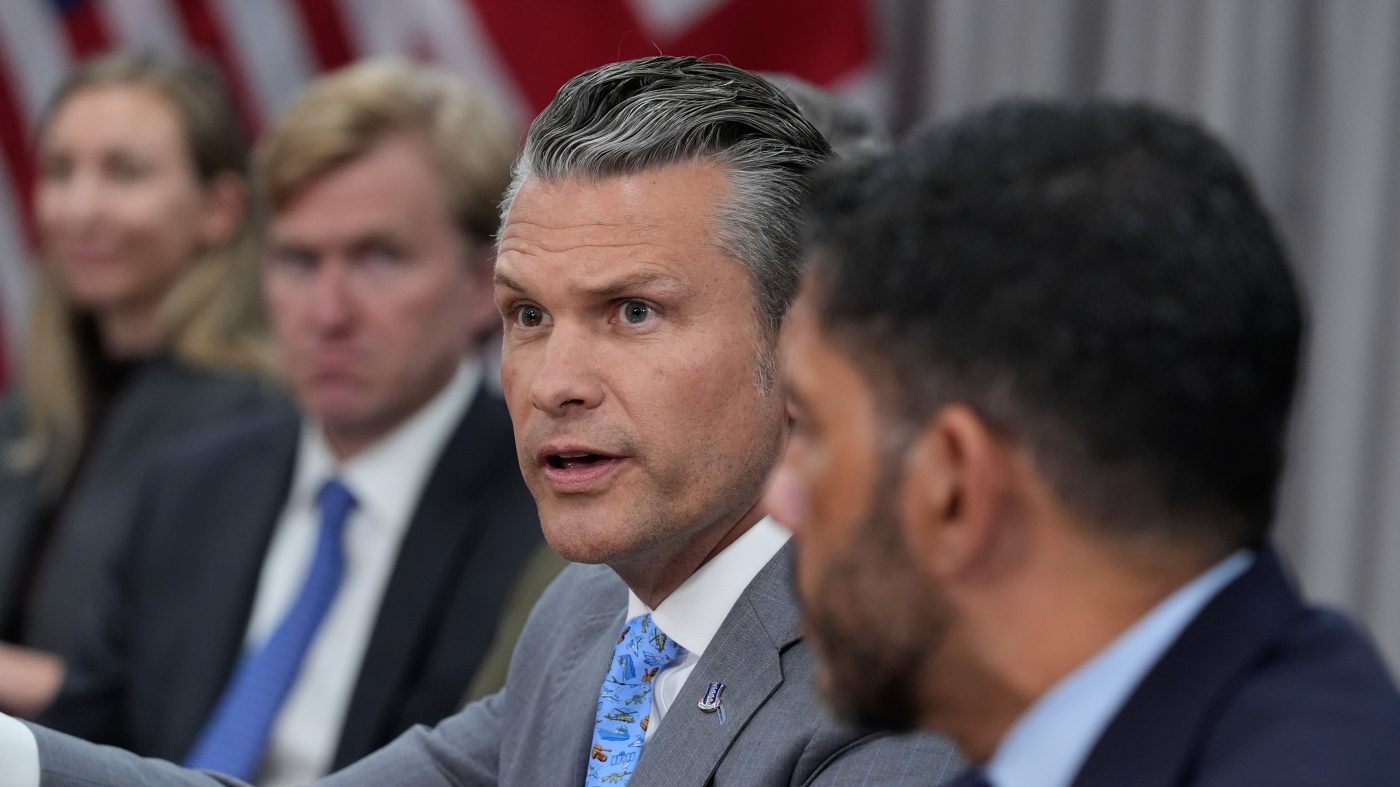
The friction erupted Wednesday during a Cabinet meeting, when a reporter asked Trump whether he would accept a deal granting Oman control over the Strait of Hormuz—a chokepoint for roughly one-fifth of global oil shipments. The president dismissed the idea outright, insisting the strait must remain open as international waters. 'No, the strait's got to be open to everybody; it's international waters,' Trump told reporters. 'We'll watch over it, but nobody's going to control it.' He then escalated: 'And Oman will behave just like everybody else, or we'll have to blow 'em up. They understand that. They'll be fine.'
The State Department amplified the president's remarks, sharing video of the exchange on its official X account and reiterating his stance. The confrontation comes after reports that Washington and Tehran were nearing a peace deal to end the nearly three-month conflict in the Middle East and reopen the Strait of Hormuz, which has been effectively closed since the war began in late February.
Iranian state media published a draft memorandum of understanding Wednesday outlining a potential agreement, but the White House swiftly denied its authenticity. 'This report from Iranian controlled media is not true and the MOU they 'released' is a complete fabrication. Nobody should believe what Iranian state media is putting out. FACTS MATTER,' the White House rapid response team posted on X.
Signs of a possible accord emerged over the weekend, when Trump confirmed he had spoken with several regional leaders. A senior U.S. official said Sunday that the MOU would give Washington 60 days to finalize a deal and required Iran to 'give up the nuclear dust,' a reference to enriched uranium. But the fragile ceasefire unraveled Monday evening after the U.S. launched strikes on military targets in southern Iran. Tehran threatened retaliation against American bases in neighboring countries and accused Washington of violating the truce.
Late Wednesday, the Pentagon reported that U.S. forces intercepted and shot down four Iranian one-way attack drones and struck their ground control station in Bandar Abbas. The military action underscores the volatility of the region as Trump's mixed signals continue to leave negotiations in limbo, with the threat of broader war looming.
The Strait of Hormuz remains a flashpoint, with Iran and Oman sharing its shores. Tehran's support for Muscat signals its determination to counter U.S. pressure, while Trump's threat to 'blow 'em up' reflects his administration's hardline posture. As the conflict drags on, the path to peace appears increasingly uncertain.