The Trump administration's long-sought auction of oil drilling rights in Alaska's Arctic National Wildlife Refuge on Friday drew minimal interest, with only two bidders picking up a handful of tracts. The lease sale, a milestone for Republican energy policy, netted roughly $3.7 million, half of which will go to the state of Alaska.
Of the approximately 60 tracts put up for lease, just five received bids. The sole bidders were HEX Energy and the Alaska Industrial Development and Export Authority, a state-owned entity. The tepid response underscores the limited corporate appetite for drilling in the ecologically sensitive region, despite years of political battles to open it up.

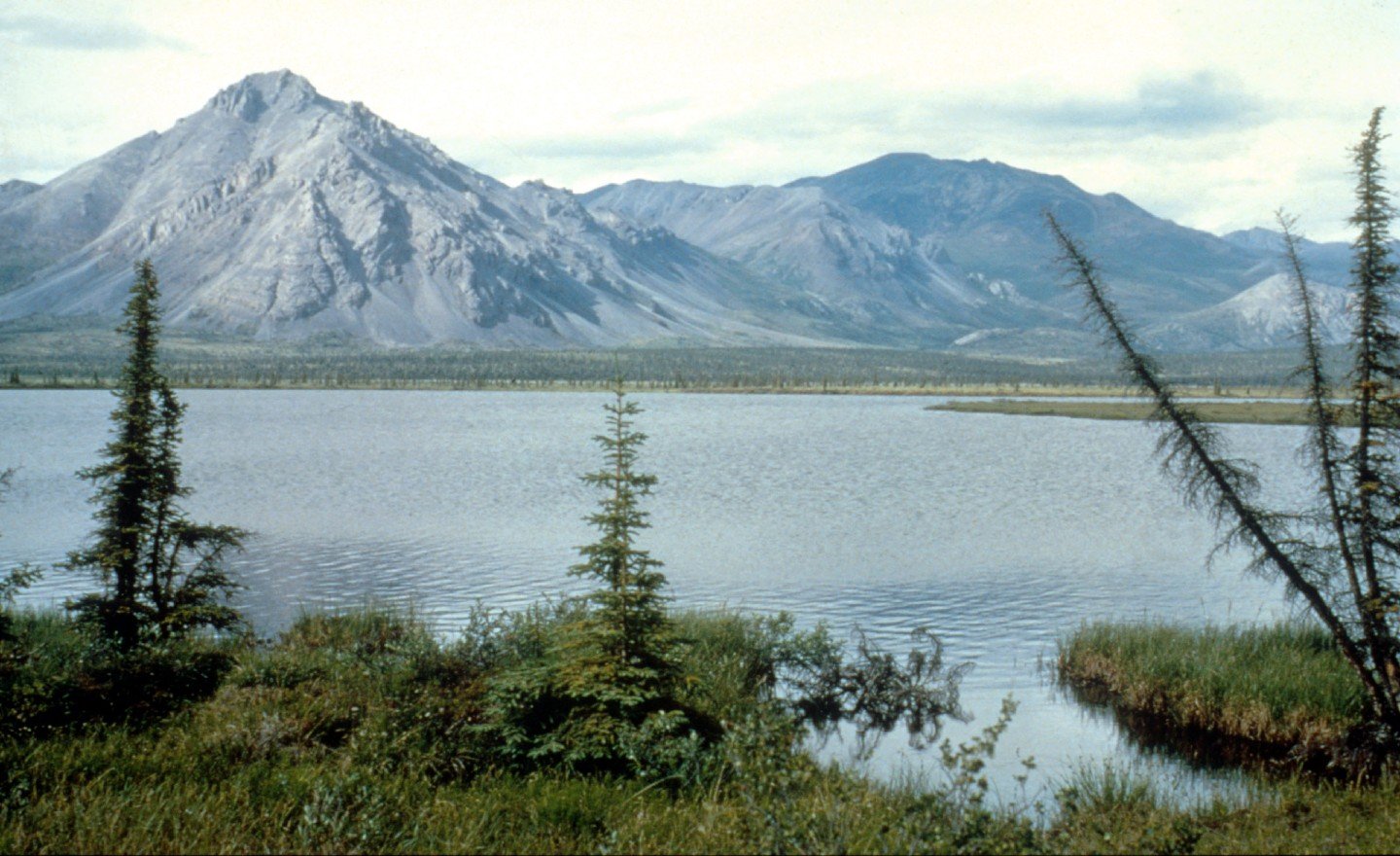
The Arctic refuge, located in Alaska's northeast corner and covering an area roughly the size of South Carolina, is home to a rich array of wildlife, including polar bears, caribou, wolves, wolverines, and over 200 bird species. It sits on the traditional lands of the Iñupiat and Gwich'in peoples.
Friday's auction advances a Republican goal that dates back decades, but the small number of bids reflects ongoing uncertainty about oil prices, regulatory hurdles, and the political risks tied to the controversial site. Proponents argue drilling could boost local economies and national energy security, while opponents contend it threatens a pristine ecosystem and is unnecessary given current oil supplies.
The limited interest comes amid broader bipartisan backlash stalling Trump's agenda on multiple fronts, including energy policy. Environmental groups have vowed to challenge the lease sale in court, adding further uncertainty for any potential developers.
Critics also point to the modest revenue generated by the auction, which pales in comparison to the costs of infrastructure development needed to extract oil in such a remote area. Supporters, however, view the sale as a symbolic victory that could pave the way for more extensive drilling in the future.
The auction's outcome may also influence the debate over other energy initiatives, such as the president's push to shrink intelligence agencies and redirect federal focus toward domestic resource development. For now, the sparse bidding suggests that corporate America is not rushing to drill in one of the nation's most contentious energy frontiers.