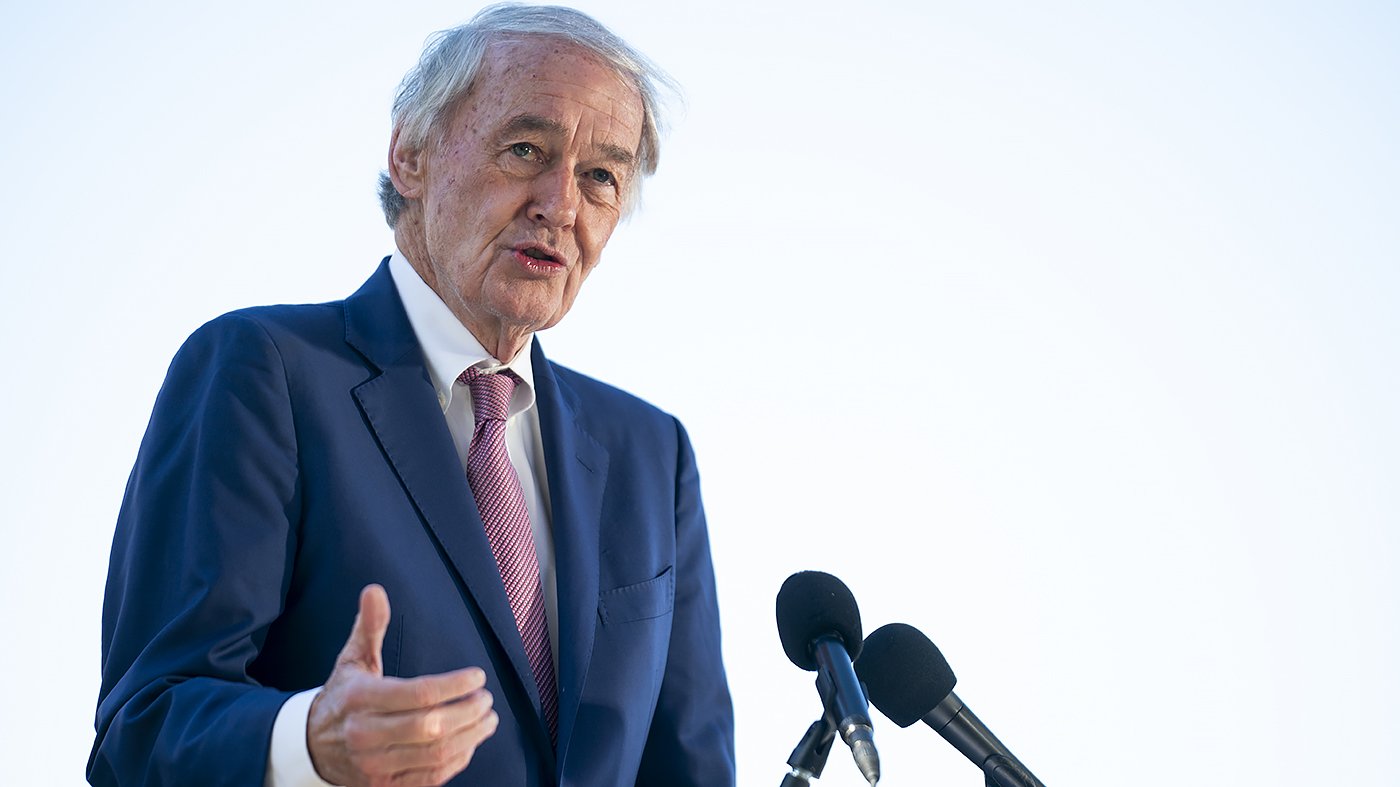
Senator Ed Markey, a Massachusetts Democrat, delivered a scathing assessment of the Trump administration's foreign policy during a public forum on Tuesday, directly linking its actions in the Strait of Hormuz to what he termed an "energy apocalypse" affecting global markets.
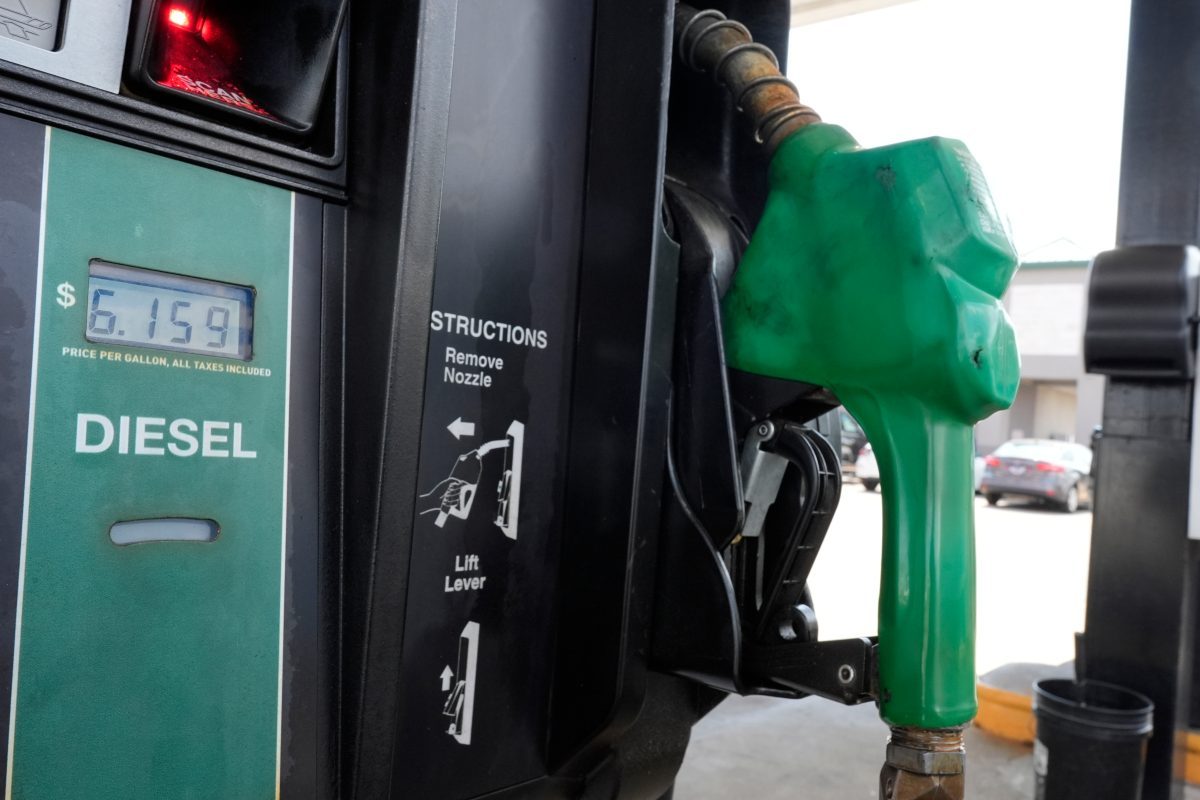
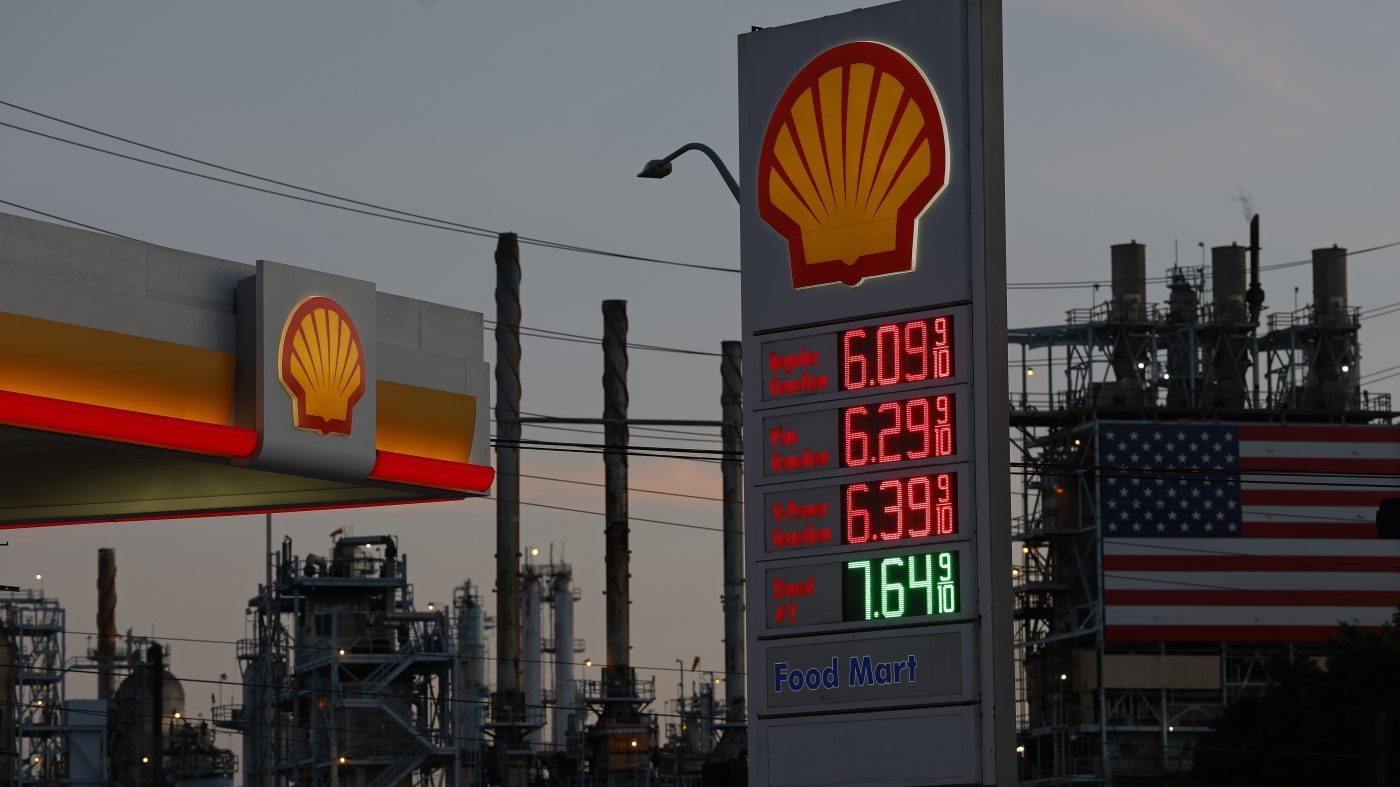
Speaking at Politico's Health Care Summit, Markey argued that the administration's strategic decisions have severely disrupted the critical maritime chokepoint, through which approximately 20% of the world's daily oil consumption normally flows. The effective closure of the strait during the ongoing conflict with Iran has sent shockwaves through energy markets, contributing to sharply rising fuel costs worldwide.
"The administration has a monumental problem on its hands," Markey stated. "They have manufactured an energy catastrophe in the Strait of Hormuz that is reverberating across every sector of the economy."
Market Impact and Political Timing
The financial data underscores the senator's claims. On Tuesday, international benchmark Brent crude oil traded near $100 per barrel, while U.S. West Texas Intermediate hovered around $90. These elevated prices come as the White House attempts to mitigate voter concerns about economic affordability ahead of the November midterm elections, where energy costs are expected to be a pivotal issue.
Markey, who serves on the Senate Committee on Environment and Public Works, further contended that this energy crisis is "inextricably linked" to what he described as a pre-existing "climate apocalypse." He accused President Trump of attempting to divert public attention from environmental threats while simultaneously exacerbating them through military engagement. "Trump is fundamentally trying to get people to forget about this threat, but he has ironically put it all into play because of his invasion of Iran," Markey said. "All these energy and climate issues are converging into a single narrative that will become increasingly problematic for Republicans this election season."
White House Response and Broader Context
The administration has publicly downplayed the economic concerns. Last month, President Trump dismissed a reported increase in the U.S. inflation rate, which analysts attribute largely to soaring energy prices. Addressing a crowd in Nevada, the president characterized the situation as "some fake inflation because of the fuel" and suggested the public should "see what happens over the next week or so."
Trump connected the administration's response directly to the upcoming elections, telling supporters, "You know, I think you're going to be very impressed. And if you are, vote for the Republicans in the midterms." This stance occurs alongside other significant administration initiatives, including a historic defense budget request and consideration of emergency financial measures for regional allies like the UAE.
The political ramifications extend beyond energy policy. The administration's approach to the Iran conflict and its economic fallout is unfolding as House Democrats prepare to address a ceasefire deadline and as the president supports a Senate GOP effort to nullify his prior impeachment. These moves highlight the interconnected nature of foreign policy, economic stability, and domestic political maneuvering in an election year.
Markey's critique places the Strait of Hormuz crisis at the center of a potent political argument: that national security decisions have direct and severe consequences for household economics. As global oil prices remain volatile and the U.S. naval presence continues in the region, the administration's ability to stabilize energy markets may significantly influence voter sentiment in the months ahead.