The Trump administration has submitted a $1.5 trillion defense budget request for fiscal year 2027, marking what would be the largest single-year percentage increase in military spending since World War II. The proposal represents a 42 percent surge from the previous year's baseline request and establishes a new "presidential priorities" category allocating $750 billion to specific initiatives.
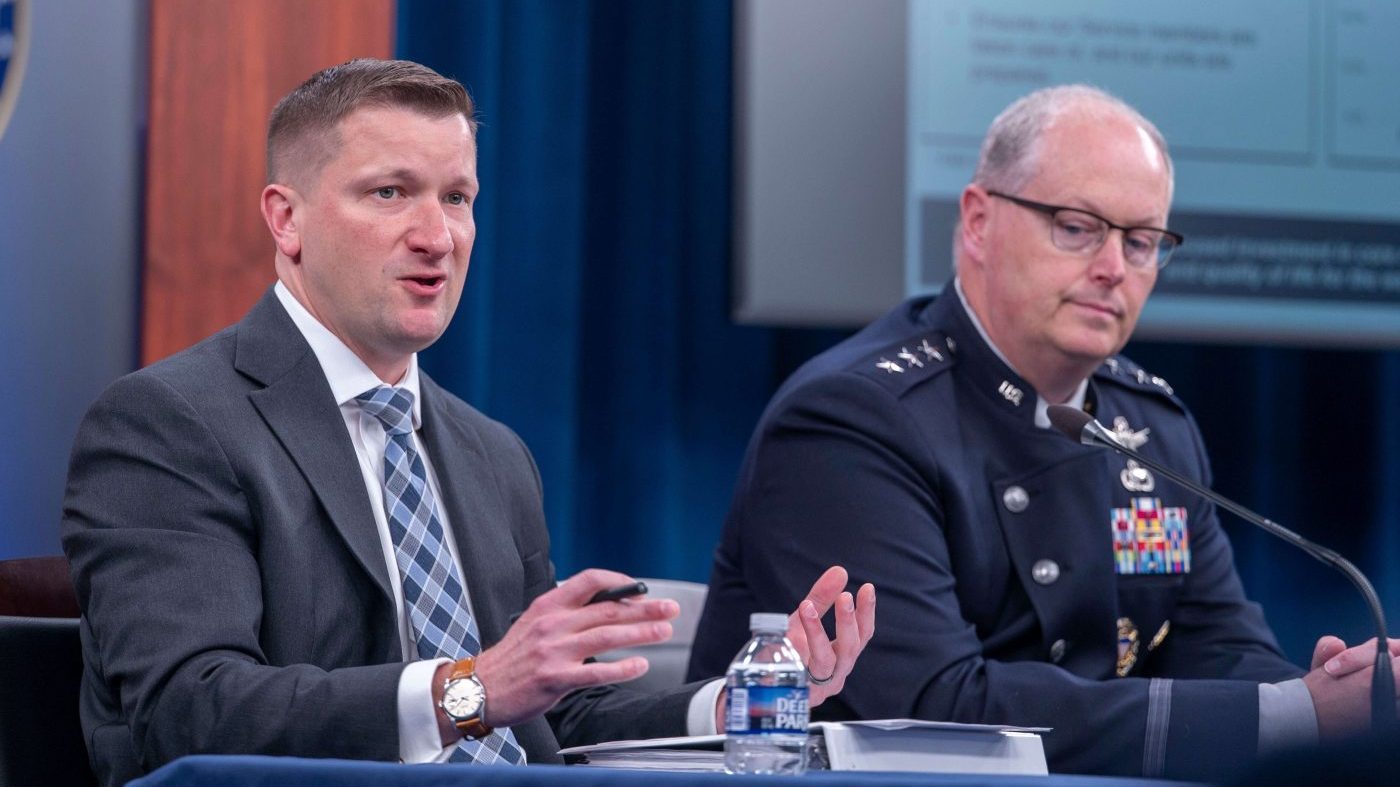
"This budget will be the largest investment in military capabilities in over a generation," said Jules 'Jay' Hurst, the acting Pentagon comptroller, during a briefing with reporters. "It steers our homeland and military advantage through investments in the Golden Dome missile defense system, drone dominance and space superiority."
Major Program Investments
The request includes substantial funding increases across multiple domains. Space Force funding would nearly double, while spending on drone and counter-drone capabilities would triple. The proposal allocates $102 billion for aircraft procurement and research, including plans to purchase 85 F-35 aircraft annually and develop next-generation systems like the F-47 fighter and B-21 bomber.
Naval expansion forms another cornerstone, with $65 billion designated to build 18 warships and 16 support vessels as part of the Pentagon's "Golden Fleet" initiative. The administration hopes to achieve its total figure by proposing $350 billion through the reconciliation process and allocating the remaining $1.15 trillion in the base defense budget of the upcoming National Defense Authorization Act.
Personnel and Industrial Base
Service members would receive significant pay increases under the proposal, with junior enlisted personnel slated for a 7 percent raise, their superiors receiving 6 percent, and top ranks getting 5 percent. The Pentagon also aims to expand the force by 44,000 additional personnel, following the addition of more than 20,000 in fiscal 2026.
Defense officials plan to extend multi-year munitions contracts to seven years to "provide stability and incentivize long-term investment across the supply chain," according to Hurst. The budget also includes $2.3 billion to sustain border operations and troops at the southern border.
Controversial Increases
One request likely to draw congressional scrutiny is $54.6 billion for the Defense Autonomous Warfare Group (DAWG), which received just $226 million last year. This represents the biggest single year-over-year increase of any program in the request and risks repeating costly procurement errors from past weapons programs. Most of these funds would target research and development.
The budget notably excludes funding for the ongoing conflict with Iran, as it was formulated before hostilities began on February 28. Hurst acknowledged the Pentagon doesn't yet know the cost to repair U.S. bases damaged in the Middle East during the conflict. "We might change how we build bases in the Middle East based on this conflict," he told reporters.
Broader Budget Context
The administration is expected to request between $80 billion and $100 billion in supplemental funding for Iran operations separately. This massive defense request comes as the White House faces questions about fiscal sustainability, with some analysts suggesting the plan could undermine trade war ambitions through persistent deficits.
The proposal arrives amid other significant defense policy shifts, including the recent elimination of mandatory flu vaccinations for military personnel. It also follows recent congressional hearings where Army leadership changes dominated discussions about defense spending and munitions.
With a two-week ceasefire with Tehran set to expire Wednesday and the president signaling no interest in extension, the budget request highlights the administration's dual focus on immediate conflict needs and long-term technological dominance, even as Congress prepares for what will likely be contentious appropriations battles.