The White House has submitted its fiscal year 2027 budget proposal to Congress, outlining a blueprint that prioritizes substantial increases for defense and border security while imposing cuts across other domestic agencies. The document reveals the administration's continued reliance on deficit spending, projecting annual shortfalls that would extend well into the next decade.
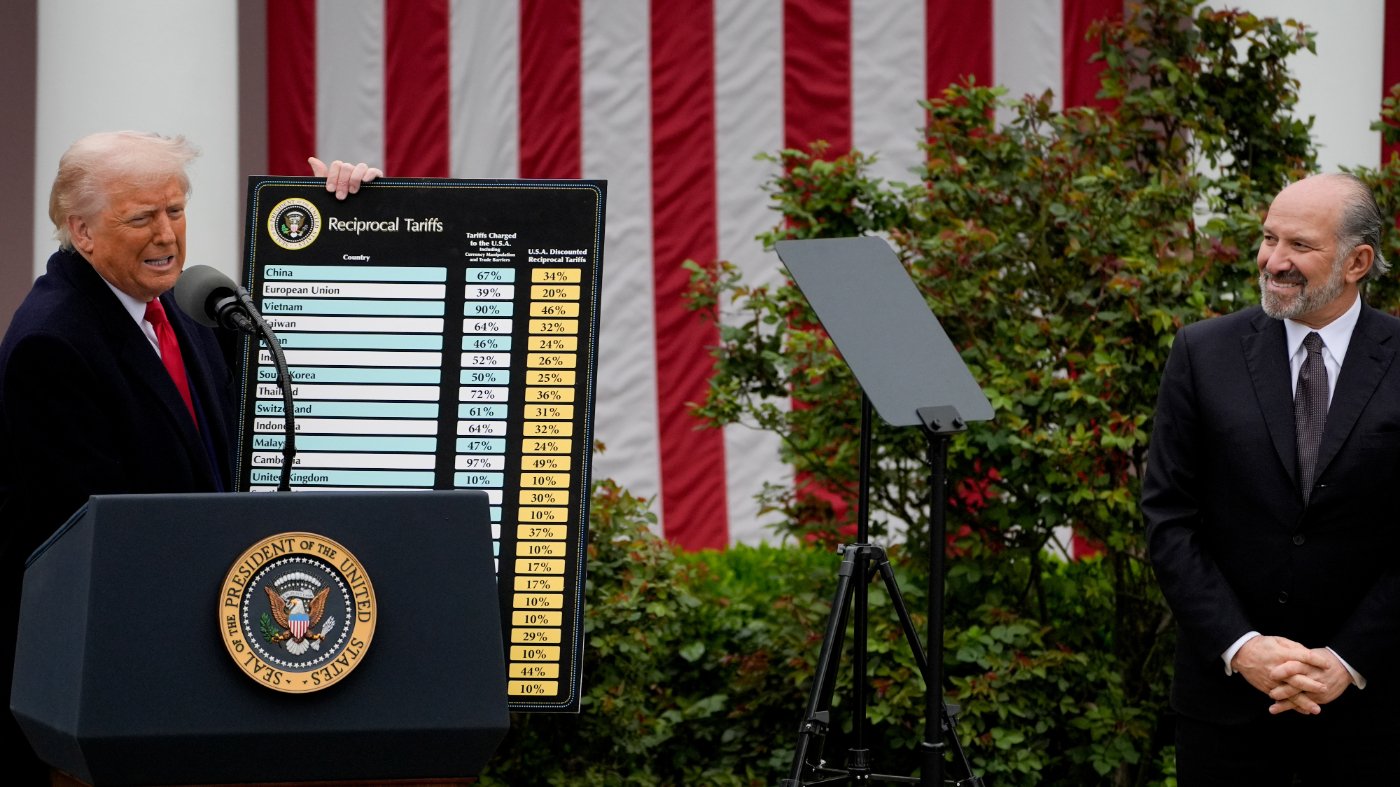
This fiscal approach directly conflicts with President Trump's core economic nationalism. For years, Trump has framed the U.S. trade deficit—where the nation imports more than it exports—as a fundamental "rip-off" by foreign partners. His prescribed remedy has been aggressive tariffs, most notably marked by his self-proclaimed "liberation day" in April 2025, when he declared a break from free trade orthodoxy. However, as analysis by the Committee for a Responsible Federal Budget indicates, the new budget would lock in deficit spending through at least 2036, even using the administration's optimistic growth forecasts of over 3% annually.

"If the U.S. trade deficit is the enemy, then deficit spending must be as well," the analysis suggests. The budget itself avoids direct deficit projections, but external calculations show the annual gap hovering around $2 trillion for most of the late 2020s before declining to $1.3 trillion by 2036. This persistent government borrowing necessitates foreign capital, which inherently sustains the very trade imbalances Trump's tariffs are designed to eliminate.
The economic dynamic is straightforward: the United States, a high-consumption, low-saving society, consumes more than it produces. To fund both government deficits and consumer demand, the nation relies on foreign lenders, like China, who purchase U.S. Treasury bonds. These same trading partners then export goods to American consumers, perpetuating the trade gap. Trump's tariff-centric policy, much of which remains in place despite shifts in his foreign policy approach, cannot resolve this equation while deficit spending continues.
The budget's release timing underscored the contradiction. A day before its publication, the White House celebrated the anniversary of "liberation day," stating Trump had "thrown away the illusions of 'free trade' to finally put Americans and America First." Yet the subsequent budget document commits to the very fiscal practices that make a balanced trade account impossible.
This comes amid a dire long-term fiscal outlook. The U.S. debt has been downgraded by all three major credit rating agencies, and soaring interest costs now rival annual defense spending. As Cato Institute analyst Romina Boccia notes, "Looking ahead, the federal government's largest obligations—Social Security, Medicare, Medicaid, and interest on the debt—are projected to consume all federal revenues within little more than a decade." The administration has simultaneously pursued other contentious policies, including a push to privatize the TSA within this budget, signaling a broader restructuring of federal responsibilities.
The fundamental tension exposes a central flaw in the "America First" economic platform. One cannot simultaneously borrow heavily from abroad while blaming foreign nations for trade deficits funded by that same borrowing. The nation's fiscal trajectory, not its trade policy, presents the more urgent crisis. Past deficit-reduction efforts have shown progress is possible, but the current proposal abandons that discipline.
Ultimately, the 2027 budget request signals that Trump's celebrated trade war is fiscally self-defeating. Without a concerted effort to control government spending and increase national savings, the tariffs become merely symbolic taxes on consumers, failing to achieve their stated strategic goal. The administration's focus appears split, as seen in other areas like veterans' health initiatives, while the foundational economic math remains unresolved.