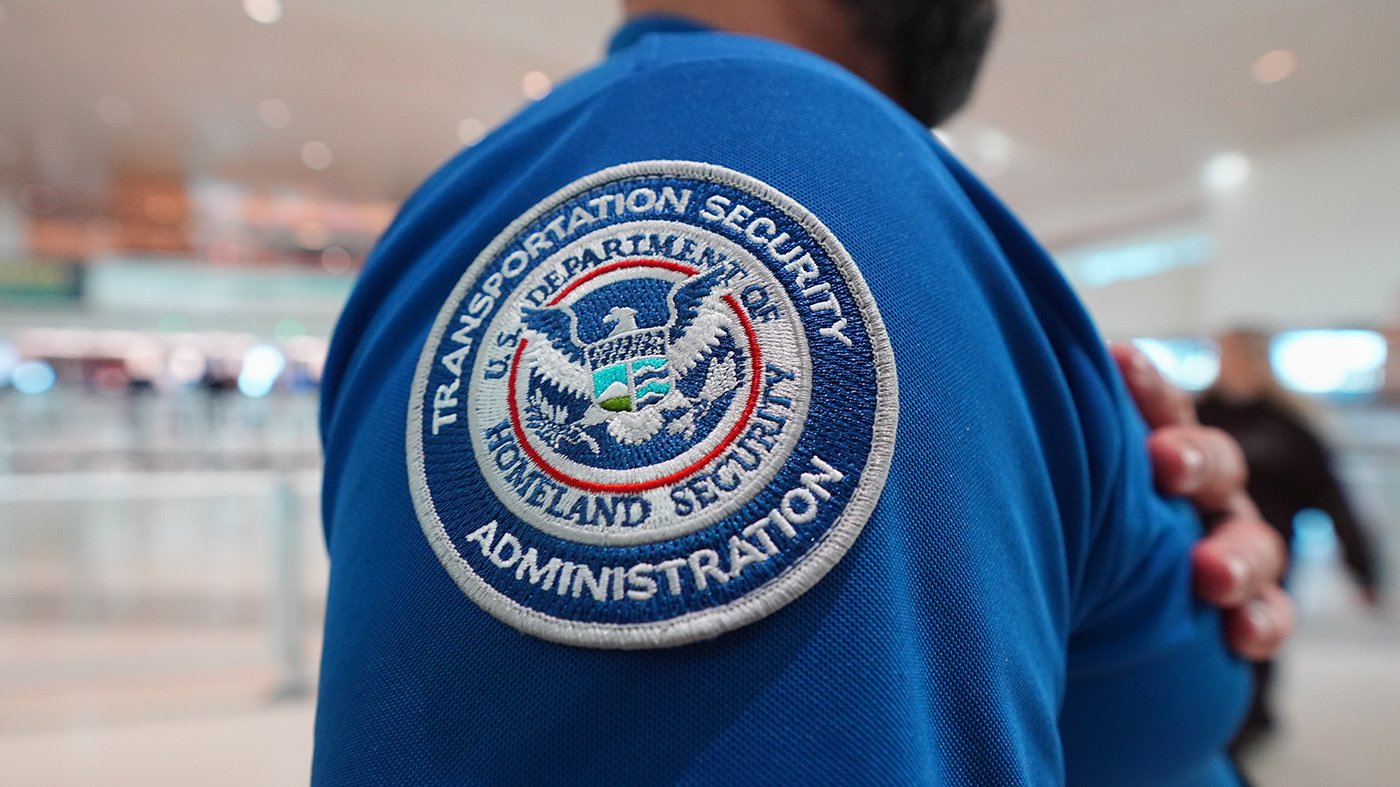
A renewed push to privatize airport security screening is gaining momentum in Washington, fueled by recent operational disruptions and a White House budget proposal that would significantly expand the use of private contractors. The debate pits claims of greater efficiency and cost savings against warnings of compromised security and higher costs for travelers.
Budget Proposal Mandates Expansion
The administration's fiscal 2027 budget request calls on Congress to mandate the use of private screeners under the Screening Partnership Program (SPP) at approximately 250 small airports. The White House estimates this transition would save taxpayers more than $50 million, though that figure represents less than half a percent of the TSA's total $11 billion-plus annual budget.
This proposal arrives as the TSA grapples with persistent challenges, including funding instability that has delayed worker pay. Acting TSA Administrator Ha Nguyen McNeill highlighted this contrast during recent congressional testimony, noting that while federal screeners have missed paychecks, SPP contractors have maintained regular payroll.
The Political Fault Lines
The privatization push has exposed sharp divisions. Some lawmakers view the SPP model—in place at nearly two dozen airports since 2004, including San Francisco International—as a pragmatic solution to bureaucratic inertia. Others echo the blunt assessment of Rep. Nikki Budzinski (D-Ill.), who recently labeled the initiative "a scam" that would ultimately transfer costs from taxpayers to consumers.
The debate also intersects with broader political agendas. The proposal follows a separate budget plan from former President Trump that sought deep TSA workforce cuts to accelerate privatization, indicating the issue's persistence across administrations.
Security and Labor Opposition
The most forceful opposition comes from labor and security advocates. The American Federation of Government Employees, which represents most TSA officers, argues that privatization would dangerously undermine security standards. The union points to the pre-9/11 era of privately contracted screeners, characterized by high turnover—often exceeding 100% annually at major hubs—and poverty-level wages as low as six dollars an hour, which they contend created systemic vulnerabilities.
Proponents counter that federal oversight remains intact. By law, SPP screeners must comply with all TSA security protocols and operate under the agency's direct supervision, theoretically maintaining a uniform security standard across public and private operations.
Broader Context of Transportation Security
The TSA debate unfolds against a backdrop of heightened focus on airport and transportation security. Recent incidents, such as a runway incursion in Charlotte and the clearing of a border laser system after disrupting El Paso airport operations, keep systemic risks in the spotlight. These events amplify scrutiny on any proposed structural changes to security apparatus.
The outcome of this policy fight will hinge on congressional appropriations and the political weight given to competing claims about cost, efficiency, and the fundamental model of national security. With the budget process underway, the future structure of the nation's airport security workforce is now a live and contentious political issue.