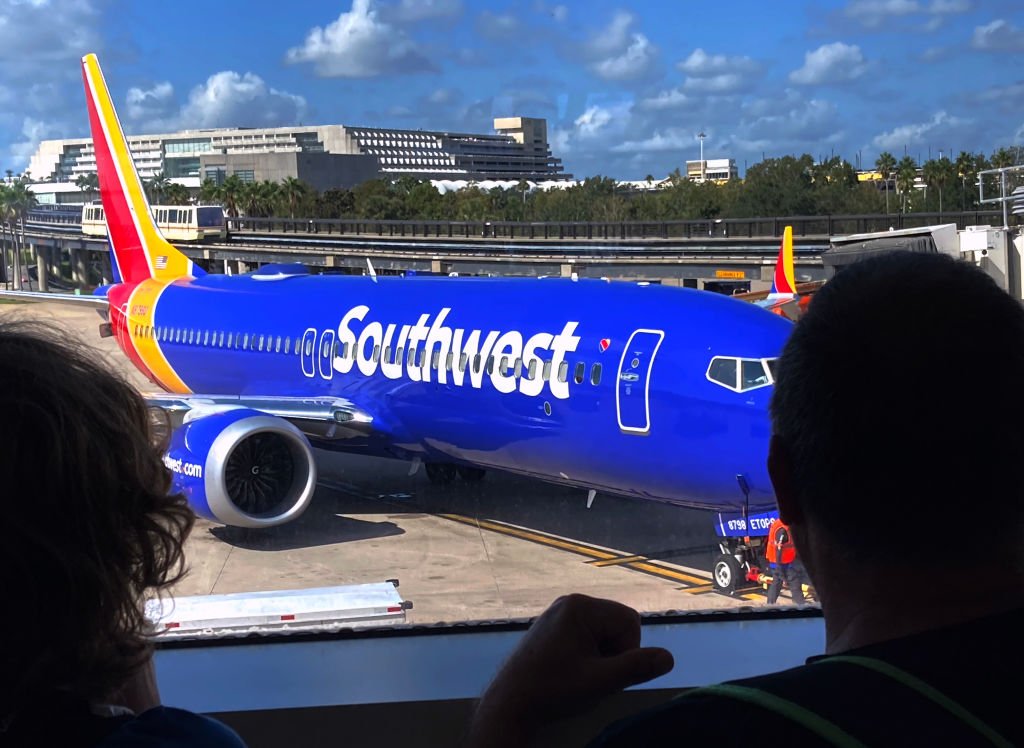
Southwest Airlines is scaling back elements of its recently updated seating policy for plus-size travelers, just months after the changes sparked backlash from passenger advocacy groups. The airline introduced the policy on January 27, requiring customers who need extra space to purchase a second ticket before boarding—a departure from its earlier, more flexible approach.
Under the original policy, passengers could request an additional seat at the gate at no extra cost, or buy two tickets upfront and later seek a refund for one. The new rules mandated that customers of size buy a second seat and pay any applicable seat fees ahead of time, with refunds only possible under strict conditions: both seats had to be in the same fare class, the refund request had to be filed within 90 days of travel, and the flight had to depart with at least one unsold seat remaining.

Now, Southwest has quietly walked back a portion of that policy, though the airline has not publicly detailed the exact changes. Advocacy group FlyersRights.org, which has been vocal in its criticism, says the modification is insufficient. The group argues that the refund conditions remain cumbersome and that the policy still penalizes plus-size passengers unfairly, especially compared to the airline’s previous practice.
The shift comes as airlines face increased scrutiny over how they accommodate passengers with disabilities or special needs. In recent months, other carriers like Hawaiian Airlines have also adjusted their service models, with Hawaiian scrapping free main cabin meals in favor of a prepaid menu—a move that similarly drew ire from frequent flyers.
Southwest’s decision to backpedal may reflect broader pressure on the industry to balance operational efficiency with equitable treatment. Critics contend that requiring plus-size passengers to purchase an extra seat before boarding creates unnecessary financial and logistical hurdles, particularly for those who may not know until arrival whether an extra seat is available.
“This partial reversal feels more like a public relations gesture than a genuine policy fix,” said a spokesperson for FlyersRights.org. “Southwest should return to its earlier approach, where customers could get an extra seat at the gate without upfront payment, unless a flight is full.”
The airline has not indicated whether it plans further revisions. Meanwhile, passenger advocacy groups continue to push for stronger protections, pointing to ongoing debates in Washington over airline consumer rights. As Southwest navigates this controversy, the episode underscores the delicate balance airlines must strike between revenue management and customer satisfaction.