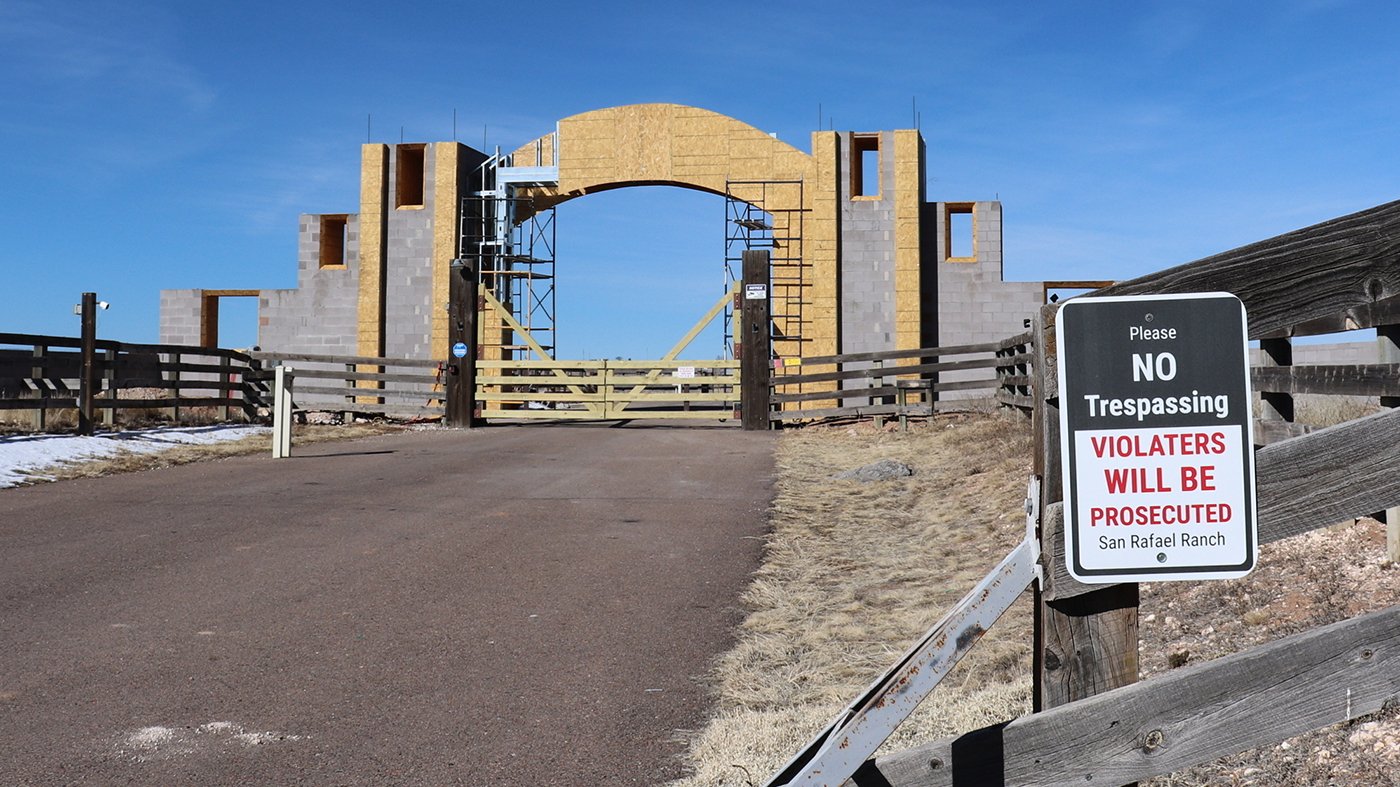
A bipartisan special committee of New Mexico lawmakers, established to investigate convicted sex offender Jeffrey Epstein’s sprawling Zorro Ranch near Santa Fe, took its first formal step Monday by issuing subpoenas to 14 entities. The New Mexico Truth Commission, as it’s called, is targeting agencies and financial institutions that intersected with Epstein’s operations, signaling a widening probe into potential institutional failures that allowed his activities to persist for years.
Subpoenas Target Key Players
The subpoenas are directed at organizations that previously investigated Epstein, including the Federal Bureau of Investigation and the New Mexico Department of Justice. Additionally, the commission is demanding records from Deutsche Bank and JPMorgan Chase, both of which had financial ties to Epstein, as well as the Santa Fe Institute, a nonprofit research center that received Epstein’s financial backing. None of these entities immediately responded to requests for comment.
According to commission members, any evidence uncovered that points to criminal conduct will be forwarded to the appropriate law enforcement agencies, whether in New Mexico or elsewhere. The panel’s stated goal is to compile “a complete documented record” of allegations related to sex trafficking and other misconduct connected to Epstein’s operations in the state, as well as to identify any systemic lapses that enabled him to evade accountability.
Lawmakers Vow Transparency
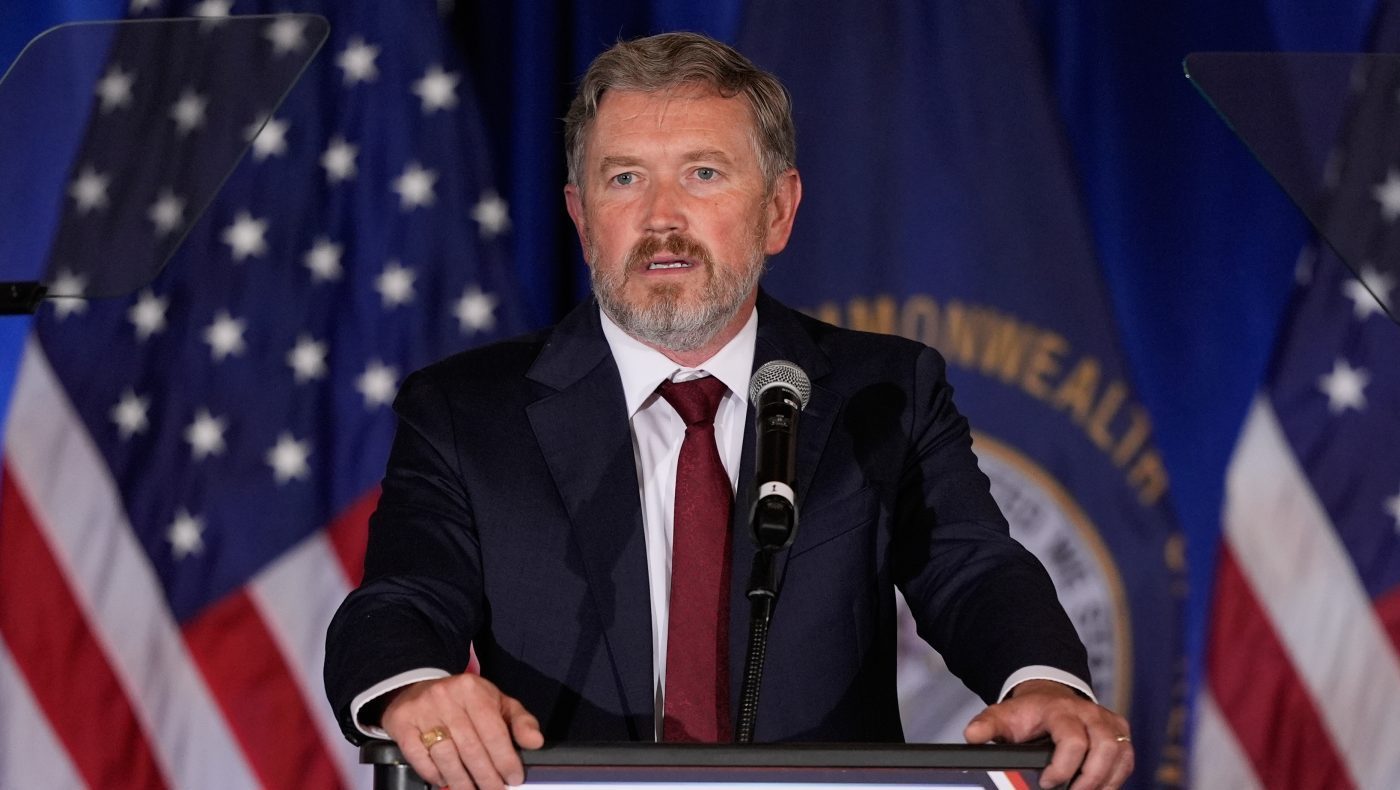
“We will name what happened, we will name who was responsible and we will do so with the evidentiary regard that survivors deserve and that the law requires,” state Rep. Andrea Reeb, a Republican and one of four lawmakers on the commission, said during a meeting at the New Mexico State Capitol. The commission’s bipartisan makeup—including both Republicans and Democrats—reflects a rare moment of unity in an increasingly polarized political climate, reminiscent of efforts like the bipartisan push by veterans in Congress to bridge divides.
The renewed scrutiny of Epstein’s New Mexico ties comes after authorities earlier this year reopened their investigation into alleged illegal activities at the Zorro Ranch, located about 30 miles from Santa Fe. Law enforcement has also probed reports that two bodies may be buried in the hills near the property, though no confirmed findings have been made public.
State Attorney General Urges Victims to Come Forward
New Mexico Attorney General Raúl Torrez, a Democrat, has actively encouraged Epstein survivors to share their accounts as part of his office’s parallel investigation into the ranch. This push for victim testimony aligns with broader national efforts to hold enablers accountable, a topic that has resurfaced in recent congressional hearings. For instance, survivors have expressed skepticism about whether officials like former Attorney General Pam Bondi will deliver concrete answers during House hearings on the Epstein files.
The commission’s work also echoes the ongoing debate over transparency in high-profile cases, as seen in the finger-pointing between Bondi and former Trump attorney Evan Blanche over the handling of Epstein-related documents. The New Mexico panel’s subpoenas, however, mark a more direct legal approach, leveraging state authority to compel testimony and records.
Looking Ahead
As the Truth Commission moves forward, its findings could have implications beyond New Mexico, potentially exposing networks of complicity that stretched across financial, scientific, and law enforcement sectors. For now, the subpoenas serve as a clear signal that lawmakers are determined to pursue accountability, no matter how powerful the institutions involved.