Once upon a time, the University of Wisconsin-Madison offered courses in Virgil, Cicero, calculus, and constitutional law. In 2026, students there can study video games through feminist, queer, and ecocritical lenses. This shift from classical education to pop culture is not a fringe phenomenon—it's a systemic trend that critics say reveals a deeper crisis in higher education.
The Proliferation of Pop Culture Courses
Oregon State University offers “Disney: Gender, Race, and Empire.” Indiana University has “Having it All: Postfeminist Media After Sex and the City.” Yale University teaches “Bad Bunny: Musical Aesthetics and Politics,” a course also offered at Wellesley College and Loyola Marymount University. Swarthmore College and the University of Chicago both have courses on “Queering God.”

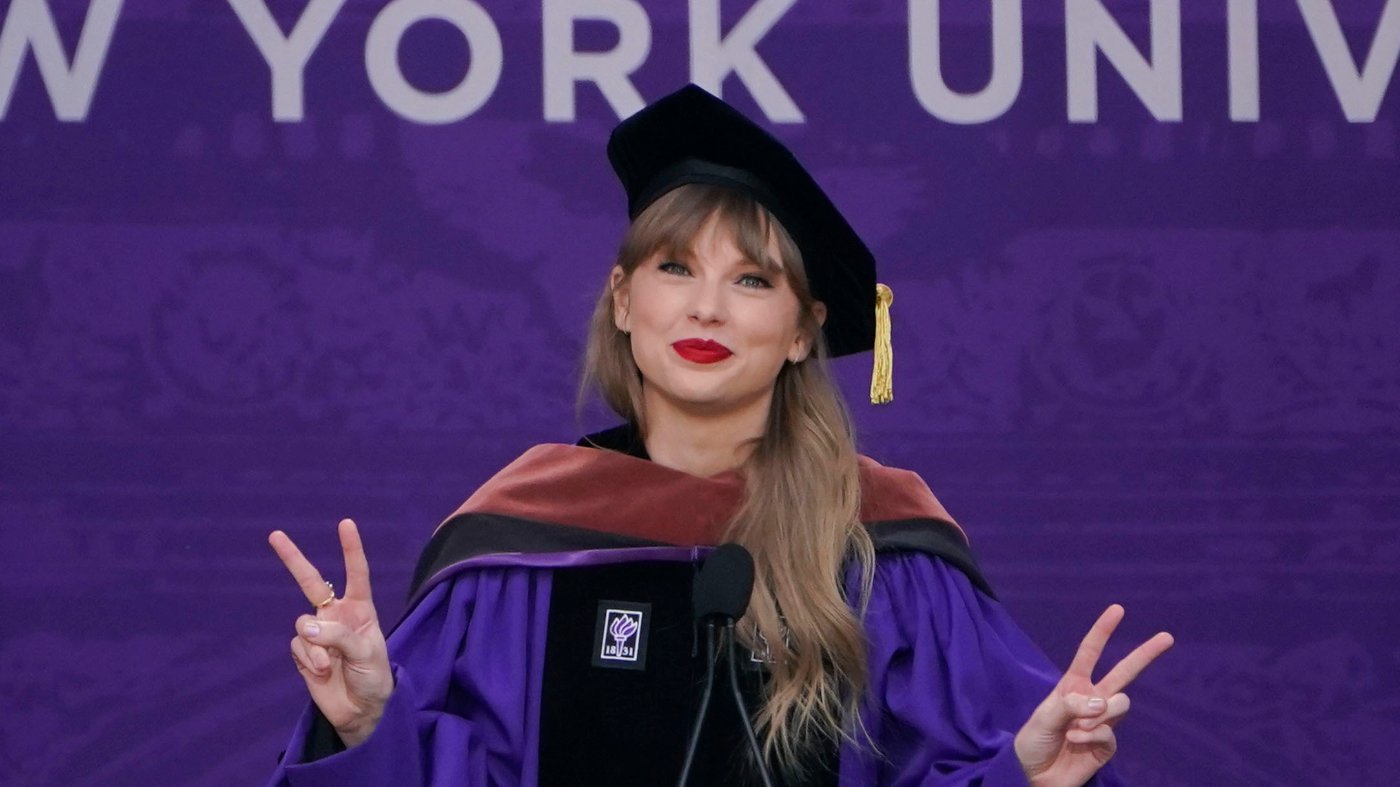
Humanities departments nationwide are filled with courses like “Feminism and the Bible,” “Queer Pop Culture,” and “Transgender Politics.” Critics once joked about underwater basket-weaving; now students can build entire curricula around Taylor Swift. Harvard offers “Taylor Swift and Her World,” UC Berkeley’s Haas School of Business has “Artistry, Policy, and Entrepreneurship: Taylor’s Version,” and Penn State Berks offers “Taylor Swift, Gender, and Communication.”
K-Pop is another popular subject: Columbia University has “Lights, Camera, Action: The Visual Culture of K-Pop,” Binghamton University offers “K-Pop and Human Rights,” Stanford teaches “Kangnam Style: K-Pop and the Globalization of Korean Soft Power,” and Florida International University offers “K-Pop and J-Pop Culture.” That last course costs out-of-state students $1,980.57 for three credits—a price tag that economist Matt Damon might call an $8 Spotify subscription.
What These Courses Displace
The real problem isn't just the cost; it's what these courses replace. Universities have a finite window to teach students, and every hour spent on Bad Bunny’s aesthetics is an hour not spent on American constitutional development or advanced science. Classical courses force students to confront ideas beyond their immediate interests, to grapple with different times, cultures, and belief systems. Pop culture courses, by contrast, reinforce existing preferences and one-sided attachments to celebrities and products.
Employers consistently complain that new graduates can’t write properly, don’t take criticism, and lack work ethic. A student who can analyze Swift’s entrepreneurship but can’t write a five-paragraph essay is entertained, not educated. This trend is part of a broader shift where universities resemble four-year summer camps rather than institutions of higher learning.
The rise of pop culture courses also mirrors the therapy culture reshaping American politics, where comfort and identity validation often trump rigorous debate. Meanwhile, as Mike Rowe touts high-paying trade jobs, the value of a college degree is increasingly questioned.
These courses reflect a fundamental loss of purpose. Universities were once places to pursue truth, beauty, ethics, and the divine. Now, they too often offer participation diplomas. Students—and society—deserve better.