A growing number of Americans no longer see political disagreement as a normal part of democratic life. Instead, they interpret it as psychological harm. Ordinary conflict is now routinely described using language once reserved for trauma, abuse, and crisis. People don't just disagree with opponents anymore; they say they feel 'unsafe,' 'triggered,' or emotionally damaged by exposure to opposing views.
This shift has real-world consequences. Family members cut ties over politics. Friends stop speaking. Therapists appear on national television encouraging people to distance themselves from those who think differently. Increasingly, Americans approach ordinary human conflict through the lens of emotional injury rather than resilience, tolerance, or coexistence.

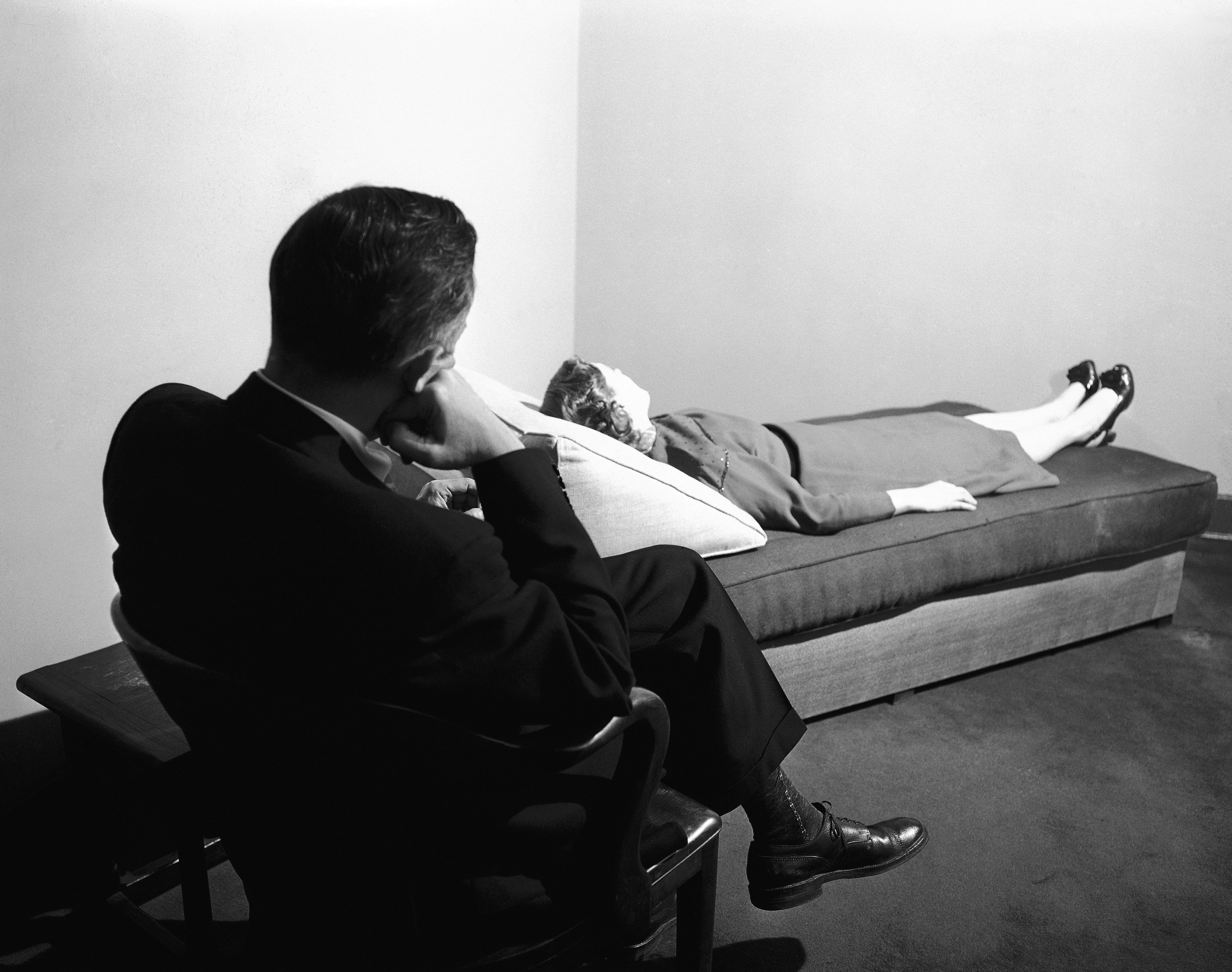
In his forthcoming book 'Therapy Nation,' psychotherapist Jonathan Alpert argues that this change did not emerge in a vacuum. It reflects the growing influence of therapy culture far beyond the therapist's office and into everyday American life. Americans now spend nearly $300 billion per year on mental health care, yet they are more anxious, more medicated, and less able to tolerate everyday stress than ever before. At the same time, the country has become more polarized, more reactive, and less capable of handling disagreement. That is not merely happening alongside our mental health culture; in many ways, it is connected to it.
Over time, therapy language has reshaped how many people interpret discomfort, conflict, responsibility, and even identity itself. Terms such as 'triggered,' 'unsafe,' 'boundaries,' and 'trauma' were once clinical concepts intended to help people better understand serious psychological distress. Today, they are used to justify avoidance, shut down difficult conversations, and frame ordinary discomfort as evidence of harm.
Alpert sees this shift clearly in his clinical work. Patients arrive not just with problems but with fully formed explanations for them. They fluently describe their attachment styles, triggers, childhood wounds, and emotional injuries. Often, these explanations are reinforced by social media, online therapy culture, and sometimes even previous treatment itself. But insight alone is not the same thing as growth. Many people have become highly skilled at explaining themselves, even as they become less capable of tolerating frustration, uncertainty, or emotional discomfort.
When people consistently avoid discomfort rather than confront it, their tolerance for stress weakens. Ordinary setbacks begin to feel catastrophic. The world itself does not necessarily become harsher. Rather, people become less psychologically equipped to handle it. The incentives within parts of the mental health system quietly reinforce this dynamic. Validation is easier than challenge. Agreement is more comfortable than confrontation. A therapist who pushes too hard risks losing a patient. But when therapy becomes primarily about affirming patients' feelings rather than expanding their resilience, it can unintentionally train people to remain emotionally dependent on validation itself.
That mindset spills directly into public life. Political disagreement is interpreted as something psychologically damaging. Opponents are not merely wrong; they are 'toxic,' 'dangerous,' or emotionally unsafe. Discomfort becomes evidence of victimization. Moral certainty replaces curiosity. And once people begin interpreting disagreement through a therapeutic framework of harm and emotional safety, compromise itself starts to feel psychologically threatening. This is how a clinical shift becomes a cultural and political one.
Democracy requires citizens to tolerate frustration, hear opposing views, coexist with people they dislike, and engage conflict without collapsing into emotional absolutism. But a culture organized around avoidance, validation, and psychological self-protection gradually loses those capacities. Thus, a society that loses its tolerance for discomfort becomes less capable of democratic life. This dynamic is evident in recent political events, such as the controversy over a White House-backed prayer rally that critics say blurred church-state lines, or the growing financial anxiety under current economic policies that has fueled partisan resentment.
None of this is an argument against therapy. Done well, therapy can be transformative. But good therapy does not simply validate distress. It helps people confront reality, tolerate difficult emotions, take responsibility, and build resilience in the face of adversity. The goal is not permanent self-protection but greater psychological strength and independence. Unfortunately, that version of therapy is becoming harder to find. If we are serious about improving mental health in this country, we need to ask harder questions about outcomes. Are people becoming more resilient or more dependent? Are they more capable of handling conflict or quicker to avoid it? Are relationships strengthening, or collapsing under the weight of diminishing tolerance for disagreement?
What makes this trend especially difficult to reverse is how convincing it feels from the inside. The language sounds thoughtful. The reasoning appears compassionate. And because it borrows the vocabulary of mental health, it carries a built-in moral authority. But psychological fluency is not the same thing as wisdom. The easier it becomes to reinterpret ordinary distress through therapeutic language, the easier it becomes to confuse justification with insight. If the result of our mental health culture is a population that feels increasingly fragile, reactive, emotionally dependent, and incapable of handling ordinary human conflict, then we are no longer dealing with merely a clinical problem. We are dealing with a cultural problem.