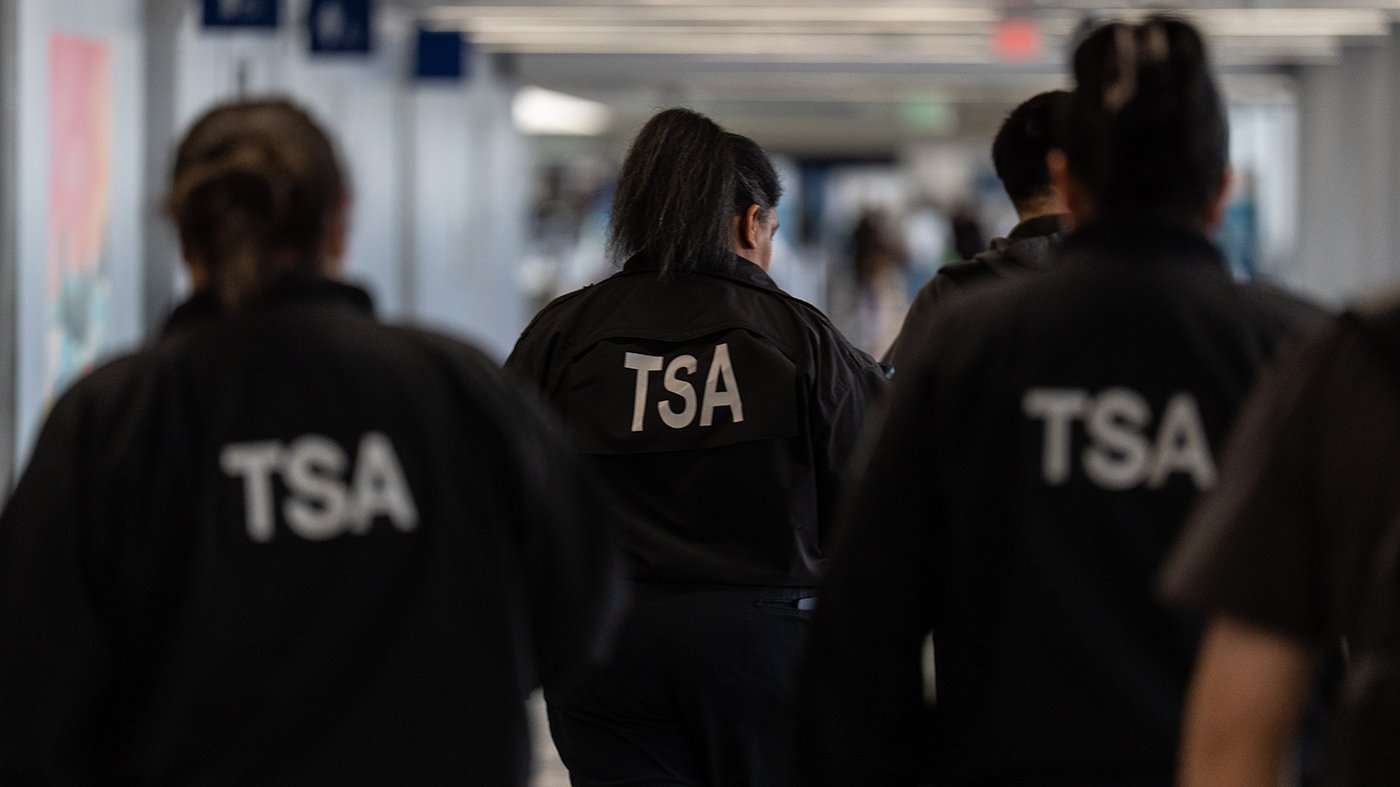
The Trump administration's Fiscal Year 2027 budget request includes a significant reduction in the Transportation Security Administration's federal workforce, proposing the elimination of over 8,000 positions as part of a renewed push to privatize passenger screening at airports nationwide. The plan would shift resources toward the Screening Partnership Program (SPP), which uses private contractors under TSA oversight.
Budget Details and Workforce Reshaping
The White House is requesting $11.7 billion for the TSA, which includes funding for 53,199 positions. This represents a cut of 8,385 positions and 9,439 full-time equivalent roles compared to the previous fiscal year's funding level. Specific reductions target 2,462 Transportation Security Officer (TSO) positions and 4,351 TSO full-time equivalents. A separate "workforce reshaping" initiative would eliminate another 1,347 positions.

To offset a proposed $529.3 million reduction in TSO personnel costs, the budget allocates an additional $477.3 million to expand the SPP. Administration officials argue this shift will yield cost savings while reforming what they describe as a troubled agency. A White House Office of Management and Budget spokesperson stated the contractor model has "worked well" at the nearly two dozen airports where it currently operates, delivering an "exceptional experience for travelers" under federal security standards.
The Privatization Debate Intensifies
Conservative policymakers have long advocated for outsourcing airport security, arguing private contractors can operate more efficiently and at lower cost. The Heritage Foundation's influential Project 2025 policy blueprint explicitly calls for privatizing the TSA, estimating potential savings of up to 20 percent. The recent partial government shutdown, which left TSA officers working without pay and caused operational strains, has given new urgency to these arguments. Proponents note that SPP airports, where workers are paid through pre-funded contracts, largely avoided the disruptions seen at federally-staffed hubs.
Critics, led by labor unions and many Democratic lawmakers, contend that privatizing security puts profit ahead of passenger safety. "I would not personally want to fly if I knew the whole entire system was privatized because it's just not safe for the American people," said Johnny Jones, a leader with the American Federation of Government Employees (AFGE), which represents most TSA workers. Jones characterized the push as an effort to "put profit before people and security," vowing the union would fight the proposal.
Broader Political Context
This budget initiative arrives amid a series of contentious national security and foreign policy moves by the administration. Recent developments, including a temporary halt to military action against Iran and controversial threats against Iranian infrastructure, have drawn scrutiny from Congress and allies. Some lawmakers have responded with legislative checks, such as a renewed push for war powers resolutions.
The administration's domestic policy agenda also continues to evolve, with political capital being expended on multiple fronts. The recent success of a Trump-endorsed candidate in a Georgia special election has bolstered the GOP's narrow House majority, potentially affecting the legislative viability of such budget proposals.
Despite the proposed cuts, the TSA's congressional justification document states the agency "will maintain all priority mission-critical positions to ensure operational effectiveness and mission continuity." The debate over the future of airport security is now set to play out in congressional appropriations committees, where the plan faces significant opposition from defenders of the federal workforce and skeptics of privatization's security implications.