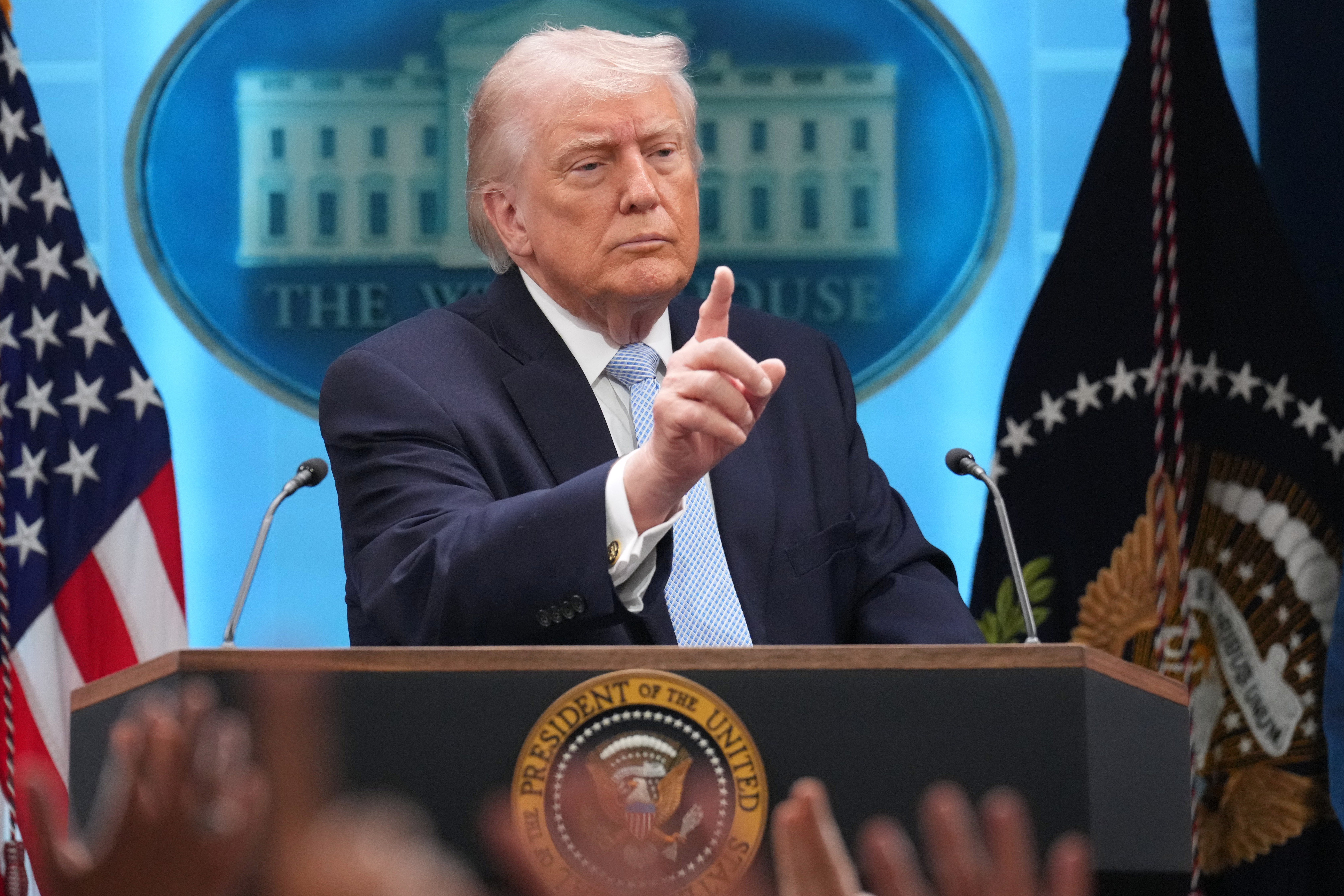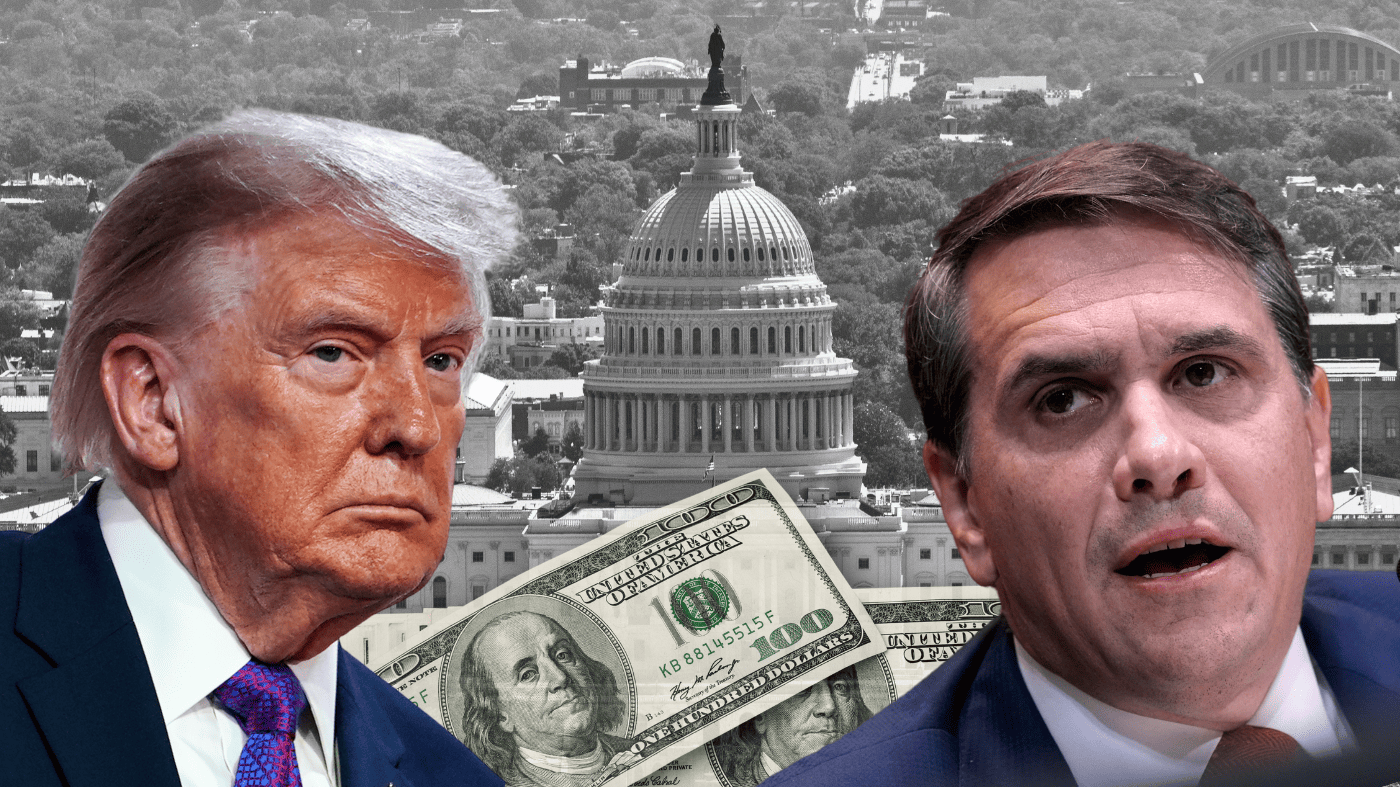
A controversial new fund established by the Justice Department this week has ignited a rare bipartisan firestorm on Capitol Hill, drawing sharp condemnation from both Republican and Democratic lawmakers. The so-called “anti-weaponization fund,” created as part of a settlement in President Trump’s $10 billion lawsuit against the IRS over leaked tax returns, is intended to provide apologies and financial compensation to individuals who claim they were unfairly targeted by the Trump administration.
Acting Attorney General Todd Blanche defended the fund, stating it would “issue formal apologies and monetary relief.” But the backlash was immediate. Rep. Brian Fitzpatrick (R-Pa.) vowed to “kill” the fund, joining forces with Rep. Tom Suozzi (D-N.Y.) to introduce legislation that would bar any federal dollars from being used for it. “Taxpayer dollars will not become a discretionary payout fund,” Fitzpatrick declared. “Transparency is not optional. Accountability is not negotiable.” The two lawmakers are set to appear on ABC News’s “This Week” on Sunday to discuss their bill.
Critics have raised alarms that the fund could be tapped to compensate rioters involved in the January 6, 2021 attack on the U.S. Capitol, many of whom still have pending lawsuits against the government. Two police officers who defended the Capitol that day—former U.S. Capitol Police officer Harry Dunn and D.C. Metropolitan Police officer Daniel Hodges—filed a lawsuit this week against the fund, arguing it sends the wrong message to “past and potential future perpetrators of violence.” They are also scheduled to appear on “This Week.”
The controversy comes as the president’s political machine continues to reshape the Republican Party. In a major primary upset in Kentucky, GOP Rep. Thomas Massie became the latest incumbent to lose to a Trump-backed challenger. Massie, in comments to MS NOW, warned that the president’s purge of perceived enemies within the GOP could erode the party’s base support ahead of the midterms. “I think it was dangerous to pare the tree tonight,” he said. “They got pruned, and we’ll see if there’s enough tree left there to win in November.”
Rep. Ro Khanna (D-Calif.), who co-led a bipartisan effort with Massie on the Epstein Files Transparency Act, blamed the loss on Massie’s willingness to take on powerful interests. “My good friend Thomas Massie lost tonight,” Khanna posted. “He lost because he had the guts to take on the Epstein class.” Both Khanna and Massie will appear on NBC News’s “Meet the Press” this Sunday.
Meanwhile, the president is also backing Texas Attorney General Ken Paxton (R) in his runoff against GOP Sen. John Cornyn, a move that has rattled the incumbent’s reelection campaign. Cornyn, who insists he will stay in the race, is slated to appear on NewsNation’s “The Hill Sunday.” The intra-party battles underscore the deepening fractures within the GOP as Trump consolidates control. For more on this dynamic, read our analysis on how Trump’s purge of GOP lawmakers is reshaping the party ahead of the midterms.
On the international front, Trump faces mounting pressure from Republicans to resume military action against Iran after rejecting multiple peace proposals. Secretary of State Marco Rubio reported “slight progress” in negotiations, but Senate Armed Services Committee Chair Roger Wicker (R-Miss.) warned against an “ill advised” deal. “We are at a moment that will define President Trump’s legacy,” Wicker wrote. “He is being ill advised to pursue a deal that would not be worth the paper it is written on.” Former CIA Director David Petraeus noted that the administration is in a “difficult position,” with Iran betting it can outlast the standoff as midterm elections loom.
Adding to the foreign policy turbulence, Trump told reporters this week that Cuba is “on our mind,” after his Justice Department indicted former Cuban President Raúl Castro for murder. Despite the arrival of the USS Nimitz in the Caribbean, Trump ruled out military escalation, saying “the place is falling apart.” Sen. Lindsey Graham (R-S.C.) claimed Cuban liberation is “close at hand,” though he has made similar predictions before. The U.S. oil blockade has left the island in darkness, with Cuban Energy Minister Vicente de la O Levy stating the country has “absolutely no fuel, absolutely no diesel.” Critics have warned that the indictment and rhetoric could serve as a pretext for invasion, as we explored in a recent report.
The week’s events have left lawmakers on both sides scrambling. With the anti-weaponization fund drawing comparisons to a “retribution fund,” as CNBC host Joe Kernen put it, and the president’s aggressive reshaping of his party, the political landscape is more volatile than ever. As the Sunday shows lineup suggests, the battles over the fund, the midterms, and foreign policy are far from over.